Onshore wind PPAs for UK businesses
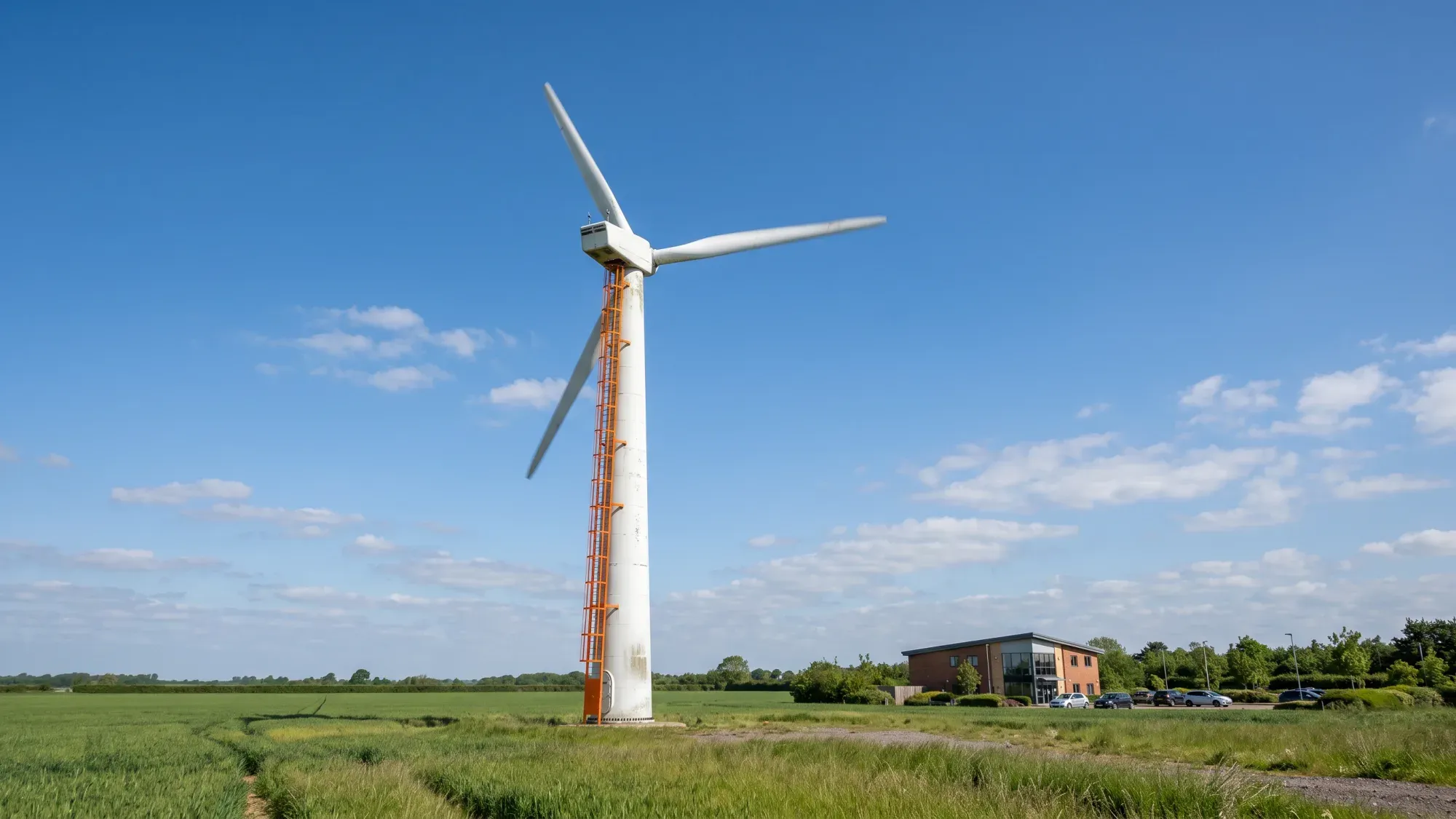
Many UK businesses are exploring onshore wind Power Purchase Agreements (PPAs) to manage fluctuating energy costs and achieve sustainability goals. These agreements offer a compelling route to stable, sustainable electricity. A recent example highlights this trend, with Egg Power, Liberty Global's clean energy infrastructure business, signing the UK's largest onshore wind PPA with Amazon. This significant deal involves Amazon purchasing 90MW of wind energy from the Chirmorie Wind Farm in South Ayrshire, Scotland, underscoring the increasing demand for renewables across the UK1. This article explores how UK businesses can understand and secure long-term, stable, and sustainable electricity supply from onshore wind projects via PPAs.
While businesses explore large-scale energy solutions like PPAs, homeowners can also take control of their energy. Fuse Energy offers 24/7 human customer support and aims to provide a modern energy experience designed around you. Click here to switch to Fuse Energy today.
Enter your address to get a quote and see how much you could save
Understanding UK onshore wind PPAs
The UK's energy landscape is evolving rapidly, driven by the dual imperatives of energy security and net-zero targets. Onshore wind, a proven and cost-effective technology, is at the forefront of this transition.
What is a PPA?
A PPA is a long-term contract between an electricity generator (such as an onshore wind farm developer) and a buyer (often a business or industrial client) for the sale and purchase of electricity. PPAs typically span several years, providing price certainty for the buyer and guaranteed revenue for the generator, which helps to finance the renewable energy project.
How do PPAs work for onshore wind farms in the UK?
For onshore wind farms in the UK, a PPA typically involves a business agreeing to purchase a specified volume of electricity directly from a wind farm at a pre-agreed price for a set period. This bypasses the traditional wholesale market, offering stability for both parties. The wind farm generates electricity, which is then fed into the National Grid. The business receives credits or a financial settlement based on the amount of power generated and the agreed PPA terms, effectively offsetting their grid consumption with certified renewable energy.
Benefits of onshore wind PPAs for UK businesses
Corporate PPAs, particularly with onshore wind, offer several advantages for UK businesses.
Price stability and cost savings
PPAs lock in electricity prices for the long term, shielding businesses from volatile wholesale energy market fluctuations. This allows for more predictable budgeting and financial planning. Onshore wind is one of the cheapest forms of new electricity generation in the UK, meaning securing power directly from a wind farm via a PPA can often lead to lower electricity costs compared to purchasing from the open market.
Enhancing sustainability credentials
By directly sourcing renewable energy, businesses can significantly reduce their carbon footprint and demonstrate a strong commitment to environmental responsibility. This enhances their brand reputation and helps meet ESG (Environmental, Social and Governance) targets. For many businesses, a PPA offers "additionality" - the assurance that their purchase directly contributes to the development of new renewable energy capacity, rather than simply buying existing green certificates.
Boosting energy security and independence
Direct agreements with generators can enhance a business's energy security by diversifying its supply sources and reducing reliance on fossil fuels. This contributes to greater energy independence and resilience against geopolitical or market disruptions.
Types of onshore wind PPA structures
PPAs can be structured in various ways to meet different business needs.
Physical (sleeved) PPAs
In this arrangement, the electricity generated by the wind farm is physically delivered to the buyer's site via the National Grid. A utility supplier "sleeves" the power, managing the balancing and transmission, and charges a fee for this service.
Virtual (synthetic or financial) PPAs
This is a financial contract where no physical electricity changes hands directly between the generator and the buyer. Instead, the buyer and generator agree on a fixed "strike price" for electricity. The generator sells its power into the wholesale market, and if the market price is above the strike price, the generator pays the difference to the buyer. If the market price is below the strike price, the buyer pays the difference to the generator. This provides financial hedging against price volatility.
On-site PPAs
Less common for large onshore wind farms due to their scale, but relevant for smaller projects, an on-site PPA involves a generator building and operating a wind turbine directly on the buyer's property. The business then purchases the electricity generated directly from the on-site asset.
The process of securing an onshore wind PPA
Securing an onshore wind PPA typically involves several key steps.
Initial assessment and market engagement
Businesses first evaluate their energy consumption patterns, sustainability goals, and risk appetite to determine the most suitable PPA structure and volume. This initial assessment helps in engaging with renewable energy developers, brokers, or consultants to identify potential wind farm projects and PPA opportunities.
Due diligence and negotiation
A thorough assessment of the wind farm project's viability, the developer's track record, and the financial terms of the proposed PPA is crucial. This leads to detailed negotiation of contract terms, including price, duration, volume, delivery mechanisms, and termination clauses.
Contract execution and ongoing management
Once terms are agreed, the PPA contract is formally signed, committing both parties to the long-term agreement. The final stage involves ongoing monitoring of energy generation, financial settlements, and compliance with PPA terms to ensure the agreement delivers its intended benefits.
Onshore wind PPAs versus contracts for difference (CfD)
The UK's Contracts for Difference (CfD) scheme provides a guaranteed price for renewable electricity generators, offering long-term revenue stability. Historically, CfDs have been the primary mechanism for supporting large-scale renewable projects.
Market competitiveness and project financing
The PPA market in the UK has been growing rapidly, with onshore wind PPAs becoming increasingly competitive with CfD prices, particularly for projects that can secure favourable terms. Some market analyses suggest that new onshore wind projects in England are now competitive with CfD prices, offering businesses an attractive alternative route to market for green energy.
Strategic considerations for businesses
While CfDs offer a stable revenue stream for generators, corporate PPAs provide businesses with direct access to renewable energy, greater control over their energy procurement, and the ability to meet specific sustainability targets. The flexibility and direct relationship offered by PPAs can make them a compelling option for businesses seeking bespoke energy solutions.
Fuse Energy's commitment to a renewable future
At Fuse Energy, we believe in delivering the abundant, clean energy the future requires. While our direct energy supply services are currently focused on residential customers, our mission is deeply rooted in the expansion of renewable energy generation.
Our role in clean energy generation
We are actively involved in building the infrastructure for a clean energy future, including projects like our Balnamoon wind site in Moray, UK, which contributes clean electricity to the grid. We are committed to rebuilding the energy system from scratch, aiming to deliver terawatt-hours of the cheapest, cleanest energy possible. Egg Power, for instance, aims to deliver over 1500MW of clean energy capacity by 2028, supported by a recent £400m non-recourse debt financing facility with NatWest, demonstrating the scale of investment needed in this sector.
Connecting businesses to our vision
For businesses seeking to understand the broader renewable energy landscape, Fuse Energy invites forward-thinking businesses to join our waitlist for future commercial offerings. For homeowners looking to transition to a smarter, more sustainable energy supply, Fuse Energy offers 24/7 human customer support and aims to provide a modern energy experience designed around you. Homeowners can experience the future of energy today.
Managing your home's energy bills should be clear and easy to understand. Fuse Energy focuses on providing a modern energy experience with 24/7 human support. If you have a smart meter, you can view detailed usage data through the app or website, helping you understand how you can lower your bills. Click here to switch to Fuse Energy today. Find out about our mission by clicking here.
References
Disclaimer
For the avoidance of doubt, this article is provided for informational purposes only and is not intended to constitute legal or financial advice. The author and/or Fuse Energy shall not be responsible for any losses arising out of any reliance on the information contained herein.