New UK oil and gas projects: a 'no-brainer'?
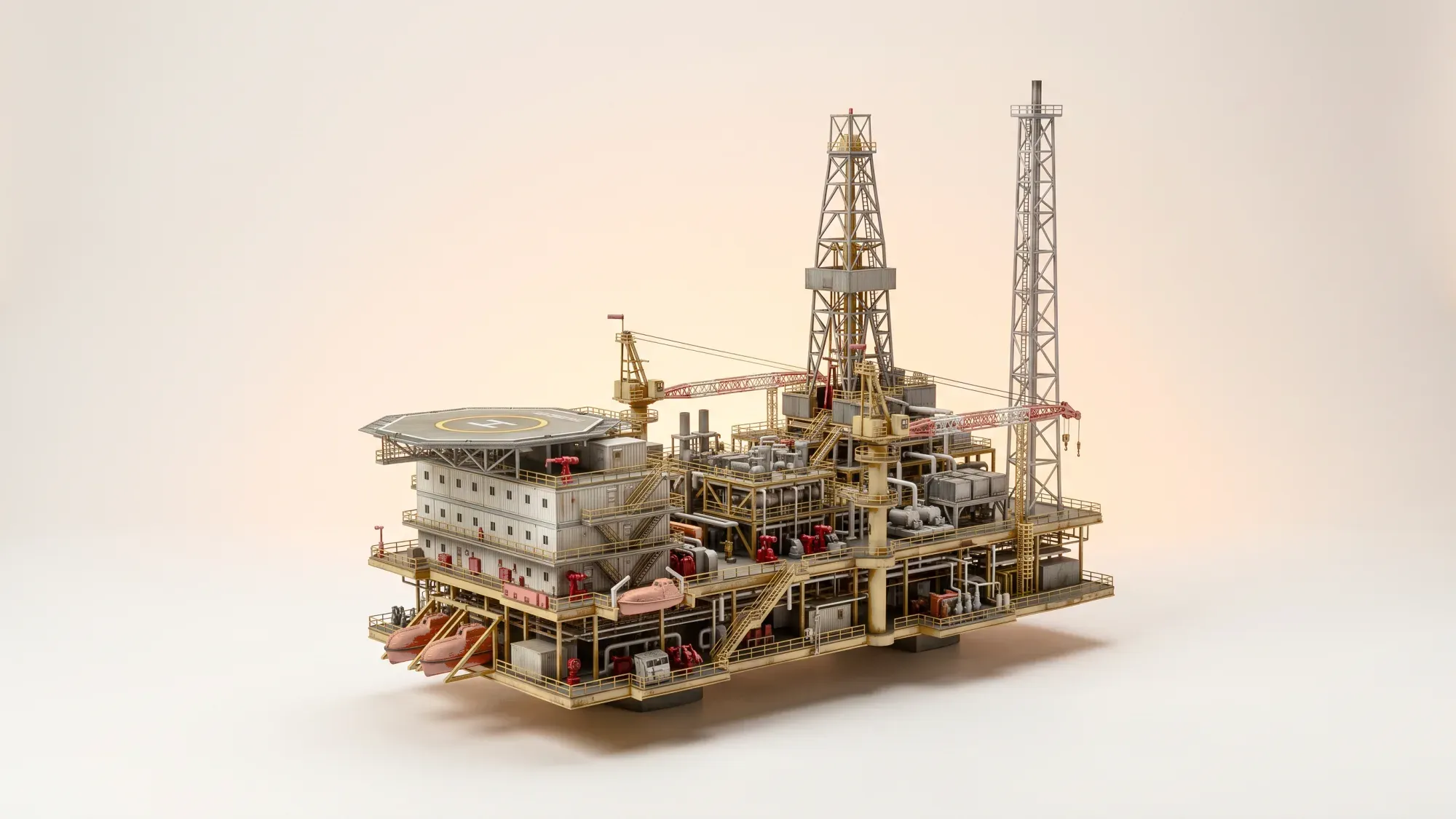
The UK's energy landscape is complex, balancing immediate needs with long-term climate goals. Simone Rossi, CEO of EDF Energy, has publicly described new UK oil and gas projects as a "no-brainer", arguing they do not conflict with net-zero targets.1 This stance, shared by some other renewables leaders and politicians, highlights the ongoing debate within the energy industry.
This article acknowledges the current debate around UK oil and gas projects and energy security, but pivots to Fuse Energy's core message of achieving energy abundance through clean, domestically produced electricity.
Fuse Energy is committed to building a future with abundant, clean electricity. We believe in rebuilding the energy system from scratch to deliver the cheapest, cleanest energy possible, moving beyond the scarcity mindset to one of energy abundance. Click here to switch to Fuse Energy today.
Enter your address to get a quote and see how much you could save
The UK's energy landscape and the 'no-brainer' argument
The UK faces a significant challenge in securing its energy supply while simultaneously pursuing ambitious climate targets. This balancing act has sparked considerable debate, particularly concerning the future of North Sea oil and gas projects.
Current energy dependency and security concerns
The UK remains heavily reliant on fossil fuels, which still account for nearly three-quarters of its primary energy use. Electricity makes up a smaller portion of total energy demand, though its efficiency means it will play a disproportionately large role as the system decarbonises. This dependency leaves the economy vulnerable to global supply disruptions and price volatility, as demonstrated by recent energy crises. Domestic production of oil and gas is often seen as beneficial for energy security, as it can reduce reliance on imports, which are more susceptible to geopolitical risks.
Simone Rossi's stance on domestic production
Simone Rossi, CEO of EDF Energy, has publicly championed new UK gas and oil projects, calling them a "no-brainer" that do not contradict the net-zero agenda. Rossi argues that it will take decades to transition away from fossil fuel dependency, and during this period, the UK should utilise its own resources rather than importing them. He suggests that locally produced fossil fuels have lower emissions than imports due to reduced transportation distances. Furthermore, Rossi highlights the economic benefits of domestic production, including job creation and increased government tax receipts that could support households.
Economic and environmental considerations
The arguments for new UK oil and gas projects often centre on economic benefits and a nuanced view of their environmental impact compared to imports.
Job creation and tax revenue
Proponents of North Sea projects emphasise their contribution to the UK economy. The offshore energy industry supports jobs and generates significant tax revenues. Rapid implementation of the Treasury's proposed Oil and Gas Price Mechanism (OGPM) could raise an additional £2.8 billion in direct taxes and £10.6 billion in payroll taxes over the next decade. The Rosebank project alone is expected to support around 2,000 jobs during its peak construction phase and approximately 525 UK-based jobs throughout its lifetime.
Emissions from domestic versus imported fossil fuels
A key part of Rossi's argument is that domestically produced fossil fuels have a lower carbon footprint than imports. This is because imported liquefied natural gas (LNG), for example, has roughly four times the carbon footprint of UK-produced gas before combustion, due to the emissions associated with its production and supply chain. While the majority of emissions occur when oil and gas are ultimately used, replacing domestic production with imports does not automatically reduce overall emissions and can even increase them if the imports are more carbon-intensive.
Navigating the net-zero target
The debate around new oil and gas projects is inextricably linked to the UK's legally binding net-zero target.
The 2050 commitment
The UK has a legally binding target to achieve net-zero greenhouse gas emissions by 2050, enshrined in law through an amendment to the 2008 Climate Change Act in 2019. This target covers all sectors and gases, including emissions from international aviation and shipping. The Act also mandates five-year carbon budgets, which legally limit national emissions and require government action plans for mitigation and adaptation. The Climate Change Committee (CCC) independently monitors progress and advises on these targets.
What is the UK's net-zero target?
The UK's net-zero target is a legally binding commitment to reduce greenhouse gas emissions to net zero by 2050. This goal was enshrined in law in 2019 through an amendment to the 2008 Climate Change Act and includes setting five-year carbon budgets to guide progress.
Balancing short-term needs with long-term goals
The challenge lies in balancing the immediate need for energy security and economic stability with the long-term imperative of decarbonisation. While the UK is committed to net zero, oil and gas are expected to remain necessary for its energy and industrial needs until 2050. The government's policy acknowledges that electrifying the economy and decarbonising the electricity supply will boost energy security in the long term, by shifting from fossil fuel imports to home-grown clean energy. However, the transition requires careful management to avoid increasing reliance on higher-emission imports.
The inevitable shift to electricity
Despite the ongoing role of fossil fuels, there is a clear consensus among energy leaders, including Simone Rossi, that the long-term solution for reducing UK emissions is a comprehensive shift to electricity.
Electricity as the ultimate solution
Rossi explicitly states that "Over time, the only solution is electricity" for genuinely reducing fossil fuel usage at the point of use in the UK. Electricity is primarily used for heating, cooling, lighting, cooking, and powering devices and industrial equipment. The further electrification of end-uses, particularly in transport and heating, combined with the decarbonisation of electricity generation, is a crucial pillar of clean energy transitions. UK electricity demand is expected to more than double by 2050 as transport, heating, and industry increasingly electrify.
The role of low-carbon generation
The UK's electricity grid is undergoing a rapid transformation. In 2023, low-carbon renewable sources like wind, solar, and hydropower generated 52.5% of UK electricity, surpassing fossil fuels for the first time. The government has set targets for at least 95% of electricity generation and 100% of demand in Great Britain to come from low-carbon sources by 2030. This shift is driven by accelerating electrification, growing renewables investment, and rapid innovation across the energy system.
Key UK oil and gas projects and policy outlook
The government's decisions on specific projects like Rosebank and Jackdaw will significantly influence the UK's energy trajectory.
Rosebank and Jackdaw: project status
The government is currently considering approvals for the Rosebank and Jackdaw oil and gas fields. Both projects are operated by Adura, a joint venture between Shell and Equinor, with Ithaca Energy also holding a stake in Rosebank.
The Rosebank field, located approximately 80 miles west of Shetland, is the UK's largest undeveloped oil and gas field, with estimated recoverable resources of around 300 million barrels of oil. Its original approval in September 2023 was ruled unlawful by Scottish courts in January 2025, following legal challenges that argued the environmental assessment failed to account for "Scope 3" emissions (emissions from burning the extracted fuel). Equinor resubmitted its environmental statement in October 2025, and a new government decision is imminent. First production from Rosebank is expected in late 2026 or 2027 if approved.
The Jackdaw gas field, located east of Aberdeen, is also awaiting a final decision. Its construction is reportedly 99% complete. At peak production, Jackdaw could supply around 6% of the UK continental shelf's gas, enough to heat about 1.4 million homes. Like Rosebank, Jackdaw's previous approval was quashed by Scottish courts in 2025. A public consultation on Jackdaw concluded in August 2026, and a decision is expected soon.
Future of UK energy policy
The future of UK energy policy will continue to navigate the tension between short-term energy security and long-term climate goals. While new oil and gas projects are being considered to bridge the transition, the overarching strategy involves a significant increase in low-carbon electricity generation and the electrification of various sectors. This includes accelerating support for technologies like heat pumps and electric vehicles. The government's commitment to clean power by 2030 and net zero by 2050 remains a key driver, pushing for a future where abundant, clean electricity powers the nation.
"In the UK the only way we can reduce emissions is to genuinely reduce the usage of fossil fuels at the point of use. Over time, the only solution is electricity." — Simone Rossi, CEO of EDF Energy
Managing your home's energy should be clear and easy. Fuse Energy focuses on straightforward pricing and provides real-time usage data through our app, helping you understand and control your energy consumption. Our 24/7 human support team is always on hand to help. Click here to switch to Fuse Energy today and join us in building a future with power to play with. You can also find out more about our mission here.
References
Disclaimer
For the avoidance of doubt, this article is provided for informational purposes only and is not intended to constitute legal or financial advice. The author and/or Fuse Energy shall not be responsible for any losses arising out of any reliance on the information contained herein.