North Sea oil debate: Sadiq Khan urges climate action
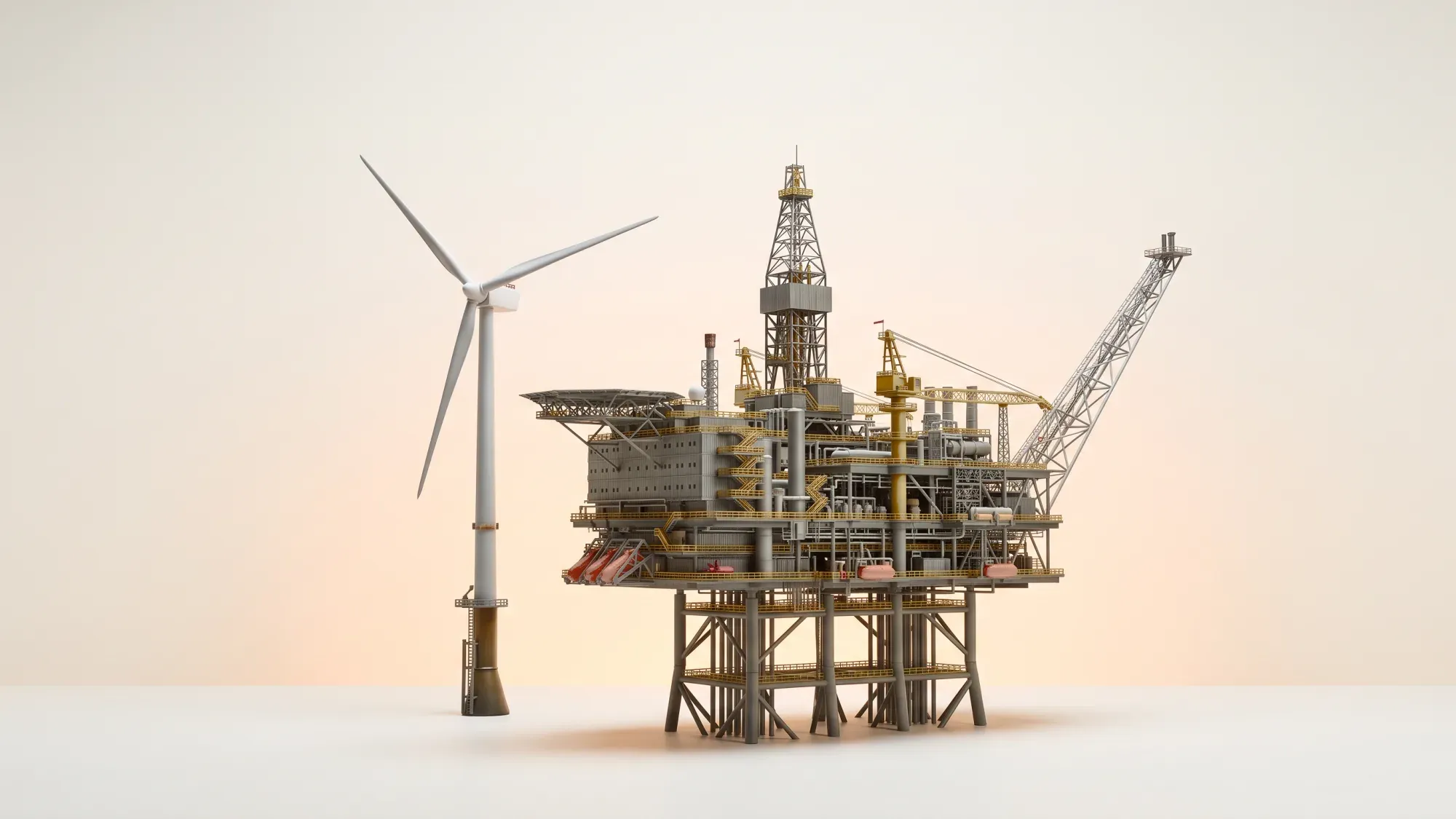
London Mayor Sadiq Khan has urged Prime Minister Andy Burnham to recommit to robust climate action and reduce the UK's reliance on fossil fuels, amidst a summer marked by extreme weather events. This intervention highlights a growing tension between the UK's legally binding climate targets and the ongoing debate surrounding new North Sea oil and gas exploration. This discussion often frames energy security and climate action as competing priorities, a "scarcity consensus" that Fuse Energy challenges by advocating for abundant clean energy as the true, long-term solution.
The debate around North Sea oil and gas is complex, but understanding the different perspectives is key to navigating the UK's energy future. Fuse Energy believes in a future where energy is abundant and clean, moving beyond the idea that we must choose between security and sustainability.
In the midst of the North Sea oil debate, understanding your energy options is crucial. With Fuse Energy, you get clear pricing, real-time usage data, 24/7 human customer support, and a modern energy experience designed around you. Signing up takes just a few minutes, so you can take control of your bills from day one. Click here to switch to Fuse Energy today and start saving.
Enter your address to get a quote and see how much you could save
The UK's North Sea oil debate: a political flashpoint
The future of North Sea oil and gas has become a significant political flashpoint, with prominent figures expressing differing views on its role in the UK's energy landscape. This debate is intensified by the visible impacts of climate change and the nation's commitment to net-zero emissions.
Sadiq Khan's call for renewed climate action
Sadiq Khan, the Mayor of London, has called on Prime Minister Andy Burnham's administration to reaffirm its commitment to net zero and continue reducing the UK's reliance on oil and gas. Writing in The Guardian1, Khan said that "National governments across the globe must step up and meet the gravity of this moment with renewed focus, funding, and resolve". He pointed to the "terrifying scenes" of the current summer, characterised by drought, wildfires, and heatwaves across the UK, as evidence that the world has entered an "era of extremes". Khan warned, "My fear is that - without urgent action - the worst is still to come".
Andy Burnham's 'pragmatic' stance on fossil fuels
Prime Minister Andy Burnham has said he would be “pragmatic” about North Sea oil and gas drilling. Burnham noted, "The question isn't whether Britain will still be using oil and gas, the question is where does it come from". This stance marks a shift from his previous environmental advocacy as Mayor of Greater Manchester, where he supported a fossil fuel non-proliferation treaty. While Labour's 2024 manifesto ruled out new drilling licences, Burnham's approach suggests a potential openness to existing projects.
The urgency of extreme weather events
The summer's extreme weather events, including record heatwaves, droughts, and wildfires, underscore the immediate and tangible impacts of the climate crisis. These events highlight the urgency of climate action and intensify the debate over continued fossil fuel exploration. Public opinion increasingly favours renewable energy over fossil fuels, and international credibility depends on consistent climate leadership.
Navigating UK climate commitments and energy security
The UK faces the dual challenge of meeting ambitious climate targets while ensuring a secure and affordable energy supply. This balancing act is central to the North Sea oil debate.
The UK's net-zero target and legal obligations
The United Kingdom has a legally binding target to reach net-zero greenhouse gas emissions by 2050. This commitment, enshrined in the Climate Change Act 2008, requires a 100% reduction in emissions from 1990 levels. The Act also established carbon budgets as interim targets to guide progress towards the 2050 goal. Ofgem, the energy regulator, plays a crucial role in ensuring energy companies comply with regulations that promote renewable energy and reduce reliance on fossil fuels.
The role of North Sea resources in energy independence
Proponents of continued North Sea oil and gas extraction argue it is vital for UK energy security and independence, particularly during periods of global instability and high energy costs. They suggest that domestic production can reduce reliance on imports and support jobs. However, critics argue that new projects would have minimal impact on energy prices and would not significantly enhance energy independence, as most of the oil and gas is sold on international markets.
Economic and environmental implications of new drilling
The economic and environmental implications of new North Sea drilling are contentious. While some argue it provides economic value and tax revenues, others warn of the long-term costs. Professor Nicholas Stern, a leading economist, has stated that "New drilling and decelerating climate action would be bad for growth and for energy security in the UK, and a damaging signal for the world." The North Sea Transition Authority (NSTA) is responsible for maximising economic recovery of oil and gas but also has a mandate to assist in meeting the net-zero target.
"New drilling and decelerating climate action would be bad for growth and for energy security in the UK, and a damaging signal for the world." — Professor Nicholas Stern, London School of Economics
Key projects under scrutiny: Jackdaw and Rosebank
Decisions on specific North Sea projects, such as Jackdaw and Rosebank, are central to the current debate and are expected soon. These projects have faced significant legal and environmental challenges.
Understanding the scope of new fossil fuel exploration
The Jackdaw gas field, located east of Aberdeen, and the Rosebank oil field, west of Shetland, are two prominent projects awaiting final decisions. Both projects had previous approvals paused after a court challenge by environmental groups. This followed legal challenges from environmental groups, which successfully argued that a more comprehensive environmental assessment was needed, particularly regarding the emissions produced when the extracted fuel is burned. Public consultations for Jackdaw and Rosebank have recently concluded.
Expert warnings on growth and global signals
Experts like Professor Nicholas Stern highlight that continued investment in fossil fuels sends a damaging signal globally, undermining the UK's climate leadership. They argue that focusing on climate action presents significant economic opportunities and is the only sustainable path for long-term growth. The plummeting costs of clean technologies, from renewable energy to electric vehicles, demonstrate that investments can simultaneously tackle the climate crisis and foster economic growth.
Beyond scarcity: a future of abundant clean energy
The debate over North Sea oil often presents a false dilemma between energy security and climate action. Fuse Energy challenges this "scarcity consensus" by envisioning a future powered by abundant, clean energy.
Challenging the trade-off between security and sustainability
The notion that the UK must choose between securing its energy supply and meeting climate goals is a narrative that Fuse Energy actively challenges. Instead of settling for the idea that energy is scarce, Fuse advocates for a future where abundant clean energy resolves this perceived trade-off. This approach moves beyond the traditional energy industry's "use less" message, which has often fostered a mindset of limitation and fear.
How clean energy can deliver both power and climate action
Fuse Energy's strategy involves investing in and planning to deploy terawatt-hours of solar and storage, aiming to demonstrate a tangible path to achieving energy independence through renewables. This strategy offers a practical alternative to relying on new fossil fuel exploration, ensuring both energy security and robust climate action.
Fuse Energy is committed to making energy abundant and accessible. We offer clear pricing, real-time usage data, and 24/7 human customer support to empower you to take control of your energy. Discover how easy it is to switch and join the movement towards a cleaner, more secure energy future. Click here to switch to Fuse Energy today. You can also find out more about our mission to build a future with power to play with here.
References
Disclaimer
For the avoidance of doubt, this article is provided for informational purposes only and is not intended to constitute legal or financial advice. The author and/or Fuse Energy shall not be responsible for any losses arising out of any reliance on the information contained herein.