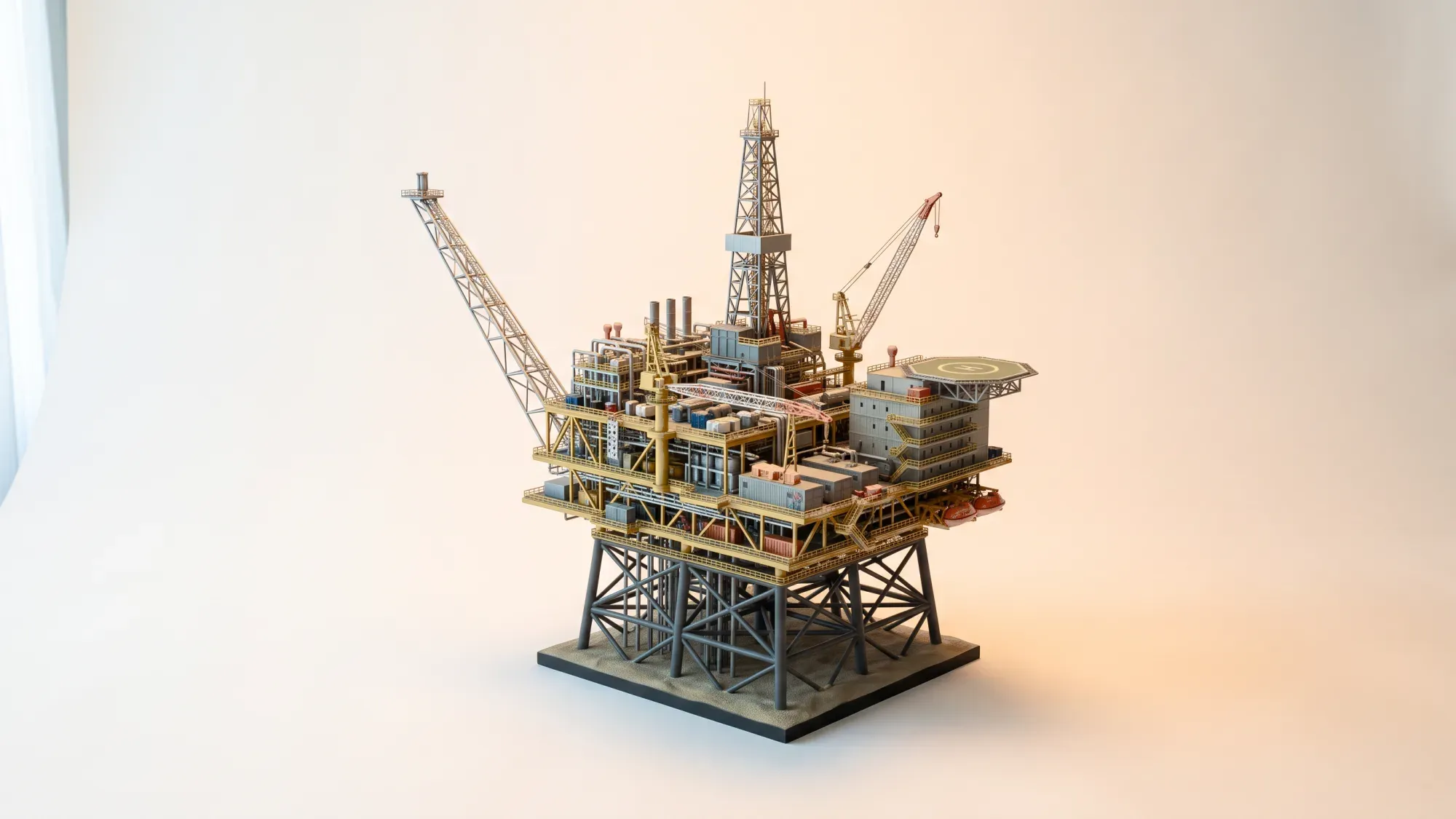
The UK's offshore energy industry is urging the government to implement a "policy reset" for North Sea oil and gas. This change is considered crucial to unlock multi-billion-pound investments and reduce the nation's reliance on energy imports. Offshore Energies UK (OEUK), the trade body representing the sector, advocates for scrapping the Energy Profits Levy (EPL) and establishing a fiscal regime that supports domestic production. This approach aims to secure the UK's energy future by maximising home-grown resources during the transition to a net-zero economy1.
The debate around North Sea oil and gas policy highlights the importance of a stable energy supply. At Fuse Energy, we are committed to providing clear and reliable energy for your home. Click here to switch to Fuse Energy.
Historical context and production trends
The North Sea has historically been a vital source of energy for the UK, with offshore licensing for oil and gas exploration and production. Its output has significantly contributed to the nation's energy security and economic prosperity. However, domestic oil and gas production in the North Sea has been declining, leading to increased exposure to imports and global geopolitical risks.
Government strategy and licensing rounds
The UK government's approach to North Sea oil and gas involves managing licensing rounds. However, the specific details of future licensing and policy frameworks are subject to ongoing debate and reform.
The energy Profits Levy and its impact
The EPL has significantly altered the fiscal environment for North Sea operators. This high tax rate is seen by industry as a major deterrent to investment, accelerating production decline and increasing the UK's reliance on imports.
OEUK's advocacy for fiscal reform
Offshore Energies UK (OEUK) has consistently called for a policy reset, specifically advocating for the removal of the EPL and the implementation of a more stable fiscal regime. The industry body argues that the current tax framework discourages the necessary investment in North Sea operations.
The case for domestic production and energy security
David Whitehouse, Chief Executive of OEUK, has stated that the UK will continue to need oil and gas for decades to come. He poses the critical question of whether the UK will produce as much of that energy as possible domestically - supporting jobs, communities, and the economy - or increasingly rely on imports, thereby exporting investment and economic value overseas. OEUK highlights that importing liquefied natural gas (LNG) from countries like America or Qatar can involve carbon emissions up to four times higher than domestic North Sea production.
Unlocking investment and economic benefits
OEUK's analysis suggests that a policy reform, including the early implementation of the proposed Oil and Gas Price Mechanism (OGPM), could unlock an additional £50 billion in oil and gas investment. Such a reform is projected to boost tax receipts by more than £13 billion over the next decade and support tens of thousands of jobs. This would also enable the UK to meet at least half of its oil and gas needs from domestic production until 2050, and could cut the imported LNG share of UK gas supplies to 6% by 2035, compared with 46% without reform.
Reducing reliance on energy imports
A stable and supportive policy environment for North Sea oil and gas production is crucial for reducing the UK's dependence on energy imports. Declining domestic output has made the UK more vulnerable to international price volatility and supply disruptions, impacting both households and businesses. Prioritising homegrown energy can enhance strategic autonomy during geopolitical crises.
Attracting multi-billion-pound investments
The potential for £50 billion in new investment underscores the significant economic impact of a policy reset. This capital is essential not only for maintaining existing infrastructure but also for developing new projects that can extend the life of the North Sea basin and ensure a steady supply of energy during the transition period.
Supporting jobs and the supply chain
The offshore energy sector is a major employer, supporting thousands of highly skilled jobs across the UK, particularly in Scotland and the Northeast of England. A robust North Sea industry sustains a vital supply chain, contributing to regional economies and providing the expertise necessary for the expansion of renewable energy technologies.
Balancing fossil fuel production with net-zero targets
The debate surrounding North Sea oil and gas policy is not a simple choice between fossil fuels and clean energy. Instead, it represents a complex interplay of energy security, economic stability, and the UK's ambitious net-zero targets. The industry acknowledges the need for change and the broader net-zero transition.
The role of oil and gas in a transitional energy mix
Even as the UK accelerates its transition to renewable energy sources, oil and gas are expected to remain a significant part of the energy mix for decades. Domestic production can provide a lower-carbon alternative to imports, as imported LNG often has a higher carbon footprint. This transitional role is vital for maintaining energy supply stability while new renewable infrastructure is developed and scaled.
Policy coherence for a future of abundant energy
Effective policy for existing energy sources, such as North Sea oil and gas, is a necessary component of a holistic strategy to build a robust and abundant energy system for the future. Policy coherence across all energy sectors, from traditional hydrocarbons to emerging clean technologies like carbon capture and storage (CCS), is essential. The North Sea Transition Authority (NSTA) has been actively involved in carbon storage licensing rounds. This demonstrates the integrated approach required to achieve both energy security and environmental goals.
Potential policy reforms and their impact
The industry's call for an urgent policy reset, including the early introduction of the OGPM, could significantly alter the investment landscape. Such reforms are anticipated to incentivise production, protect domestic jobs, strengthen energy security, and support the broader energy transition. Polling data indicates strong public support for prioritising domestic North Sea production over imports.
Long-term sustainability and innovation
The long-term sustainability of North Sea operations hinges on a commitment to innovation and decarbonisation. The sector is actively exploring technologies like carbon capture and storage (CCS) to reduce its environmental impact and contribute to net-zero targets. The NSTA's involvement in carbon storage licensing rounds highlights the potential for the North Sea to become a hub for these crucial technologies.
Strategic importance for the UK's energy future
The North Sea remains strategically important for the UK's energy future, not just as a source of oil and gas, but also as a critical hub for energy transition technologies. A predictable and supportive policy environment for domestic energy production allows the UK to maintain "power to play with" in its energy mix, reducing vulnerability to global market fluctuations and ensuring supply resilience.
Managing your home energy should be straightforward, allowing you to focus on what matters most. Fuse Energy offers clear pricing, real-time usage data through our app, and 24/7 human customer support to help you stay in control of your bills. Switching is quick and easy, designed to give you a modern energy experience. Click here to switch to Fuse Energy today. Discover more about our mission to make energy abundant by clicking here.