Andy Burnham: UK must deliver on net zero by 2050
The UK is legally committed to achieving net zero greenhouse gas emissions by 2050, a target enshrined in law that shapes the nation's energy future. Prime Minister Andy Burnham has underscored the urgency of this commitment, stating that Britons are already experiencing the effects of climate Change1. He advocates for a green transition that he believes can revitalise Britain's economy and empower local communities.
Explore smarter ways to manage your home energy. With Fuse Energy, you get 24/7 human customer support and a modern energy experience designed around you. Click here to switch to Fuse Energy today.
Enter your address to get a quote and see how much you could save
Understanding the UK's net zero commitment
The journey to net zero represents a fundamental shift in how the UK generates and consumes energy, moving away from a reliance on fossil fuels towards sustainable alternatives. This transition is framed not as a burden, but as a significant opportunity for national growth and innovation.
The 2050 target and legal basis
The UK's commitment to net zero greenhouse gas emissions by 2050 is legally binding, established by the Climate Change Act 2008. This landmark legislation made the UK one of the first countries to set a long-term legally binding framework to cut carbon emissions, requiring a 100% reduction in net emissions compared to 1990 levels. The Act provides a structure for accountability and sets out emissions reduction targets through five-year "carbon budgets" to ensure steady progress towards the 2050 goal.
Why net zero matters now: the climate crisis impact
Prime Minister Andy Burnham has emphasised the immediate nature of the climate crisis, stating, "The climate crisis is not a distant threat. It is here and with us now". He highlighted that Britons are already feeling the effects of a changing climate, citing a summer of record heat, droughts, and wildfires. This recognition underscores the urgency of the net zero commitment, positioning it as a response to current realities rather than a distant aspiration.
What is the UK's net zero target?
The UK's net zero target, enshrined in the Climate Change Act 2008, legally commits the country to reducing greenhouse gas emissions by 100% compared to 1990 levels by 2050. This means balancing any remaining emissions with actions that remove an equivalent amount from the atmosphere, driving a fundamental shift in energy generation and consumption.
The green transition: an opportunity for Britain
The shift to a green economy is not merely about environmental protection; it is also viewed as a powerful catalyst for economic renewal and community empowerment across the UK.
Reindustrialising Britain through green energy
Burnham sees the green transition as a vital opportunity to "reindustrialise Britain". This vision involves transforming the economy by investing in new green industries, creating jobs, and fostering innovation in sustainable technologies. The aim is to build a resilient, future-proof economy that reduces reliance on volatile global energy markets and creates lasting prosperity.
Empowering communities with local energy projects
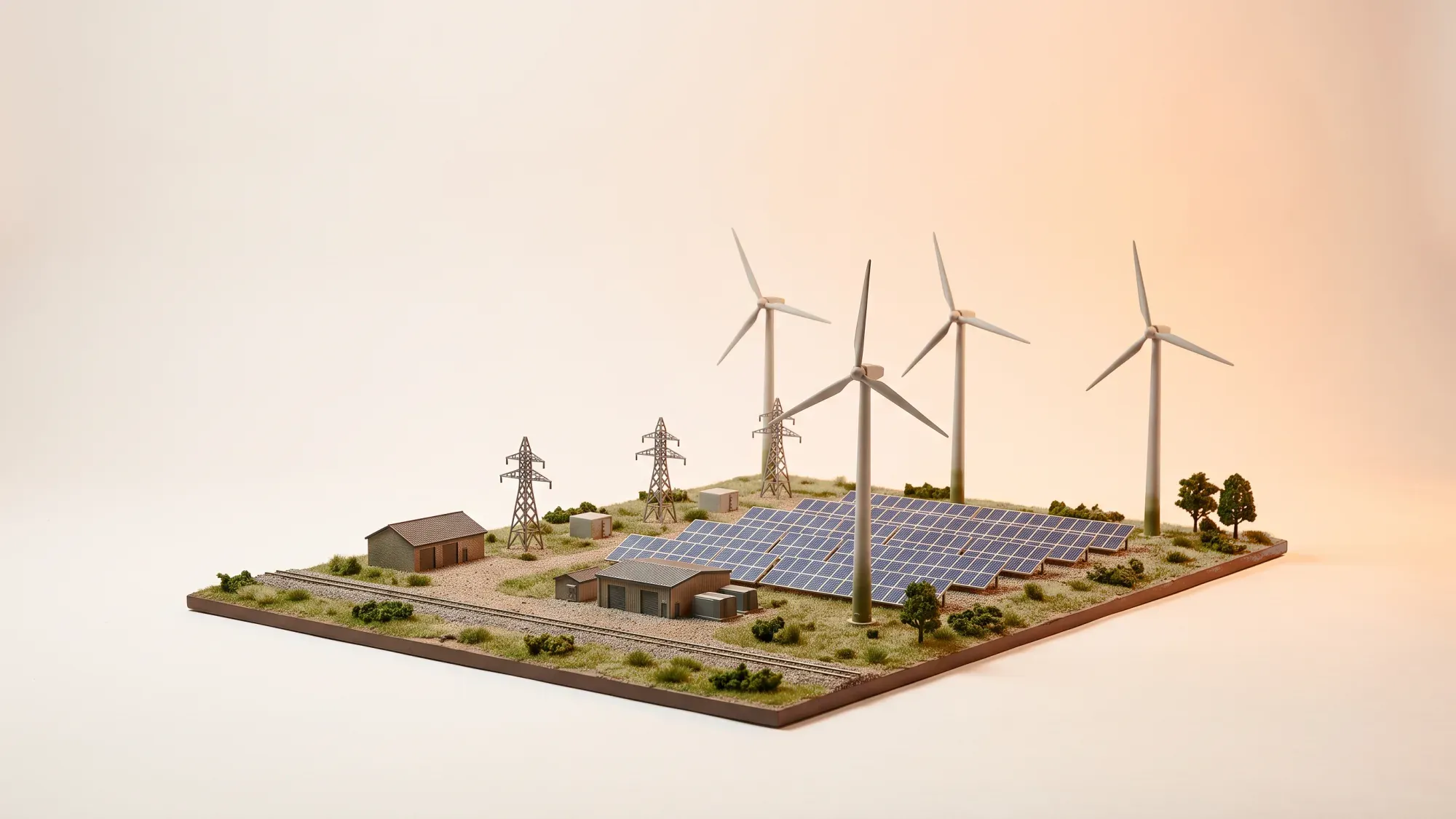
A key aspect of this transition is the championing of community-led local green energy projects, such as solar and wind farms. These initiatives are designed to make energy more affordable and empower local communities by giving them a stake in their own clean energy supply. By enabling communities to build and control their energy generation, the government aims to put money back into people's pockets and provide a direct role in tackling the climate crisis.
Navigating the challenges to net zero
Achieving net zero by 2050 involves complex challenges, particularly in balancing the immediate need for energy security with long-term decarbonisation goals.
Balancing energy security with decarbonisation
The UK faces the ongoing challenge of ensuring a secure and affordable energy supply while simultaneously reducing carbon emissions. This balance is critical, especially in a global landscape marked by energy market volatility. The strategy involves increasing domestic renewable energy generation to enhance energy independence and reduce reliance on imported fossil fuels.
The role of fossil fuels in the transition
Despite the strong commitment to net zero, Prime Minister Burnham faces pressure over potential approvals for North Sea oil and gas fields, such as Jackdaw and Rosebank. Industry bodies and some political figures argue these projects are crucial for maintaining energy security and supporting jobs, contributing billions to the economy and thousands of jobs at peak construction. Conversely, climate campaigners argue that approving new fossil fuel developments undermines the UK's net zero targets. The decisions surrounding these fields represent a significant test of the government's commitment to its climate goals.
"I am determined that we meet the commitment on which Labour was elected and reach net zero by 2050." — Andy Burnham, Prime Minister
Fuse Energy's role in an abundant net zero future
Fuse Energy aligns with the UK's net zero commitment by working towards an abundant, clean energy future. The company challenges the scarcity mindset often associated with climate action, demonstrating how net zero can lead to more energy and capability, not less.
Fuse Energy's approach aims to build a system that can support the infrastructure required for the UK to achieve its net zero goals through innovative generation and distribution. By focusing on delivering terawatt-hours of the cheapest, cleanest energy possible, Fuse contributes directly to the UK's decarbonisation strategy and energy affordability solutions.
Fuse Energy's promise to customers is to deliver abundant, affordable, and clean energy, empowering individuals and communities in the green transition. This approach helps to connect national policy goals with tangible benefits for individuals, offering energy affordability and local empowerment. Fuse aims to position the green transition as an opportunity for 'reindustrialising Britain' with abundant, clean energy, making it a power play for everyone involved.
Ready to be part of an abundant energy future? Switch to Fuse Energy today and experience a modern energy experience designed around you. Click here to switch to Fuse Energy today. Find out about our mission by clicking here.
References
Disclaimer
For the avoidance of doubt, this article is provided for informational purposes only and is not intended to constitute legal or financial advice. The author and/or Fuse Energy shall not be responsible for any losses arising out of any reliance on the information contained herein.