UK negative electricity price explained
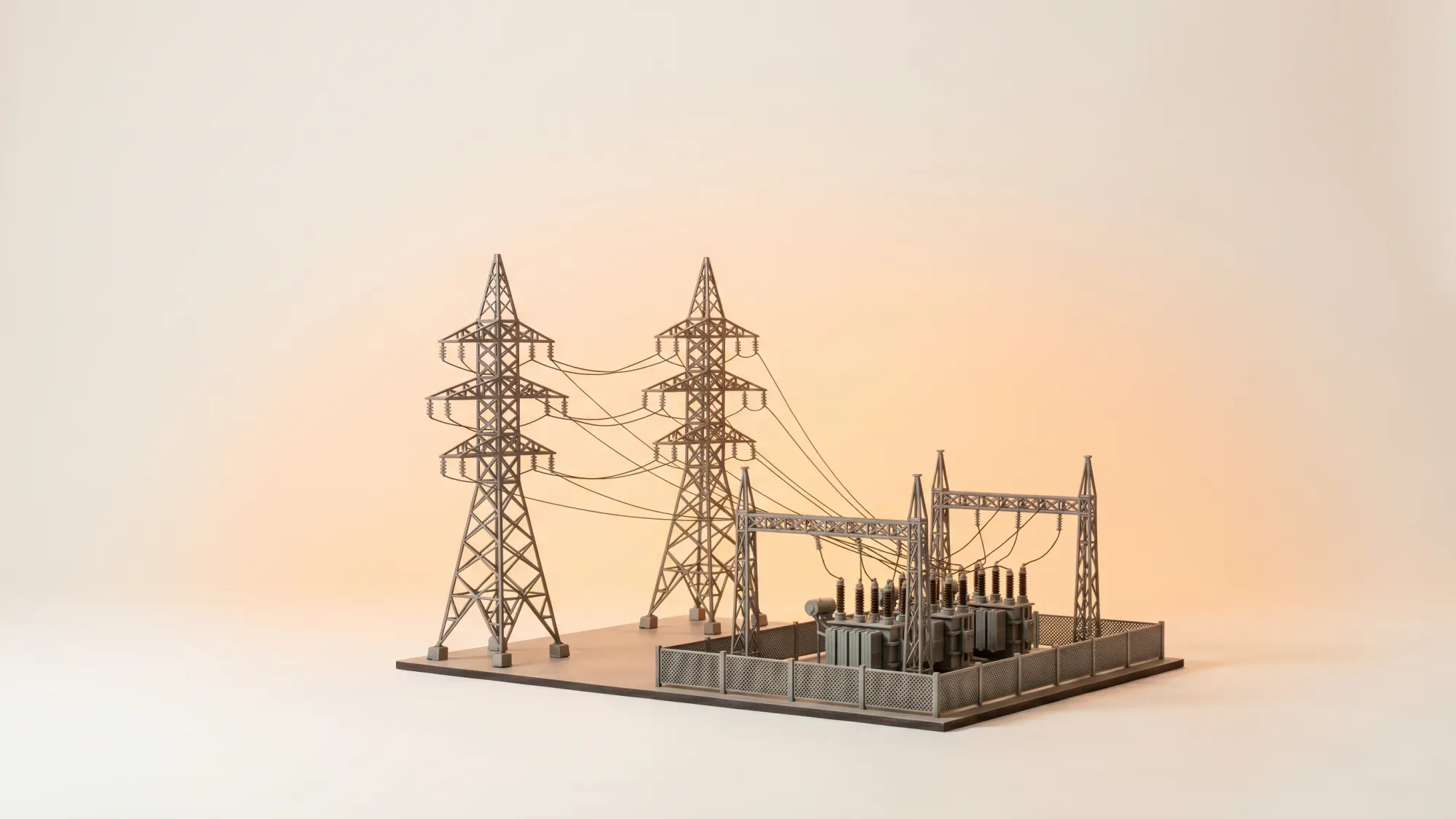
Many UK homeowners are grappling with a curious paradox: high electricity bills coexisting with moments when energy is so abundant that suppliers effectively pay you to use it. This phenomenon, known as negative electricity pricing, is no longer a rare anomaly but a growing trend. It offers a unique opportunity for those with smart energy systems to optimise costs and contribute to a greener grid.
Understanding these market dynamics can help you make informed decisions about your home's energy consumption.
Fuse Energy believes in a future where clean energy is so plentiful it occasionally exceeds demand. We are building the infrastructure to deliver the abundant, clean energy the future requires, empowering homeowners to make the most of market opportunities like negative pricing. Click here to switch to Fuse Energy today.
Enter your address to get a quote and see how much you could save
What are negative electricity prices?
Defining negative wholesale prices
Negative electricity prices occur when the wholesale cost of electricity drops below zero. This means there is more electricity being generated than the grid needs, and generators are willing to pay for it to be consumed rather than incur the costs of shutting down or curtailing production. This is not about your energy bill suddenly going negative, but rather the wholesale price component of it.
What causes negative wholesale electricity prices?
Negative wholesale electricity prices happen when supply significantly outstrips demand on the grid. This often occurs during periods of high renewable generation (like strong winds or bright sunshine) combined with low overall electricity consumption, leading to an oversupply that the grid struggles to manage.
The 'Ed Miliband paradox' explained
This situation has been dubbed the "Ed Miliband paradox" by some commentators1. It refers to the seemingly contradictory scenario where UK electricity prices remain high for consumers, yet the wholesale market experiences periods of extreme oversupply, leading to negative prices. This paradox highlights a fundamental imbalance: a significant increase in generation capacity, particularly from renewables, coupled with slower-than-anticipated growth in electricity demand.
Why are negative prices occurring more frequently in the UK?
Oversupply from renewable and nuclear generation
The primary driver behind the surge in negative electricity prices is an oversupply of generation capacity, particularly from renewable sources like wind and solar, alongside nuclear power. These low-carbon generators are often inflexible; they are difficult and costly to switch off quickly once they are running. When the wind blows strongly or the sun shines brightly, these plants continue to generate electricity, even if demand is low. This creates a surplus that the grid must manage. The phenomenon of "negative prices" has surged sevenfold since 2021.
Lower-than-expected electricity demand
Compounding the oversupply issue is a significant miscalculation in past electricity demand forecasts. Simone Rossi, CEO of EDF UK, noted that, "Electricity demand has actually decreased in the last 20 years by around 20pc". This decline contradicts earlier government projections that spurred the expansion of low-carbon generation capacity. Slower-than-anticipated adoption of electric vehicles (EVs) and heat pumps has also contributed to demand not meeting previous expectations. Professor Michael Pollitt criticised this "wishful thinking" in past demand forecasts.
Grid constraints and inflexibility
The UK's electricity grid was largely designed for a centralised system with predictable, dispatchable power plants. It struggles to efficiently manage the intermittent and often geographically dispersed nature of modern renewable generation. When there is an abundance of power in one region but insufficient transmission capacity to move it to areas of demand or storage, generators may be paid to reduce their output (curtailment) or even pay for their power to be taken off the grid. This inflexibility exacerbates the problem of oversupply.
Implications of negative electricity prices
Economic waste and curtailment
The phenomenon of negative prices often signals economic waste. When generators are paid to switch off or pay for their electricity to be consumed, it means valuable, often clean, energy is not being utilised. This curtailment of renewable energy represents a missed opportunity to decarbonise the grid further and efficiently use existing infrastructure.
Social justice concerns and 'plunge pricing'
While some consumers with specific tariffs can benefit from "plunge pricing" - where they are paid to use electricity - critics argue the system is socially unjust. Kathryn Porter of Watt-Logic states, "When wholesale prices go negative, it usually benefits more affluent people... This isn't just wasteful, it's socially unjust". This is because benefiting from negative prices often requires smart meters, specific tariffs, and the ability to shift energy-intensive activities, such as charging an EV or running a heat pump, to these periods. Not all households have access to these technologies or the flexibility in their daily lives.
Market signals for energy storage and flexibility
Despite the challenges, negative prices also send a clear market signal: there is a pressing need for greater energy storage solutions and demand-side flexibility. This includes large-scale battery storage, pumped hydro storage, and smart technologies that can automatically adjust energy consumption in homes. These solutions can absorb excess generation during periods of oversupply and release it when demand is high, helping to balance the grid and reduce waste.
How can you potentially benefit from negative electricity prices?
Smart tariffs and wholesale price linkage
For homeowners, the most direct way to potentially benefit from negative electricity prices is through smart tariffs that link directly to wholesale electricity prices. Tariffs like Octopus Agile (a well-known example) adjust their rates frequently, sometimes every half hour, reflecting the real-time cost of electricity. During periods of negative wholesale prices, these tariffs can offer very low or even negative rates, meaning you could be paid for the electricity you consume. However, it is important to understand that these tariffs also expose you to higher prices during peak demand, so careful management is key.
Electric vehicle charging and smart appliances
Electric vehicles (EVs) and smart home appliances offer significant opportunities to capitalise on negative pricing. If you have an EV, you could potentially schedule its charging to occur during periods of low or negative prices, often overnight or during sunny, windy afternoons. Similarly, smart washing machines, dishwashers, and heat pumps can be programmed to run when electricity is cheapest, reducing your overall energy bill. This requires a smart meter and a compatible tariff.
Home battery storage solutions
Installing a home battery storage system allows you to store excess electricity from the grid (or your own solar panels) when prices are low or negative, and then use that stored energy when prices are high. This not only helps you save money but also contributes to grid stability by acting as a flexible demand source. As battery technology advances and costs decrease, these systems are becoming an increasingly viable option for many households.
Demand-side response opportunities
Demand-side response (DSR) involves adjusting your electricity consumption in response to signals from the grid or your supplier. While often associated with businesses, residential DSR is growing. By participating, you could potentially earn payments or discounts for reducing your energy use during peak times or increasing it during periods of oversupply (like negative prices). This helps balance the grid and supports the integration of more renewable energy.
The future of negative electricity prices and the UK grid
Forecasts for increasing frequency
The trend of negative electricity prices is set to continue, and even accelerate. Forecasts suggest that negative prices could occur for 15% of the year by 2028. This indicates a future where abundant clean energy is a regular feature of the UK grid, presenting both challenges for grid management and opportunities for flexible consumers.
Policy and infrastructure solutions
Addressing the challenges posed by negative prices will require significant policy and infrastructure developments. This includes further investment in grid upgrades to enhance transmission capacity, the deployment of more large-scale energy storage, and regulatory frameworks that incentivise flexibility and demand-side response. Professor Dieter Helm concluded that, "It is time to be honest about the costs of the net zero target", suggesting a need for a clear-eyed approach to energy policy. The Department for Energy Security and Net Zero plays a role in policy related to energy supply and net zero targets.
Embracing abundance for a cleaner future
Fuse Energy views negative electricity prices not as a market failure, but as a tangible sign of a future where clean energy is so plentiful it occasionally exceeds demand. This aligns with our vision of energy abundance, where the constraint on human progress is imagination, not energy. By embracing smart energy management and investing in flexible solutions, the UK can transform this paradox into an opportunity, moving towards a cleaner, more efficient, and ultimately more affordable energy system.
Managing your energy bills should be clear and easy to understand. Fuse Energy focuses on straightforward pricing, so you can see exactly what you are paying without unnecessary complexity. If you have a smart meter, you can view detailed usage data through the app or website, helping you understand how you can lower your bills. Our 24/7 human support team is always on hand with fast response times whenever you need help. Click here to switch to Fuse Energy today. Find out about our mission by clicking here.
References
Disclaimer
For the avoidance of doubt, this article is provided for informational purposes only and is not intended to constitute legal or financial advice. The author and/or Fuse Energy shall not be responsible for any losses arising out of any reliance on the information contained herein.