UK needs a national cooling strategy to avoid carbon lock-in
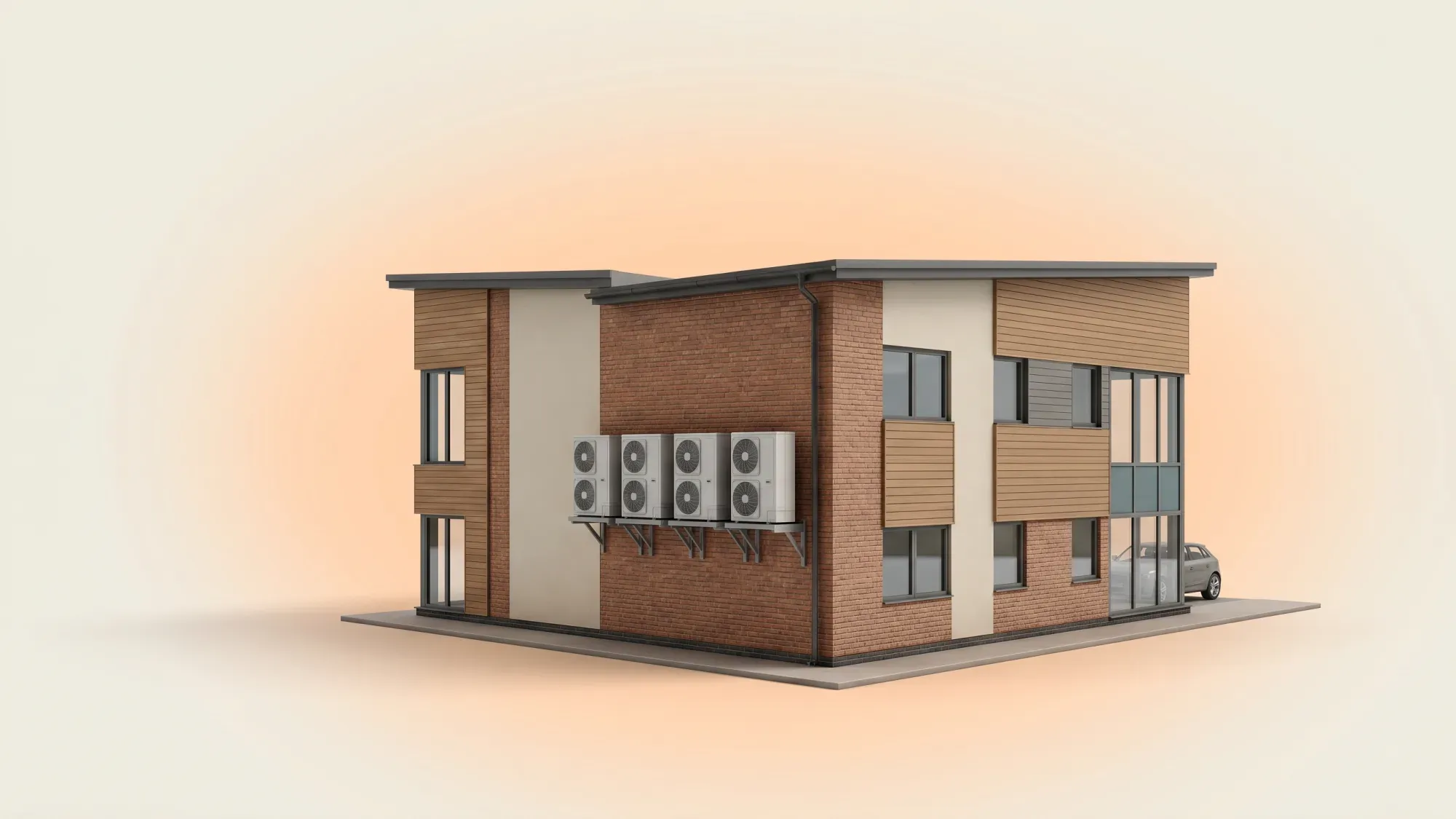
The UK is at risk of "locking in higher emissions" if it fails to implement a national cooling strategy, a London-based non-profit has warned. The non-profit's report highlights the urgent need to limit the demand for air conditioning across the country to prevent increased carbon emissions and hindering its net-zero goals1. This challenge is not merely about comfort; it is a strategic imperative for the UK's net-zero transition and future resilience. The UK's growing need for cooling can be a catalyst for accelerating clean energy deployment, not a threat to net-zero.
As the UK considers its cooling future, ensuring your home energy is efficient and sustainable is key. Fuse Energy offers clear pricing and smart tools to help you manage your energy use. Click here to switch to Fuse Energy today.
Enter your address to get a quote and see how much you could save
The urgent need for a UK national cooling plan
Rising temperatures and growing cooling demand
The UK is experiencing a significant shift in its climate, with rising global temperatures leading to more frequent and intense heatwaves. This warming trend directly drives up the demand for cooling solutions across all sectors, from homes to businesses. Without a strategic approach, this increased demand could place immense strain on the national energy grid and lead to a surge in energy consumption.
The threat of carbon lock-in and net-zero goals
The non-profit's report underscores that without a national cooling strategy, the UK could face increased carbon emissions, hindering its net-zero goals. The non-profit stated that "The UK risks locking in higher emissions unless it develops a national cooling strategy that limits demand for air conditioning". Relying solely on conventional air conditioning, which often uses refrigerants with high global warming potential and consumes significant electricity, risks 'carbon lock-in'. This means investing in infrastructure and technologies that are carbon-intensive, making it harder and more expensive to decarbonise in the future. The UK has net-zero targets, necessitating comprehensive decarbonisation across all energy-consuming sectors. Climate policy is increasingly focused on adaptation and resilience to rising temperatures, alongside emission reduction.
What is carbon lock-in in the context of cooling?
Carbon lock-in occurs when long-term investments are made in carbon-intensive cooling technologies and infrastructure, making it difficult and costly to transition to low-carbon alternatives later. This can trap a country into higher emissions pathways, undermining net-zero targets and climate action efforts.
Components of an effective national cooling strategy
An effective national cooling strategy must move beyond simply installing more air conditioning units. It requires a multi-faceted approach that integrates sustainable design, efficient technologies, and smart energy management.
Passive cooling and building design
Prioritising passive cooling techniques and intelligent building design is fundamental. This includes optimising building orientation, improving insulation, using shading devices, and incorporating natural ventilation. Green roofs and walls, cool pavements, and urban green spaces can also significantly reduce ambient temperatures in urban environments, lessening the need for active cooling. Integrating these strategies into broader building codes and urban planning is crucial to avoid common pitfalls of relying solely on mechanical systems.
Energy-efficient cooling technologies
Where active cooling is necessary, the strategy must promote the adoption of highly energy-efficient cooling technologies. This includes advanced air conditioning systems with lower global warming potential refrigerants, evaporative coolers, and district cooling networks that can share cooling resources efficiently. Incentives and policy frameworks are needed to encourage consumers and businesses to choose these low-carbon options over less efficient alternatives.
Integrating cooling with renewable energy
A sustainable cooling strategy must be deeply integrated with the national energy infrastructure and renewable energy deployment. This means ensuring that increased cooling demand is met by clean, renewable sources rather than fossil fuels. Smart grid technologies, energy storage solutions, and demand-side management programmes can help balance the load created by cooling, ensuring stability and efficiency.
Overcoming challenges in UK cooling policy
Developing and implementing a national cooling strategy in the UK presents several challenges, from policy gaps to the need for significant infrastructure investment.
Policy gaps and regulatory frameworks
Currently, the UK's policy landscape has largely focused on heating, with cooling often an afterthought. This has led to gaps in regulatory frameworks, building codes, and incentives that specifically address sustainable cooling. A national strategy must establish clear policy frameworks, performance standards for cooling equipment, and incentives for adopting passive design and efficient technologies. This integration into broader energy and climate policy is essential.
Investment in sustainable infrastructure
Significant investment is required to transition to sustainable cooling infrastructure. This includes funding for research and development of new low-carbon cooling technologies, upgrading existing buildings, and developing new district cooling networks. Public-private partnerships and innovative financing mechanisms will be vital to mobilise the necessary capital and ensure that investments align with net-zero objectives.
Powering a cooler future: Fuse Energy's vision
Abundant clean energy for sustainable cooling
Fuse Energy challenges the narrative that increased cooling demand is an inherent threat to net-zero. Instead, we see it as an opportunity to accelerate clean energy deployment. Our vision is a future with power to play with - energy so abundant it stops being a thing you think about. By delivering terawatt-hours of the cheapest, cleanest energy possible, Fuse aims to remove the primary constraint on implementing widespread sustainable cooling technologies across the UK. This approach allows the UK to meet its rising cooling needs without compromising its net-zero goals, transforming a perceived problem into a catalyst for progress.
Rebuilding the energy system for resilience
A national cooling plan requires a resilient energy infrastructure, which Fuse is building from scratch to support increased demand without compromising sustainability. We vertically integrate and rebuild the energy system, optimising end-to-end costs and driving a flywheel effect: cheaper kWh leads to more customers, smarter usage, and reinvestment in generation and grid infrastructure. This systemic approach ensures that as cooling demand grows, the energy system can adapt and provide the necessary clean power, making the UK more resilient to climate change impacts and securing a sustainable energy future.
Managing your home's energy should be straightforward, especially As the UK adapts to changing climate needs. Fuse Energy provides clear pricing and real-time usage data through our app, helping you understand and control your energy consumption. Our 24/7 human support team is always available to assist you. Make a smart move for your home and the planet. Click here to switch to Fuse Energy today. You can also learn more about our mission to make energy abundant by clicking here.
References
Disclaimer
For the avoidance of doubt, this article is provided for informational purposes only and is not intended to constitute legal or financial advice. The author and/or Fuse Energy shall not be responsible for any losses arising out of any reliance on the information contained herein.