UK manufacturing energy cost crisis
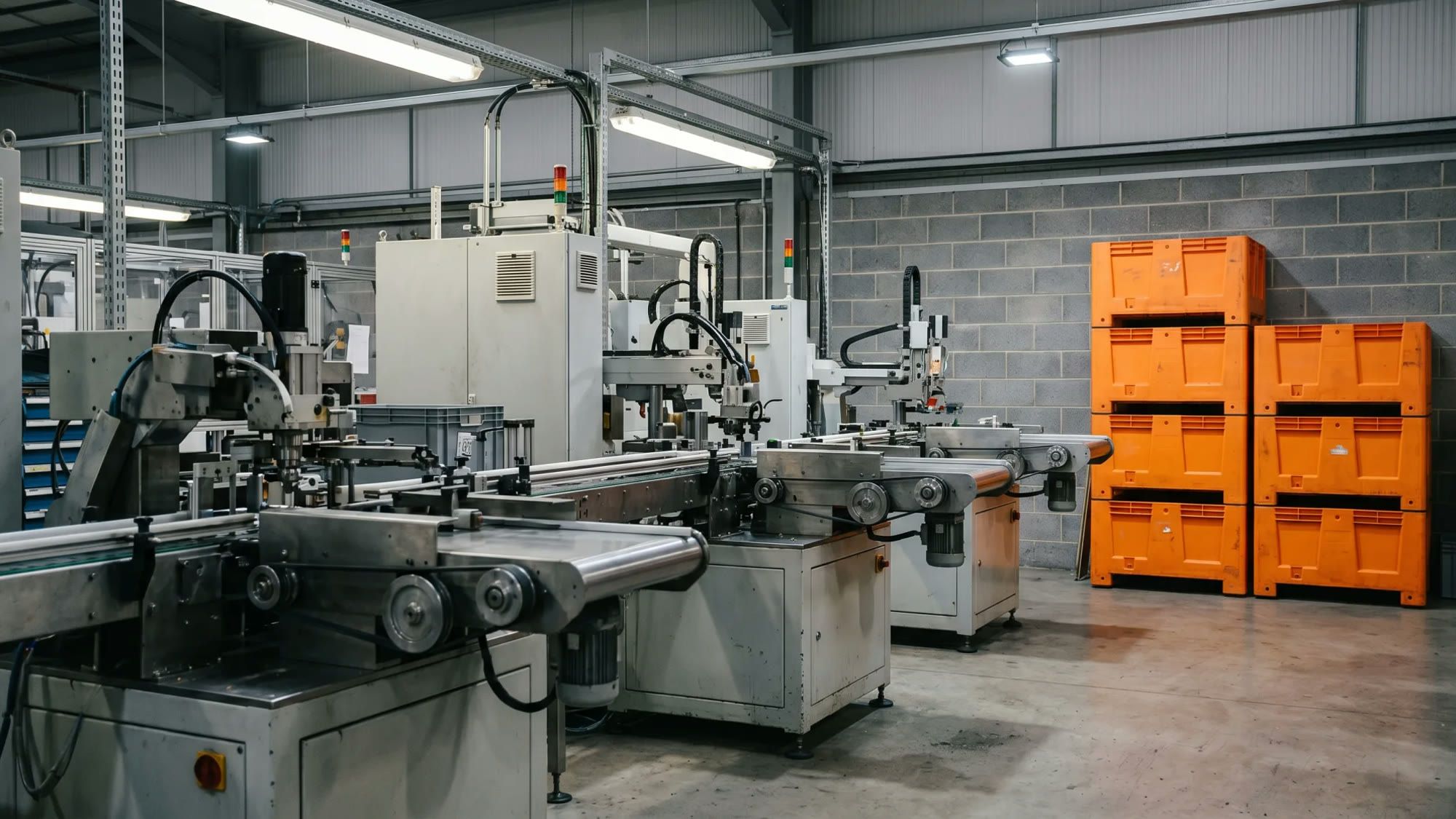
UK manufacturing business owners and managers are grappling with an urgent question: how can they navigate the relentless surge in energy costs that threatens to undermine their operations and competitiveness? This isn't merely a question of balancing the books; it's about the very survival of Britain's industrial base. This article delves into the drivers of these high costs, their profound impact, and the long-term solutions needed to secure a prosperous future for UK industry.
While this article focuses on the challenges facing UK manufacturing, understanding your home energy usage is key to managing costs. Fuse Energy offers clear pricing and real-time usage data to help residential customers take control of their bills. Click here to switch to Fuse Energy.
Enter your address to get a quote and see how much you could save
The UK manufacturing energy crisis: an urgent threat
Soaring costs and the threat of deindustrialisation
Alarm bells are ringing across the UK's manufacturing sector. Soaring energy costs are pushing firms to the brink, with many facing dwindling cashflow and delayed investments. A recent Make UK survey revealed a stark reality: a quarter of UK manufacturing firms are considering or already moving production overseas due to these prohibitive costs1. This exodus isn't just a hypothetical risk; it's a tangible threat to the nation's industrial future.
"The time for talking is over. The time for action is now. Britain faces deindustrialisation unless manufacturers get relief from high energy prices." - Stephen Phipson, CEO of Make UK
The warning from Stephen Phipson, CEO of Make UK, underscores the severity of the situation. Without immediate and effective intervention, the UK risks a significant decline in its manufacturing capabilities, leading to job losses and a weakened economic base.
UK energy prices: highest in the g7
A critical factor exacerbating this crisis is the UK's position on the global energy stage. UK energy prices are already the highest in the G7, making British manufacturers inherently less competitive than their international counterparts. This disadvantage has been further compounded by recent geopolitical events; the Middle East conflict, for instance, has contributed to additional increases in UK energy prices. This persistent high cost creates an unsustainable operating environment for many businesses, forcing difficult decisions about their future in the UK.
Understanding the drivers of high industrial energy costs
The UK's high industrial energy costs are not attributable to a single factor but rather a complex interplay of global, domestic, and regulatory influences.
Global market dynamics and geopolitical influences
Global energy markets are inherently volatile, subject to supply and demand fluctuations, and heavily influenced by geopolitical events. Conflicts, such as the Middle East conflict, can disrupt supply chains and drive up wholesale energy prices, which are then passed on to industrial consumers. The UK, as a net energy importer, is particularly vulnerable to these international price shocks. Furthermore, global competition for energy resources can put upward pressure on prices, especially for natural gas, which remains a significant component of the UK's energy mix.
Domestic energy policy and infrastructure challenges
Domestic energy policy and the state of the UK's energy infrastructure also play a crucial role. Decades of underinvestment in new generation capacity and grid modernisation have left the UK with an ageing and sometimes inefficient system. The reliance on gas-fired power plants means that electricity prices are closely tied to volatile gas prices. Moreover, the UK's energy market structure, while designed to foster competition, has sometimes led to higher costs for industrial users compared to other nations with different regulatory frameworks or state-backed energy provisions. The challenge lies in balancing energy security, affordability, and the transition to cleaner energy sources.
Impact of carbon pricing and environmental levies
The UK's commitment to decarbonisation, while essential for climate action, introduces additional costs for industrial energy users through carbon pricing mechanisms and various environmental levies. These charges are designed to incentivise cleaner production methods and investment in renewable energy, but they can significantly increase the operational expenses for energy-intensive industries in the short term. While these policies are vital for long-term sustainability, their immediate impact on competitiveness needs careful management to prevent carbon leakage - where production simply moves to countries with less stringent environmental regulations.
The profound impact on British industry
The cumulative effect of these high energy costs is creating a challenging environment for UK manufacturing, threatening its very foundation.
Squeezed profit margins and cashflow pressures
Despite stable orders, the industry faces significantly squeezed profit margins. The inability to fully pass on increased energy costs to customers, due to competitive pressures, means that manufacturers are absorbing a substantial portion of these expenses. This directly impacts their profitability, leaving less capital for reinvestment and innovation. Reduced profit margins also translate into cashflow pressures, making it harder for businesses to manage day-to-day operations, pay suppliers, and meet payroll obligations.
Delayed investments and the risk of production overseas
The financial strain caused by high energy costs forces businesses to delay crucial investments in new machinery, technology upgrades, and research and development. More alarmingly, as highlighted by Make UK, a quarter of firms are actively considering or already moving production overseas. This relocation of manufacturing capacity represents a significant loss of jobs, skills, and economic output for the UK, accelerating the risk of deindustrialisation.
Threat to industrial competitiveness and jobs
The high cost of energy directly undermines the UK's industrial competitiveness on the global stage. If British manufacturers cannot produce goods at a comparable cost to their international rivals, they risk losing market share and contracts. This, in turn, jeopardises manufacturing jobs across the country, impacting local economies and communities. Protecting the industrial base is not just about supporting businesses; it's about safeguarding livelihoods and maintaining a diverse, resilient economy.
Current responses and government support
Recognising the gravity of the situation, both government and industry bodies are working to mitigate the impact of high energy costs.
Government initiatives and the british industrial competitiveness scheme (bics)
The UK Government has introduced various initiatives aimed at supporting businesses through the energy crisis. One such programme is the British Industrial Competitiveness Scheme (BICS), designed to provide financial relief to energy-intensive businesses. This scheme aims to help eligible firms manage their energy bills and maintain competitiveness. However, industry bodies argue that its scope needs to be broadened to reach more businesses.
What is the British Industrial Competitiveness Scheme (BICS)?
The British Industrial Competitiveness Scheme (BICS) is a government initiative aimed at supporting energy-intensive businesses in the UK. It provides financial assistance to help eligible manufacturers manage high energy costs, thereby protecting jobs and maintaining industrial competitiveness. Industry bodies are advocating for its expansion to cover a wider range of businesses.
Industry advocacy: make UK and the tuc's calls for action
Industry leaders and trade unions are actively advocating for more comprehensive government intervention. Make UK and the Trades Union Congress (TUC) are prominent voices in this call for action, specifically advocating for the expansion of the British Industrial Competitiveness Scheme (BICS). Paul Nowak, General Secretary of the TUC, emphasised that "the scheme needs to be expanded further to protect jobs and keep factories and plants running." This unified front highlights the widespread concern and the urgent need for policy adjustments that reflect the scale of the crisis.
The role of energy efficiency and decarbonisation
Beyond direct financial support, energy efficiency and decarbonisation are increasingly seen as strategic investments. Improving energy efficiency can reduce consumption and, consequently, energy bills. Many manufacturers are exploring upgrades to their equipment, processes, and insulation to cut down on waste. Simultaneously, transitioning to cleaner energy sources and adopting decarbonisation strategies can offer long-term cost benefits, reduce exposure to fossil fuel price volatility, and align businesses with future environmental regulations. These efforts, while requiring initial investment, can enhance resilience and sustainability.
Towards a sustainable future: long-term energy solutions
While immediate support is crucial, a sustainable future for UK manufacturing requires a fundamental shift in the energy landscape.
Rethinking energy infrastructure for industrial scale
The current energy infrastructure, largely designed for a different era, struggles to meet the demands of modern industrial processes efficiently and affordably. A long-term solution involves rethinking and rebuilding this infrastructure to support industrial-scale energy needs. This includes investing in smart grids, enhancing grid flexibility, and developing localised energy systems that can provide reliable and cost-effective power directly to industrial clusters. Such an approach would reduce transmission losses and improve energy security.
The potential of abundant, cheap, clean energy
The ultimate solution to the manufacturing energy crisis lies in the widespread availability of abundant, cheap, clean energy. Imagine a future where energy is no longer a constraint on industrial ambition, but an enabler. This vision moves beyond incremental efficiency gains to a paradigm where energy costs are dramatically reduced through massive deployment of renewable generation, advanced storage solutions, and potentially, future energy technologies. Such a transformation would not only secure the future of UK manufacturing but also provide a significant competitive advantage.
Strategic investment in domestic generation and grid modernisation
Achieving this vision requires strategic, long-term investment in domestic energy generation, particularly in renewable sources like wind and solar, alongside advanced nuclear technologies. Crucially, this must be coupled with significant modernisation of the National Grid to handle increased renewable input, manage demand fluctuations, and ensure reliable supply. By building a robust, resilient, and clean domestic energy system, the UK can shield its industries from global price volatility and provide them with the foundational energy security they need to thrive.
Fuse's vision: rebuilding energy for industrial prosperity
The current manufacturing energy crisis highlights the limitations of a scarcity-driven energy system, reinforcing the belief that abundant, cheap, clean energy is essential for industrial prosperity. Fuse Energy's vision is rooted in this principle: to deliver the abundant, clean energy the future requires.
From scarcity to abundance: a new paradigm for manufacturing
Fuse believes that the systemic nature of high UK manufacturing energy costs underscores the need for a fundamental shift. Instead of managing scarcity, the focus should be on building an energy system that delivers abundance. This new paradigm for manufacturing would see energy as an enabler of growth and innovation, rather than a prohibitive cost. It's about moving beyond short-term fixes to a fundamentally more competitive energy landscape where energy is no longer a constraint on ambition.
How a vertically integrated energy system can unlock industrial potential
Fuse's approach involves rebuilding the energy system from scratch through vertical integration. While Fuse currently supplies residential customers only, this strategy is designed to optimise every aspect of energy generation, transmission, and supply. Fuse aims to achieve full vertical integration, from generation to distribution, to drive fundamental, long-term cost reductions. This model, once fully realised, has the potential to unlock cheaper, cleaner energy for all sectors, including manufacturing, by creating an efficient, resilient, and cost-effective energy infrastructure that can support industrial-scale demand.
Join the future: partnering for a resilient energy supply
Fuse's vision of a future with abundant, cheap, clean energy offers a transformative solution to the manufacturing sector's energy challenges. While Fuse Energy does not currently offer commercial energy supply to manufacturing businesses, it is building the infrastructure that will eventually unlock cheaper, cleaner energy for all sectors. This long-term commitment positions Fuse as a thought leader in energy system transformation, offering a hopeful and forward-looking perspective on how the UK can secure its industrial future. Manufacturing businesses interested in a future of abundant, affordable energy can join Fuse's waitlist to stay informed about developments that will eventually extend this transformative energy solution to the industrial sector.
While this article highlights the challenges for industrial energy, managing your home energy costs is equally important. Fuse Energy is committed to delivering abundant, clean energy for residential customers, offering clear pricing, real-time usage data through our app, and 24/7 human customer support. Switching to Fuse takes as little as 3 minutes, helping you take control of your household bills. Click here to switch to Fuse Energy today and discover a simpler way to manage your home energy. You can also learn more about our mission to rebuild the energy system by clicking here.
References
Disclaimer
For the avoidance of doubt, this article is provided for informational purposes only and is not intended to constitute legal or financial advice. The author and/or Fuse Energy shall not be responsible for any losses arising out of any reliance on the information contained herein.