UK's first zinc LDES system trials at Keele University
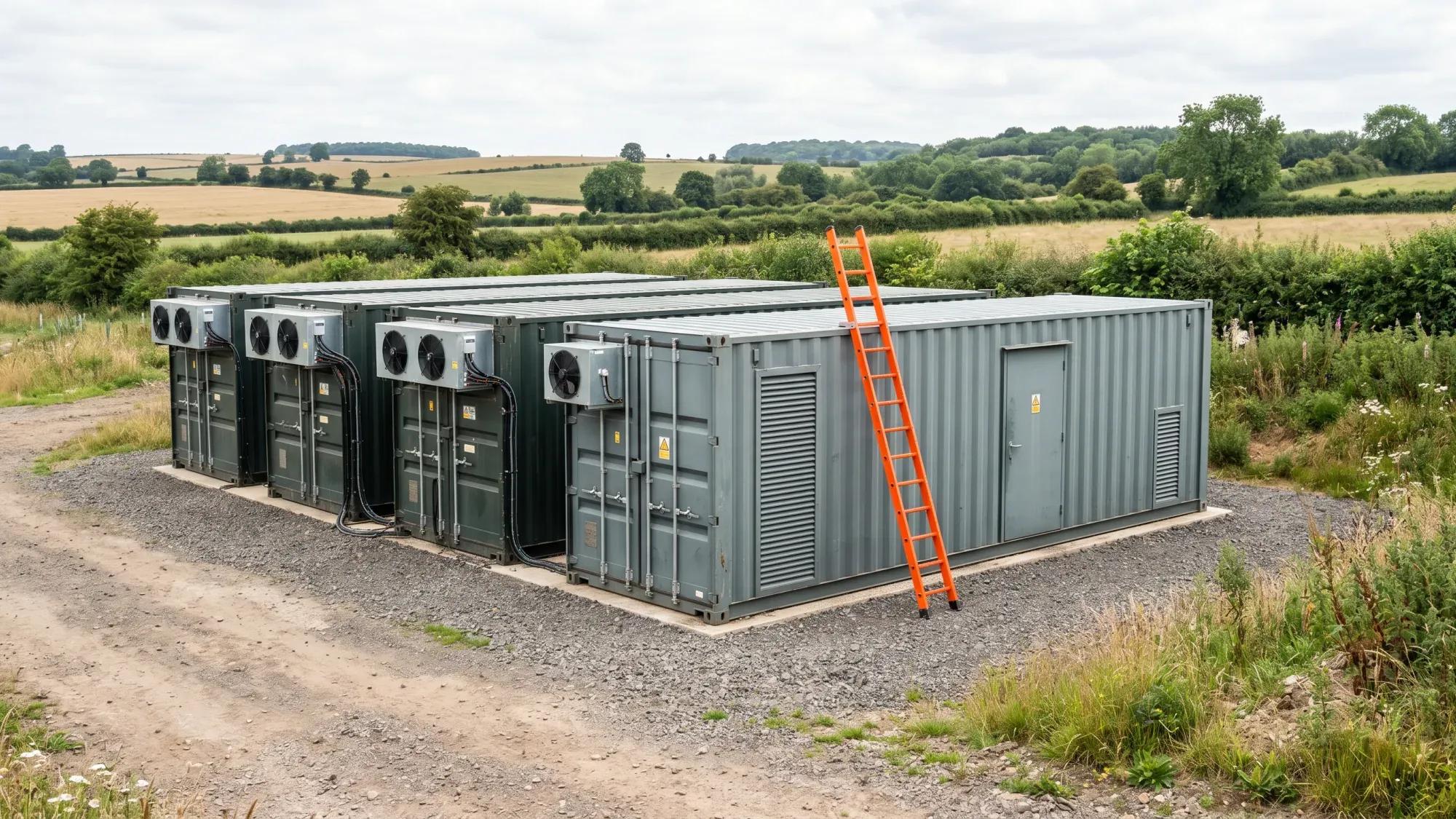
Long-duration energy storage (LDES) is crucial for building a future where energy is abundant and reliable. As the UK's energy landscape rapidly transitions towards renewable sources, integrating these intermittent technologies effectively becomes a necessity for grid stability and cost management. A significant step in this direction is a pioneering project at Keele University, trialling the UK's first domestically manufactured zinc-based LDES system1. This initiative marks a crucial development in bolstering the nation's energy security and resilience.
The Keele University ZincGel trial highlights the innovative steps being taken to secure the UK's energy future. At Fuse Energy, we're committed to making energy simple and transparent for your home, helping you understand and manage your usage effectively. Click here to switch to Fuse Energy today.
Enter your address to get a quote and see how much you could save
The UK's need for long-duration energy storage
The increasing integration of renewable energy sources like wind and solar into the UK grid presents both opportunities and challenges. While these sources are fundamental to achieving net-zero targets, their intermittent nature necessitates robust storage solutions to maintain grid balance.
Integrating intermittent renewables
Renewable energy generation fluctuates with weather conditions, meaning there are times of surplus generation and times when demand outstrips immediate supply. Without effective storage, this variability can lead to inefficiencies and grid instability. LDES technologies are designed to store energy for extended periods, bridging these gaps and ensuring a continuous power supply when renewable output is low. This capability is vital for maximising the value of renewable assets and reducing reliance on fossil fuel backup, contributing to a more stable UK energy grid.
The economic impact of curtailment
A direct consequence of insufficient energy storage is renewable energy curtailment, where clean power generation is deliberately reduced or switched off because the grid cannot accommodate it. This often happens when generation, particularly from wind farms in Scotland, exceeds transmission capacity to demand centres in England. The financial cost of this curtailment is substantial and growing. Government payments to curtail around 10TWh of surplus wind generation reached £1.46 billion in 2025, according to Offgrid Energy Labs, with industry forecasts suggesting the annual cost could escalate to £8 billion by 2030 without additional LDES solutions. These figures represent a significant burden on energy bills and highlight the urgent need for scalable storage solutions.
Pioneering innovation: the Keele University ZincGel trial
A groundbreaking pilot project at Keele University is set to demonstrate the potential of domestically manufactured LDES technology. This initiative is a collaboration between Keele University and Offgrid Energy Labs.
A domestically manufactured solution
The project involves the deployment of Offgrid Energy Labs' ZincGel system, which is the UK's first domestically manufactured zinc-based LDES system. The battery technology is produced at Offgrid Energy Labs' facility in Hook, Hampshire. This domestic manufacturing capability is a strategic advantage, reducing supply chain risks and fostering local economic growth within the UK's energy sector.
"The pilot is designed to show that the UK can manufacture long-duration batteries domestically, using a chemistry that needs no lithium, cobalt or nickel and no capex-heavy manufacturing infrastructure." — Tejas Kusurkar, Co-founder of Offgrid Energy Labs
Key objectives of the pilot project
The ZincGel system will be installed at Keele University's Low Carbon Energy Generation Park, which already generates up to 50% of the campus's electricity from two wind turbines. The pilot aims to assess the technology's ability to store approximately 1MWh of surplus renewable energy each month. Beyond energy storage, the project will evaluate the battery's performance, safety, and depth of discharge under real operating conditions, considering seasonal variations in renewable generation. The results are expected to support a proposal for a larger, multi-megawatt-hour ZincGel deployment at Keele, aimed at storing excess and curtailed renewable generation across the campus.
Advantages of zinc-based battery technology
The ZincGel technology offers distinct advantages, particularly in its material composition and manufacturing process, which address key concerns in the energy storage sector.
Avoiding critical minerals and supply chain risks
Unlike many conventional battery technologies, the ZincGel system uses zinc and bromine, deliberately avoiding critical minerals such as lithium, cobalt, and nickel. This approach significantly reduces reliance on volatile global supply chains and the geopolitical risks associated with sourcing these materials. By utilising more abundant and accessible materials, the technology enhances the UK's energy independence and security.
Scalability and manufacturing potential
The simpler manufacturing processes of ZincGel batteries, compared to lithium-ion alternatives, offer potential for scalability. This simpler production method, which does not require the capital-heavy manufacturing infrastructure associated with lithium-ion battery production, supports the potential for widespread domestic production.
LDES in the broader UK energy transition
The successful deployment and scaling of LDES technologies like ZincGel are integral to the UK's wider energy transition, impacting both national security and policy.
Bolstering energy security and resilience
Domestic manufacturing of LDES systems, especially those using non-critical minerals, directly contributes to the UK's energy security. It reduces vulnerability to international market fluctuations and supply disruptions, creating a more self-sufficient energy infrastructure. By enabling more efficient use of renewable generation, LDES also enhances the resilience of the grid against unexpected outages and demand spikes. This move towards localised production and diversified battery chemistries is a key component of a robust energy future.
Policy support and future outlook
The UK government recognises the critical role of LDES deployment in grid stability and the integration of new energy technologies. Projects like the Keele University trial are expected to provide crucial operational evidence that could inform future policy decisions and investment, potentially paving the way for broader grid-scale deployment and helping to mitigate the escalating costs of curtailment. Such innovations are key to the future of energy storage.
Fuse Energy's vision for an abundant future
Fuse Energy champions innovative long-duration energy storage projects like the Keele University trial as foundational steps towards building an abundant, resilient, and domestically secure energy system for the UK.
Rebuilding the energy system
Fuse Energy's mission is to rebuild the energy system from scratch, moving towards a future with plentiful power. Integrating intermittent renewables effectively is central to this vision, and LDES is a critical enabler. By supporting and observing cutting-edge projects, Fuse aligns with the goal of creating a vertically integrated energy system that can reliably meet demand with clean, sustainable sources.
Supporting UK innovation
We believe in never settling on the scarcity story. LDES directly counters this mindset by enabling efficient use of renewable generation, reducing waste, and fostering energy abundance. Highlighting pilot projects such as the Keele trial demonstrates the practical application and rigorous testing of advanced energy solutions that will underpin future energy systems. This commitment to operational evidence and rigour, alongside a focus on energy security and independence through domestic manufacturing, reflects Fuse's dedication to a transformative energy future.
Managing your home's energy should be straightforward and empowering. Fuse Energy is dedicated to providing clear pricing, real-time usage data through our app, and 24/7 human customer support, so you can take control of your energy bills. We believe in a future where energy is abundant, and we're building the systems to make that a reality. Click here to switch to Fuse Energy today. You can also learn more about our mission to transform the energy landscape by clicking here.
References
- Solar Power Portal. Offgrid Energy Labs, Keele University to trial UK-made zinc LDES system
Disclaimer
For the avoidance of doubt, this article is provided for informational purposes only and is not intended to constitute legal or financial advice. The author and/or Fuse Energy shall not be responsible for any losses arising out of any reliance on the information contained herein.