UK-Japan fusion energy
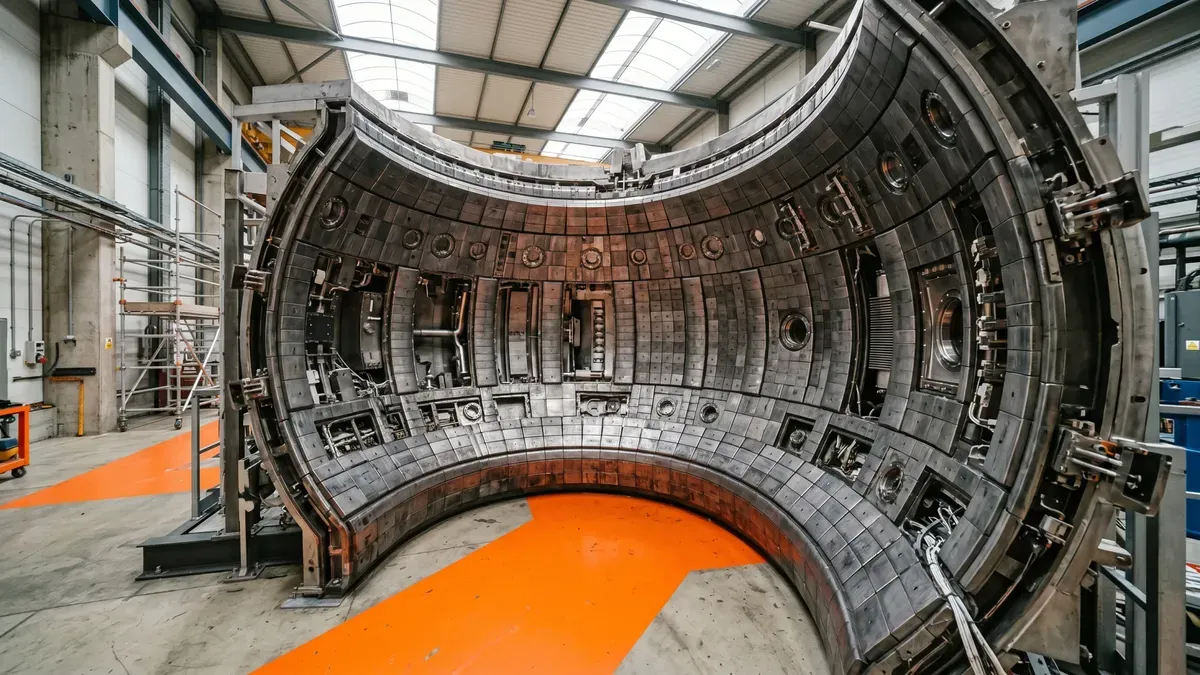
Many UK professionals, academics, and policymakers looking into UK-Japan fusion energy are keen to understand how this collaboration will impact the future of clean energy and Britain's role in it. The recent Memorandum of Cooperation (MoC) between the UK Atomic Energy Authority (UKAEA) and Japan's National Institutes for Quantum Science and Technology (QST) is a strategic move to accelerate the quest for virtually limitless clean energy.1 This partnership aims to combine world-leading expertise to tackle the monumental challenges of fusion, pushing us closer to a future where energy abundance is a reality, not just a dream.
Fuse Energy's mission is to deliver the abundant, clean energy the future requires. While our current focus is on rebuilding the energy system from the ground up with renewable sources, we recognise that nuclear fusion represents the ultimate horizon for truly limitless, clean power - the "future you imagined." The UK-Japan collaboration in fusion energy development is a vital step towards this shared vision, demonstrating the global effort required to unlock energy abundance. Click here to switch to Fuse Energy.
Enter your address to get a quote and see how much you could save
Deepening the UK-Japan fusion energy collaboration
The pursuit of fusion energy, often dubbed the holy grail of clean power, demands a global effort. No single nation can solve its complex scientific and engineering hurdles alone. This understanding underpins the deepening collaboration between the UK and Japan, two nations at the forefront of fusion research.
A strategic memorandum of cooperation
The latest Memorandum of Cooperation (MoC) between the UK Atomic Energy Authority (UKAEA) and Japan's National Institutes for Quantum Science and Technology (QST) marks a significant step in this international endeavour. Building on a previous agreement, this MoC establishes a robust framework for joint research, engineering development, and knowledge exchange. Its core aim is to accelerate fusion as a "safe, sustainable and secure energy source," fostering economic growth and industrial opportunities for both nations.
The global imperative for fusion energy
Fusion energy promises a virtually limitless, clean, and safe power source, offering a compelling answer to global energy challenges. Its development is a complex, long-term undertaking that necessitates significant international collaboration. Partnerships like the UK-Japan MoC are crucial for sharing expertise, resources, and infrastructure, thereby accelerating progress towards commercially viable fusion power. As Tim Bestwick, CEO of UKAEA, emphasised, "Fusion energy is a global challenge that requires international collaboration."
Britain's leadership and japan's expertise
Both the UK and Japan bring formidable strengths to the fusion energy landscape, making their collaboration particularly impactful.
Ukaea and qst: powerhouses of fusion research
The UK Atomic Energy Authority (UKAEA) stands as a world leader in fusion research. Similarly, Japan's National Institutes for Quantum Science and Technology (QST) are at the forefront of plasma science and fusion material research. This partnership unites two of the most advanced institutions in the field, creating a synergy that can drive innovation and overcome technical barriers more effectively.
"Britain is a world leader in the fusion industry, and the UKAEA working closely with international partners will help enable us to move ever closer to unlocking fusion's potential to provide virtually limitless clean energy." - Lord Vallance, Minister for Science, Innovation, Research and Nuclear
Shared vision for a sustainable energy future
The collaboration reflects a shared strategic vision for a sustainable energy future, where fusion power plays a central role in enhancing energy security and combating climate change. By combining their respective strengths, the UK and Japan aim to not only advance scientific understanding but also to translate research into tangible engineering solutions for future fusion power plants.
Key pillars of joint research and development
The MoC outlines specific areas of cooperation, ensuring a comprehensive approach to fusion energy development. This structured collaboration is designed to tackle the multifaceted challenges inherent in bringing fusion to commercial reality.
Advancing core fusion technologies
Joint research will focus on critical areas of fusion core technologies. This includes plasma science, which is fundamental to understanding and controlling the superheated matter essential for fusion reactions. Advances here are vital for improving the efficiency and stability of fusion devices.
Engineering for future fusion plants
Developing commercially viable fusion power plants requires sophisticated engineering. The partnership will pool expertise in fusion plant systems engineering, focusing on designing and integrating the complex components needed for a functional power station. This includes the development of advanced breeding blanket systems, crucial for fuel self-sufficiency.
Addressing fuel cycle, safety, and regulation
Beyond the core technology, the collaboration extends to the entire ecosystem of fusion power. Key areas include:
- Fuel Cycle: Research into the tritium fuel cycle, essential for sustainable fusion reactions.
- Safety: Developing robust safety protocols and systems for future fusion facilities.
- Regulation: Working towards international standards and regulatory frameworks to ensure safe and responsible deployment.
- Commercial Viability: Exploring the economic models and industrial pathways for bringing fusion power to market.
What is the primary goal of the UK-Japan fusion collaboration?
The primary goal is to accelerate the development of fusion energy as a safe, sustainable, and secure power source. This is achieved through joint research, engineering development, and knowledge exchange across critical areas, aiming to overcome technical and economic challenges for commercial viability.
The path to commercial fusion viability
While the scientific promise of fusion is immense, its commercialisation presents significant hurdles. The UK-Japan partnership is strategically positioned to address these challenges head-on.
Overcoming technical and economic challenges
Bringing fusion energy to market requires overcoming substantial technical and economic barriers. This includes developing materials that can withstand extreme conditions, optimising reactor designs for continuous operation, and reducing the overall cost of construction and operation. The shared resources and intellectual capital from this collaboration are intended to accelerate solutions in these complex domains.
Fostering industrial opportunities and workforce skills
The pursuit of fusion energy is not just a scientific endeavour; it's an industrial one. The collaboration aims to foster new economic growth and industrial opportunities in both countries. This includes developing a skilled workforce capable of designing, building, and operating future fusion power plants, as well as creating supply chains for advanced materials and components. Investment in fusion research today translates into high-tech jobs and industrial capabilities for tomorrow.
Fusion energy: a step towards abundant clean power
The UK-Japan collaboration represents a significant stride towards a future where energy is abundant, clean, and secure.
Enhancing UK energy security and global impact
For the UK, this partnership enhances energy security by diversifying future energy sources and positioning Britain at the forefront of a potentially transformative industry. By contributing to global fusion efforts, both nations are also making a profound impact on the worldwide transition to clean energy, offering a long-term solution to climate change and energy scarcity.
The long-term vision for limitless energy
The ultimate vision of fusion energy is a world powered by virtually limitless, clean electricity, free from the constraints of fossil fuels and their environmental impact. This collaboration is a testament to the global commitment to achieving that vision. While the path to commercial fusion is long, each partnership and every scientific breakthrough brings us closer to a future where energy abundance is a reality, enabling human flourishing and challenging scarcity mindsets.
Managing your home's energy should be straightforward and transparent. Fuse Energy offers clear pricing, real-time usage data through our app, and 24/7 human customer support to help you take control of your bills. We believe in a future of energy abundance, and we're building the infrastructure to make it a reality for your home today. Click here to switch to Fuse Energy and join us on our mission. You can also learn more about our vision for a sustainable energy future by visiting our mission page.
References
- UK Government. UK-Japan fusion partnership strengthened by UKAEA and QST.
Disclaimer
For the avoidance of doubt, this article is provided for informational purposes only and is not intended to constitute legal or financial advice. The author and/or Fuse Energy shall not be responsible for any losses arising out of any reliance on the information contained herein.