Britain's annual inflation rate saw an unexpected dip to 2.6% in June, down from 2.8% in May, primarily due to lower fuel prices. This offers an early boost to new Prime Minister Andy Burnham's efforts to tackle the cost-of-living crisis, according to official data1. However, analysts caution this relief is likely temporary, with higher inflation still anticipated.
Understanding how UK inflation impacts your household budget is crucial, especially with rising energy costs. Fuse Energy aims to provide clear pricing and real-time usage data, helping you manage your energy bills effectively. Click here to switch to Fuse Energy today.
The Consumer Prices Index (CPI) is the UK's primary measure of inflation, reflecting changes in the cost of goods and services over time. It is published monthly by the Office for National Statistics (ONS) and serves as a key indicator of economic health.
What is the consumer prices index (CPI)?
Recent trends in the UK inflation rate
The UK's annual inflation rate, as measured by the CPI, fell to 2.6% in June from 2.8% in May, the ONS said in a statement. This unexpected decrease marks a notable shift in the ongoing inflationary environment. However, this short-term improvement does not signal an end to the broader cost-of-living challenges facing UK households.
The role of fuel prices
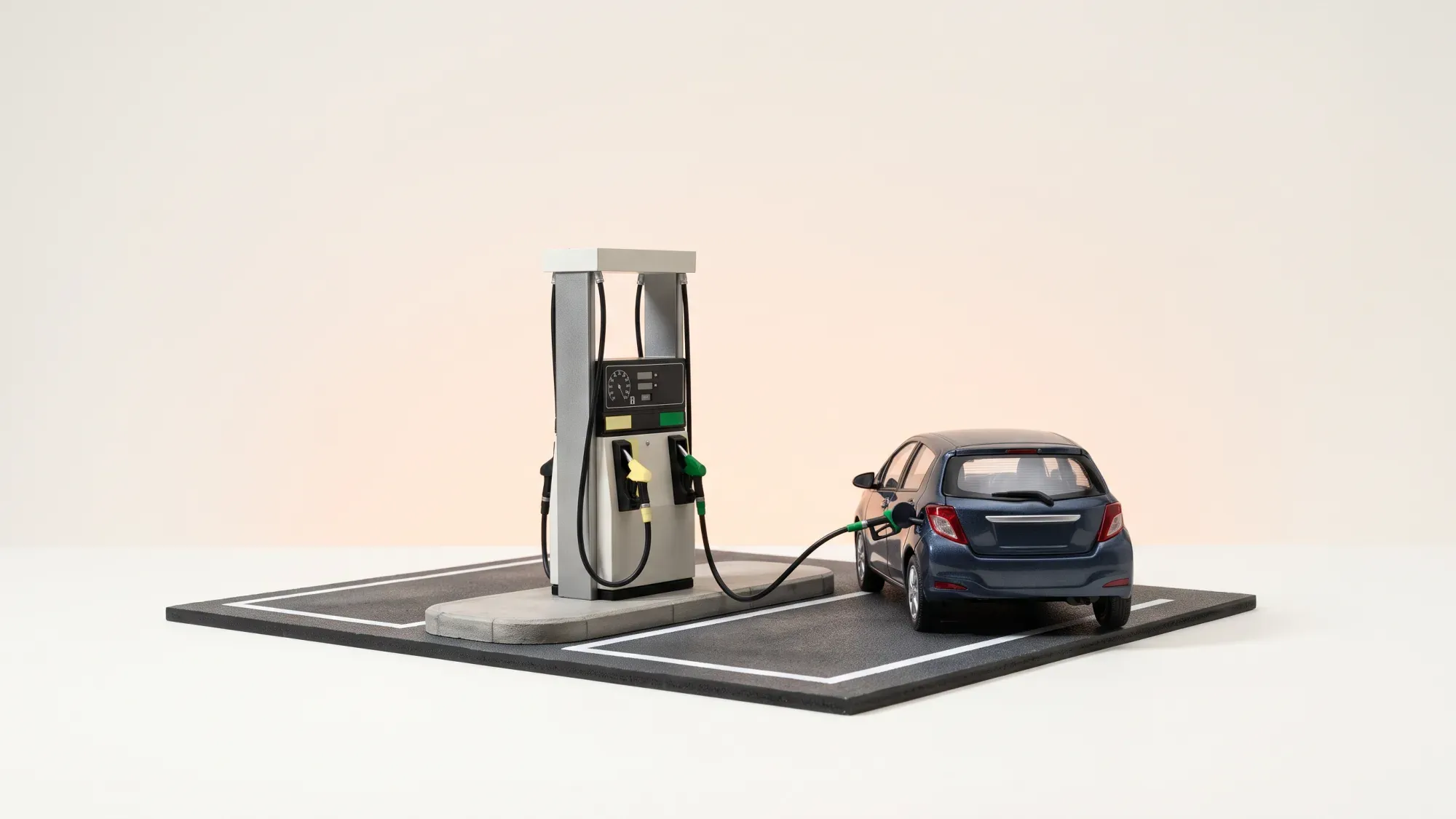
The primary factor behind June's inflation dip was a significant reduction in fuel prices. Lower costs at the pump directly impact the CPI, as transport expenses are a substantial component of the index. While this offers immediate relief for motorists, the volatility of global oil markets means such reductions can be fleeting.
Analyst outlook: is the dip sustainable?
Despite the recent fall, economic experts largely agree that the current dip in UK inflation is unlikely to last. Paul Dales, chief UK economist at Capital Economics, warned that "Higher inflation is still coming".
This sentiment is echoed by Matthew Ryan, head of market strategy at Ebury, who highlighted that geopolitical tensions and rising oil prices could quickly reverse any gains.
New Prime Minister Andy Burnham, who took office recently, has quickly introduced measures aimed at easing the burden of the cost-of-living crisis.
New policies from the Burnham administration
Among the key policies, the government plans to remove VAT from electricity bills starting October. This move is designed to directly reduce household energy costs. Additionally, single bus fares have been capped at £2, providing relief for commuters and encouraging public transport use. These measures demonstrate a clear focus on addressing immediate financial pressures on working people.
Statements from the finance minister
Newly appointed finance minister John Healey emphasised the government's commitment, stating, "Falling inflation is news families want to hear but there is much more to do to give people the breathing space they need". He added, "We have chosen to focus on the cost of living in our first week, signalling that concern for working people will be at the heart of everything we do".
Inflation's effect on purchasing power
Sustained inflation erodes the purchasing power of money, meaning that each pound buys less than it did before. Even with a temporary dip, the cumulative effect of rising prices over time can significantly strain household budgets, making it harder to afford everyday essentials and save for the future.
Connecting inflation to your energy costs
Energy bills remain a significant concern for many UK households. The average UK home uses around 2,500 kWh of electricity per year. While government measures like VAT removal on electricity bills offer some relief, global energy market fluctuations and the broader inflationary environment mean that managing energy consumption effectively is more important than ever.
Taking proactive steps to understand and control your energy usage can help mitigate the impact of inflation on your household finances.
Leveraging transparent pricing and usage data
Understanding exactly how much energy you use and what it costs is the first step. Tools that provide real-time usage data can empower you to make informed decisions about your consumption. Transparent pricing models also ensure you know what you're paying for, avoiding unexpected bill shocks.
Empowering your energy decisions
With greater visibility into your energy consumption, you can identify areas where you might reduce usage or shift it to off-peak times if you're on a variable tariff. This control allows you to adapt to changing energy prices and make choices that align with your budget.
Fuse Energy helps you combat rising costs by offering transparent pricing and tools to optimise energy use. By helping you manage energy costs effectively, Fuse frees up financial capacity, allowing you to focus on other aspects of your life rather than constant budgeting.
Managing your energy bills should be clear and easy to understand. Fuse Energy focuses on straightforward pricing, so you can see exactly what you're paying without unnecessary complexity. If you have a smart meter, you can view detailed usage data through the app or website, helping you understand how you can lower your bills. If you don't have a smart meter, Fuse Energy can upgrade your non-smart meter, completely for free. This can make it easier to track spending and make informed decisions about your energy use. Our 24/7 human support team is always on hand with fast response times of under 5 minutes whenever you need help. Click here to switch to Fuse Energy today. Find out about our mission by clicking here.