UK household renewable installations: record uptake in solar and battery storage
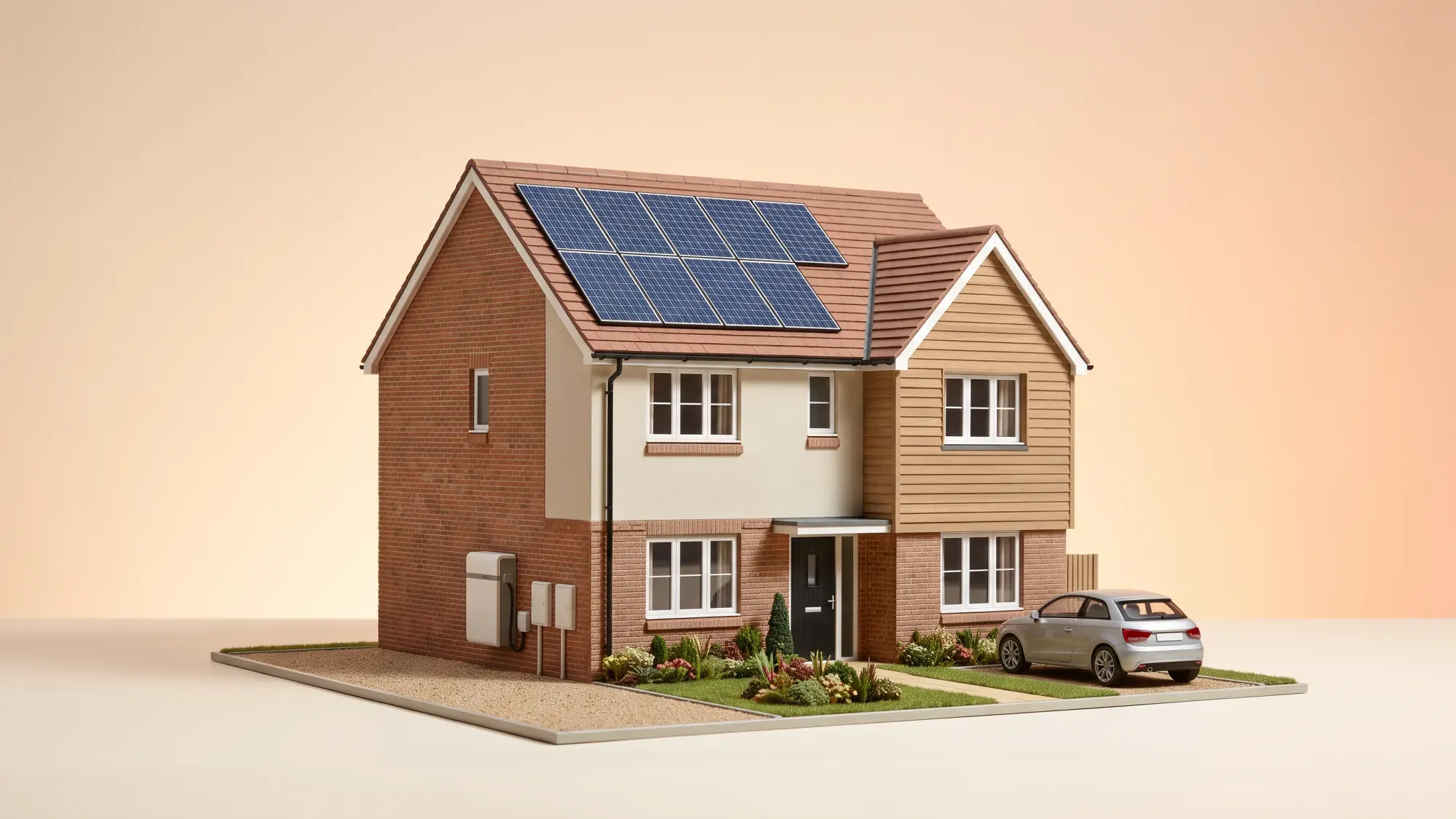
UK households are embracing renewable energy technologies at an unprecedented rate, with a record 210,000 certified installations completed between January and June 2026. This surge marks a 17% increase from the previous year, driven primarily by solar panels and battery storage systems1. Homeowners are increasingly combining these technologies to gain greater control over their energy use and achieve true energy independence.
The rise of home-grown energy: UK trends
The shift towards domestic renewable energy is accelerating across the UK, reflecting a growing desire among homeowners to manage their energy costs and contribute to a more sustainable future. This trend is evident in the latest installation figures, which highlight significant growth in key technologies.
Record growth in certified installations
Between January and June 2026, a record 210,000 certified renewable energy installations were completed in UK households, representing a 17% increase compared to the same period in the previous year. This equates to approximately one installation every 74 seconds. The Microgeneration Certification Scheme (MCS), the UK's quality assurance body for small-scale renewables, reported these figures, indicating a strong market for home-grown energy solutions.
Solar and battery leading the charge
Solar panels remain the dominant force in this renewable energy boom, accounting for nearly 150,000 certified installations in the first half of 2026. This marks a 14% increase on last year's record, putting the sector on track for another record-breaking year. Battery storage installations have also seen a dramatic rise, almost doubling to 36,000 in the same period. A significant 92% of these new battery installations were paired with solar panels, demonstrating a clear trend towards integrated energy systems.
Lisa Cooke, Managing Director at MCS, noted the growing confidence among homeowners:
"More and more households are gaining confidence in the benefits of home-grown energy, and the fact that many are now investing in multiple technologies is testament to this. As energy markets continue to be influenced by global events, we’re seeing more households than ever before turn to renewables and put their trust in MCS certified businesses." — Lisa Cooke, Managing Director at MCS
While solar and battery installations soared, heat pump installations saw a 17% decrease year-on-year during the first half of 2026. This highlights the ongoing need for government support schemes, such as the Boiler Upgrade Scheme, to encourage the adoption of low-carbon heating systems.
The role of new build properties
New build properties are playing an increasingly important role in the uptake of renewable technologies, contributing to 25% of all installations in 2026. This trend is particularly strong for solar, with an estimated 59% of new homes fitted with MCS certified solar panels in the first quarter of 2026. This reflects the industry's preparation for the Future Homes Standard, which aims to ensure new homes are highly energy efficient and incorporate low-carbon heating.
Key renewable technologies for your home
Choosing the right renewable technologies for your home is a strategic decision that can lead to substantial savings and increased energy independence. Understanding the benefits of each system is the first step towards a more empowered energy future.
Solar panels: harnessing the sun
Solar photovoltaic (PV) panels convert sunlight directly into electricity, providing a clean and sustainable power source for your home. They are a popular choice for UK homeowners looking to reduce their reliance on grid electricity and lower their energy bills. The economic case for solar has strengthened, making it an attractive investment for many.
Battery storage: maximising self-consumption
Battery storage systems allow you to store excess electricity generated by your solar panels for use when the sun isn't shining, such as in the evenings or during periods of high demand. This maximises your self-consumption of home-grown energy, reducing the amount you need to import from the grid and potentially allowing you to sell surplus energy back at favourable rates. The 0% VAT rate on battery installations, active until March 2027, further enhances their financial appeal.
Heat pumps: efficient low-carbon heating
Heat pumps offer an efficient, low-carbon alternative to traditional fossil fuel boilers for heating your home and hot water. They extract heat from the air, ground, or water, even at low temperatures, and transfer it into your home. While installation figures saw a dip in early 2026, government schemes like the Boiler Upgrade Scheme are crucial for supporting their wider adoption.
The power play: combining technologies for energy resilience
The real advantage in today's energy market comes from integrating multiple renewable technologies. This strategic approach transforms your home into a resilient energy hub, giving you unparalleled control and independence.
Why integrate your home energy systems?
Combining renewable energy systems, such as solar panels with battery storage, creates a more efficient and robust energy solution for your home. Instead of relying on individual technologies in isolation, an integrated system allows components to work together seamlessly, optimising energy generation, storage, and consumption. This approach significantly enhances energy resilience, protecting you from market volatility and potential power outages.
Solar-battery combinations: a smart move
Pairing solar panels with battery storage has become a standard for UK homeowners seeking to maximise their energy savings and independence. This combination allows you to capture solar energy during the day and use it throughout the evening, drastically reducing your reliance on grid electricity. It's a strategic move that turns your home into a mini power station, enabling you to buy electricity when it's cheap and plentiful, store it, and then use it when prices are higher.
Achieving energy independence
By generating, storing, and intelligently managing your own energy, you move closer to true energy independence. This means less vulnerability to fluctuating energy prices and a reduced carbon footprint. It's about taking control and making your home a self-sufficient power player in the energy market.
Navigating the installation process: certification and support
Embarking on a renewable energy installation journey requires careful planning and choosing the right partners. Certification and expert support are key to a successful and stress-free experience.
Understanding MCS certification
The MCS is a crucial quality assurance scheme for renewable energy technologies and installers in the UK. MCS certification ensures that products meet high standards and that installers are competent and adhere to best practices. Choosing an MCS certified installer is vital for consumer protection and often a prerequisite for accessing government grants and incentives, such as the Boiler Upgrade Scheme.
Choosing a reputable installer
When selecting an installer, prioritise those with MCS certification. A reputable installer will provide clear, detailed quotes, explain the best options for your property, and guide you through the entire process, from initial assessment to post-installation support. They should also be transparent about costs, timelines, and any potential grant eligibility.
What to expect during installation
The installation process typically involves an initial property assessment, system design, and then the physical installation of the chosen technologies. For solar panels, this includes mounting the panels on your roof and connecting them to an inverter. Battery storage units are usually installed in a garage or utility room. A certified installer will ensure all work is carried out safely and efficiently, with minimal disruption to your home.
Financial incentives and long-term savings
Investing in home renewables is a powerful financial decision, offering significant long-term savings and access to government support.
Government schemes: Boiler Upgrade Scheme and more
Several government initiatives are in place to help homeowners transition to low-carbon heating. The Boiler Upgrade Scheme (BUS) provides grants to households in England and Wales to help with the cost of installing heat pumps and biomass boilers. As of July 2026, grants for heat pumps can be up to £7,500, with an increased £9,000 available for those replacing heating oil systems. These schemes play a vital role in making renewable heating more accessible.
Reducing your energy bills
One of the most compelling benefits of installing renewable energy systems is the potential for substantial reductions in your energy bills. By generating your own electricity with solar panels and storing it with batteries, you significantly decrease the amount of energy you need to buy from the grid. This not only saves money but also provides a buffer against future energy price increases. Chris Hewett, Chief Executive of Solar Energy UK, highlighted this benefit:
"While energy costs continue to hit the headlines, it is no surprise that so many more homes are having solar panels and battery energy storage fitted. They slash bills and installations are quick and simple to complete. Moreover, every solar home helps to push gas off the grid, cutting bills for us all." — Chris Hewett, Chief Executive of Solar Energy UK
Boosting property value
Beyond immediate savings, installing renewable energy systems can also increase the value of your property. Homes with integrated solar panels, battery storage, and heat pumps are often more attractive to buyers due to lower running costs and a reduced environmental footprint. This makes your investment a smart choice for both your finances and your home's future marketability.
The future of UK home renewables
The landscape of home renewables in the UK is continuously evolving, with new standards and technologies shaping a more sustainable and energy-independent future for homeowners.
Evolving standards: the future homes standard
The Future Homes Standard, set to come into effect from 2025, will significantly impact new build properties. It aims to ensure that new homes produce 75-80% less carbon emissions than those built under current regulations, largely by mandating low-carbon heating and encouraging renewable integration. This will make renewable energy systems a standard feature in new homes, further accelerating their adoption.
The path to a sustainable home
The journey towards a sustainable home is an ongoing one, with advancements in technology continually offering new opportunities for efficiency and control. From smart energy management systems that optimise usage to more efficient heat pumps and higher-capacity batteries, the options for creating a truly green home are expanding. This path not only benefits the environment but also empowers homeowners with greater financial stability and peace of mind.
Empowering homeowners with energy control
The ultimate goal of home renewables is to empower homeowners with complete control over their energy. By combining technologies like solar, battery storage, and smart energy management, you can move away from passive energy consumption to an active "power play." This strategic shift allows you to generate, store, and use energy on your terms, providing abundance and freedom from energy anxiety. Fuse Energy supports homeowners on this journey by providing energy supply, smart tariffs, and app tools for existing solar and battery installations, and can install EV chargers to complete your home energy setup, all backed by 24/7 human customer support.
References
- Renewable Energy Magazine. Record number of UK households combining renewables
Disclaimer
For the avoidance of doubt, this article is provided for informational purposes only and is not intended to constitute legal or financial advice. The author and/or Fuse Energy shall not be responsible for any losses arising out of any reliance on the information contained herein.