Heat pump grant rises to £9,000 for heating oil homes
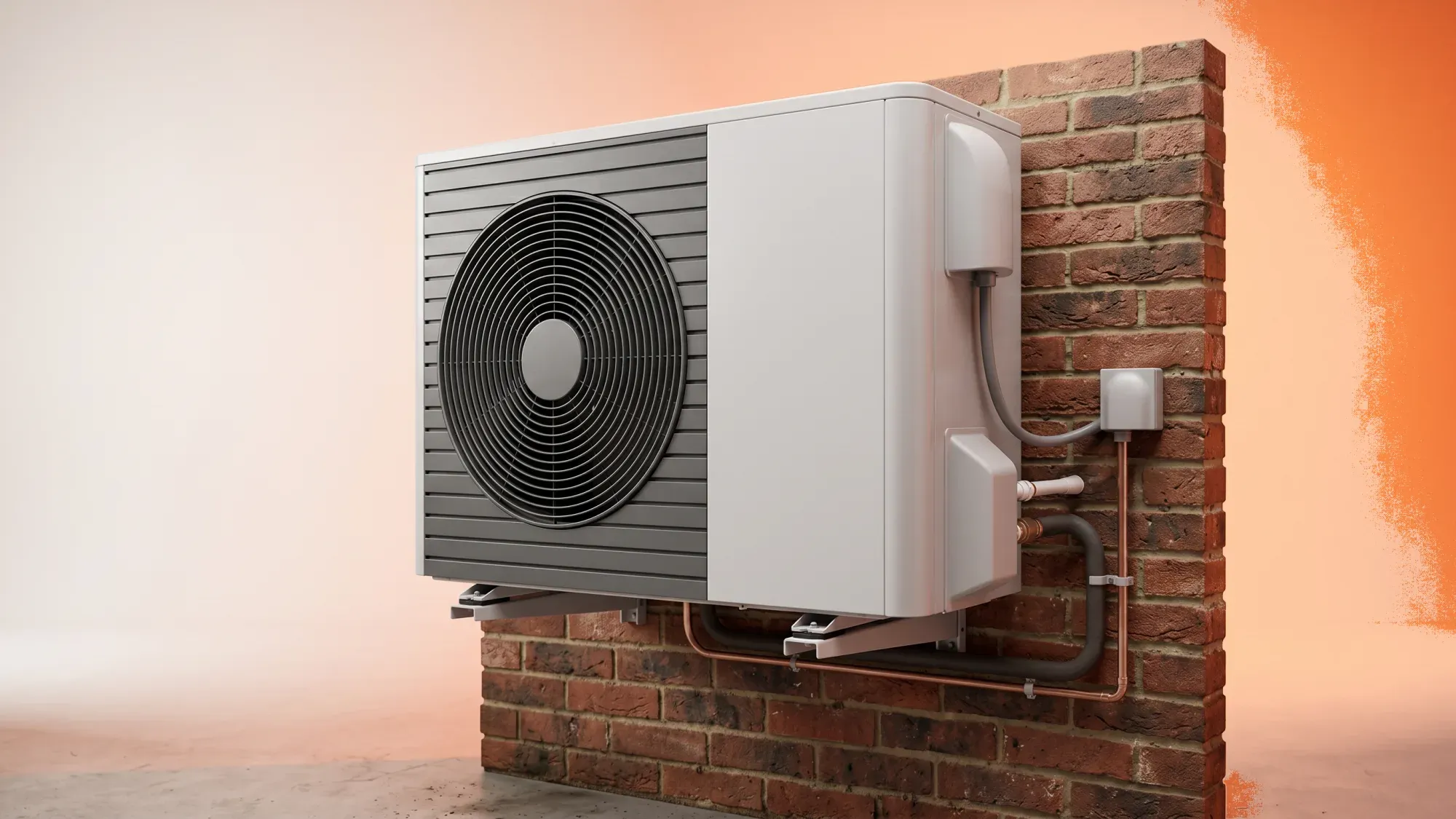
Households in England and Wales that switch from heating oil to a heat pump will be eligible for a £9,000 grant from 21 July 20261. This marks a 20% increase on the current £7,500 available through the UK government’s Boiler Upgrade Scheme (BUS). This enhanced funding is specifically designed to support mostly rural households that rely on heating oil systems. These homes are particularly vulnerable to volatile fossil fuel markets as they are not protected by Ofgem's energy price cap.
UK government minister for energy consumers, Martin McCluskey, noted that the Middle East war "has hit households on heating oil especially hard." He added that "The BUS will help thousands of families across England and Wales switch to clean heat to protect them from volatile fossil fuels". Securing a heat pump grant is a strategic move for homeowners, offering greater control over their energy future and reducing reliance on unpredictable fossil fuels.
Understanding the Boiler Upgrade Scheme (BUS)
The BUS is a core UK government initiative aimed at encouraging the adoption of low-carbon heating systems, such as heat pumps, in England and Wales. Administered by the Department for Energy Security and Net Zero (DESNZ), the scheme provides upfront capital grants to help homeowners transition away from fossil fuel heating.
What is the BUS?
The BUS launched in May 2022, offering financial incentives to replace existing fossil fuel heating systems with cleaner alternatives like air source and ground source heat pumps. The grant is applied directly to your installer's invoice, meaning you pay a reduced amount upfront.
Recent changes: £9,000 for heating oil households
From 21 July 2026, the grant for households switching from heating oil to a heat pump will increase from £7,500 to £9,000. This uplift is a targeted measure for homes that use heating oil, which are often in rural areas and lack the protection of the energy price cap, leaving them exposed to significant market fluctuations. Gas-heated homes continue to qualify for the standard £7,500 grant.
BUS achievements and impact
Since its inception in May 2022, the BUS has processed 130,988 voucher applications by May 2026. Over £560 million has been paid out through grants in its first four years. The BUS subsidy programme has a budget of £400 million for the 2026/27 financial year, with funding confirmed until at least 2029/30.
Eligibility for UK heat pump grants
To benefit from the BUS, your property and proposed heating system must meet specific criteria. Understanding these requirements is crucial before embarking on the application process.
Property and system requirements
The BUS is available for properties in England and Wales. You must own the property, whether as a homeowner or landlord, and your current heating system should be fossil fuel-based (such as gas, oil, LPG, or coal) or an electric heating system. The property must not already have a heat pump installed, and new-build properties are generally excluded, with some exceptions for self-builds.
What type of properties are eligible for the BUS?
The BUS is open to homeowners and landlords in England and Wales. Eligible properties must be existing domestic or small non-domestic buildings, replacing a fossil fuel or electric heating system with a new heat pump. New builds are typically excluded, except for certain self-build projects.
MCS certified installers: a key requirement
A mandatory requirement for grant eligibility is that your heat pump installation must be carried out by an MCS (Microgeneration Certification Scheme) certified installer. MCS sets standards for low-carbon technology products and the contractors who install them, ensuring quality and adherence to industry standards. Installers who are MCS certified can apply for the BUS voucher on your behalf.
Who is not covered by the scheme?
The scheme does not cover properties in Scotland or Northern Ireland, as they have their own separate initiatives. Social housing is generally excluded, as are new builds developed by companies (again, with self-build exceptions). Properties with existing low-carbon heating systems are also not eligible.
How to apply for the Boiler Upgrade Scheme
The application process for the BUS is designed to be straightforward, with your chosen installer managing most of the administrative steps.
The application process explained
The first step is to verify that your property and proposed heat pump system meet the BUS eligibility criteria. Next, you should obtain quotes from several MCS certified installers for your heat pump installation.
Working with your installer
Once you agree on an installation plan and a quote, your chosen MCS certified installer will apply for the BUS voucher on your behalf through the Ofgem website. The value of the grant will be deducted from your total installation cost, and this will be reflected in your quotation and invoice. Ofgem may contact you to confirm that the installer is acting on your behalf or to conduct checks on the installation.
Voucher redemption and installation
After the heat pump is installed and commissioned, the installer claims the grant, and your final invoice will show the reduced amount. It's important to ensure the heat pump is installed and commissioned correctly to maximise its efficiency and performance.
The financial and energy benefits of heat pumps
Transitioning to a heat pump offers significant financial and energy benefits, particularly for households currently relying on volatile fossil fuels.
Reducing reliance on volatile fossil fuels
For heating oil households, the move to a heat pump provides a crucial shield against unpredictable market fluctuations. Unlike gas, heating oil prices are not regulated by Ofgem's price cap, leaving consumers exposed to global events and supply chain issues. By electrifying your heating, you gain greater certainty over your energy bills.
Long-term savings and energy independence
While the upfront cost of a heat pump can be substantial, the long-term savings through lower running costs and improved energy efficiency can be significant. Heat pumps are highly efficient, converting ambient heat into usable warmth for your home. This transition represents a power play for homeowners, moving towards energy independence and away from the "scarcity story" of rationing energy.
Environmental advantages
Beyond the financial benefits, heat pumps contribute to a cleaner energy future by reducing carbon emissions from domestic heating. They use electricity, which is increasingly generated from renewable sources, aligning with the UK's net zero targets.
Addressing heat pump performance and installation costs
While the grants make heat pumps more accessible, understanding the full financial picture and ensuring optimal performance are key.
Average installation costs and recent trends
The DESNZ reports a 10% inflation-adjusted fall in average air-to-water heat pump installation costs since 2023, now averaging £13,100 in the first quarter of 2026. Ground source heat pumps typically have a higher median cost, around £27,352. These figures are before the grant is applied.
Optimising heat pump efficiency: beyond the install
Concerns persist regarding real-world heat pump performance, with average seasonal performance factors (SPFs) often lower than optimal. While a well-designed system can achieve SPFs of around 3.86, the UK government's Electrification of Heat trial found averages closer to 2.81. This gap highlights the importance of proper installation and commissioning.
Importance of proper commissioning
Poor commissioning is a potential culprit for suboptimal heat pump performance. Correct commissioning ensures the system is set up to run as efficiently as possible, maximising its output and your savings. This includes proper sizing, system balancing, and controls optimisation. Fuse aims to help homeowners monitor and optimise their heat pump's performance through its smart app and integrations, ensuring their investment delivers true capability.
The future of home heating in England and Wales
The shift towards heat pumps is a crucial component of the UK's broader energy transition, driven by government policy and a commitment to net zero.
Government policy and net zero targets
The BUS is part of the UK's strategy to reduce carbon emissions from domestic heating and achieve net zero targets. The government has confirmed funding for the BUS until at least 2029/30, indicating a long-term commitment to low-carbon heating. Other initiatives, such as the Social Housing Fund, are also boosting the deployment of clean energy technologies.
Expanding access to clean heat
The increased grant for heating oil homes demonstrates a focus on making clean heat accessible to a wider range of households, particularly those most exposed to energy market volatility. This expansion helps to ensure that the benefits of low-carbon heating are not limited to those on the gas grid.
Making a power play for your home energy
Transitioning to a heat pump with grant support is a significant "power play" for homeowners. It allows you to move beyond the "scarcity story" of volatile fossil fuels and embrace abundant, clean heat. Fuse supports this transition by providing a future-proof energy supply that complements low-carbon heating systems like heat pumps, helping to deliver terawatt-hours of the cheapest, cleanest energy possible.
References
Disclaimer
For the avoidance of doubt, this article is provided for informational purposes only and is not intended to constitute legal or financial advice. The author and/or Fuse Energy shall not be responsible for any losses arising out of any reliance on the information contained herein.