Heat pumps: gamble or smart investment?
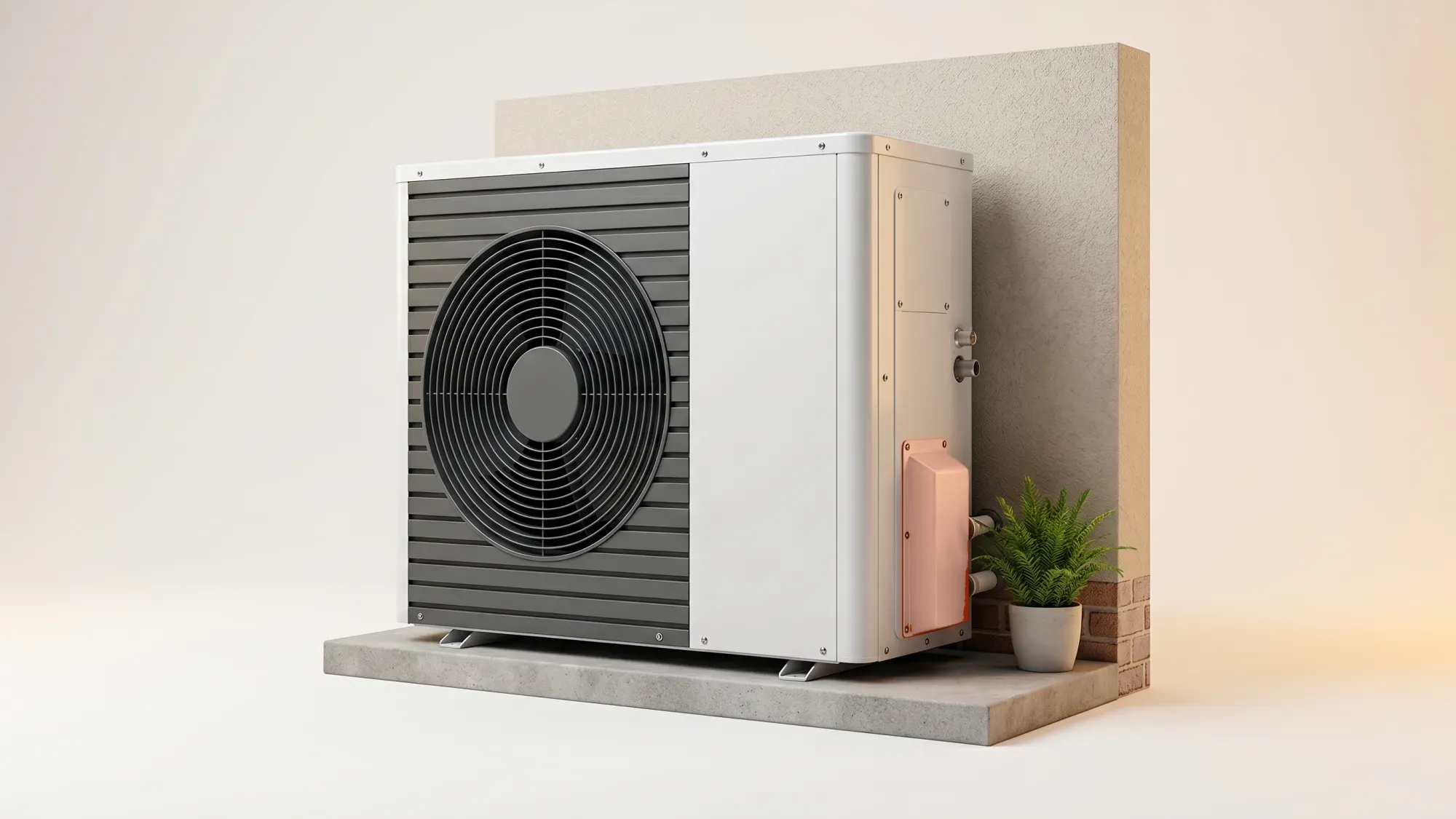
Many UK homeowners considering heat pumps face a crucial question: is this a sensible choice for my home, or a "high stakes gamble"? Consumer group Which? highlights significant apprehension, not just about upfront costs, but also concerns over future energy bills, home warmth, and property resale value1. The installation market can feel like a "Wild West" due to inconsistent advice and unreliable installers, making homeowners hesitant to adopt the technology. Despite government grants and potential long-term savings, psychological barriers are hindering wider adoption.
This guide aims to provide clear, data-backed insights to help you understand heat pumps, address your concerns, and navigate the path to a cleaner, more efficient home heating system.
Addressing the "high stakes gamble" perception
The transition to low-carbon heating is crucial for the UK's climate targets, yet for many homeowners, installing a heat pump feels like a leap of faith. This apprehension stems from several practical and psychological barriers.
Why UK homeowners are apprehensive
Homeowners are rightly concerned about the financial implications and practicalities of switching to a heat pump. Upfront installation costs are a significant hurdle, but worries extend beyond this to future energy bills, ensuring their home remains warm, and even the impact on property resale value. There is also a perceived lack of "tried and tested" reassurance for the technology, coupled with unfamiliarity around schemes like the Microgeneration Certification Scheme (MCS). These factors combine to create a sense of uncertainty, making homeowners hesitant to invest.
The wild west of heat pump installation
The heat pump installation market has been described as a "Wild West" due to inconsistent advice and unreliable installers. This makes it difficult for homeowners to trust the process and find qualified professionals. Which? is urging the government to make heat pumps a "straightforward, safe and affordable option" for the public. Sue Davies, Which? head of consumer protection policy, stated: "To support consumers considering a heat pump the Government needs to ensure they are a straightforward, safe and affordable option". The Department for Energy Security and Net Zero (DESNZ) acknowledges record demand and plans to enhance consumer protections, recognising the need for a more reliable market.
How heat pumps work and their efficiency
Heat pumps are a crucial low-carbon heating technology for decarbonising UK homes. Unlike traditional boilers that burn fuel to generate heat, heat pumps move existing heat from one place to another. Think of it like a fridge in reverse: instead of extracting heat from inside to keep food cold, a heat pump extracts heat from the environment (air or ground) and transfers it into your home.
A heat pump uses a small amount of electricity to run a compressor, which circulates a refrigerant. This refrigerant absorbs heat from the outside air or ground, even at low temperatures, and then releases it into your home's heating system.
Air source vs ground source heat pumps
There are two primary types of heat pumps:
- Air Source Heat Pumps (ASHPs): These extract heat from the outside air. They are generally easier and less disruptive to install, making them a popular choice for many UK homes. They can work effectively even when outdoor temperatures drop below freezing.
- Ground Source Heat Pumps (GSHPs): These extract heat from the ground using buried pipes. While typically more efficient and stable in performance due to consistent ground temperatures, they require more extensive excavation for installation, which can be costly and disruptive.
Eligible air source heat pumps, such as the Vaillant aroTHERM plus, suit a wide range of UK properties. Choose an MCS and TrustMark certified installer. They should handle planning approvals, DNO applications, paperwork, installation and final checks.
Understanding seasonal performance factor (SPF)
The efficiency of a heat pump is measured by its Seasonal Performance Factor (SPF). This is an average measure of how efficiently the heat pump converts electricity into heat over an entire heating season. An SPF of 3 means that for every 1 unit of electricity consumed, the heat pump generates 3 units of heat. The higher the SPF, the more efficient the heat pump, leading to lower running costs. Factors like your home's insulation, radiator size, and the heat pump's design and installation all influence its SPF.
Costs, grants, and running expenses
Understanding the financial aspects of heat pump ownership is key to moving past the "gamble" perception. While upfront costs can be substantial, government support and long-term savings can make them a sound investment.
Upfront installation costs in the UK
The initial cost of installing a heat pump in the UK can vary widely and can be a significant investment. This includes the unit itself, installation, and any necessary upgrades to your existing heating system, such as new radiators or a hot water cylinder. These costs are a major concern for homeowners, as highlighted by Which?.
Government grants: the Boiler Upgrade Scheme (BUS)
To help homeowners with these costs, the UK government offers grants through schemes like the Boiler Upgrade Scheme (BUS). This scheme provides financial support to homeowners in England and Wales to reduce the cost of installing low-carbon heating systems, including air source heat pumps.
What is the Boiler Upgrade Scheme (BUS)?
The Boiler Upgrade Scheme (BUS) provides grants to help homeowners in England and Wales reduce the cost of installing low-carbon heating systems like heat pumps. Eligible households can receive £7,500 towards the cost of an air source heat pump. Homeowners apply directly for these grants, which then reduce the overall cost of installation.
It is important to note that homeowners are responsible for directly applying for government grants like the Boiler Upgrade Scheme. The grant application process is managed by the homeowner.
Heat pump running costs and savings
While the upfront cost is a factor, the long-term running costs of a heat pump can be significantly lower than traditional fossil fuel boilers, especially when considering energy efficiency. Heat pumps are highly efficient, converting one unit of electricity into several units of heat. This efficiency, combined with a well-insulated home, can lead to substantial savings on your energy bills over time. Smart tariffs, which offer cheaper electricity during off-peak hours, can further reduce running costs by allowing the heat pump to operate when energy is cheapest.
Choosing a reliable installer and ensuring quality
Navigating the heat pump installation market can feel daunting, particularly given the "Wild West" perception. However, choosing the right installer is paramount to ensuring your system performs efficiently and reliably.
The importance of MCS certification
The Microgeneration Certification Scheme (MCS) is a quality assurance scheme that certifies both renewable energy products and installers in the UK. For homeowners, MCS certification is vital for several reasons:
- Quality Assurance: It ensures that the heat pump product meets recognised standards and that the installation is carried out to a high quality.
- Grant Eligibility: Crucially, your heat pump installation must be MCS certified to be eligible for government grants like the Boiler Upgrade Scheme.
- Consumer Protection: MCS-certified installers adhere to a code of conduct, offering a layer of protection and recourse should issues arise.
Homeowners often worry about the unfamiliarity of schemes like MCS, but understanding its role is a key step in making an informed decision.
What trustmark registration means for you
TrustMark is a government-endorsed quality scheme that covers work carried out in and around the home. When an MCS-certified installer is also TrustMark registered, it provides an additional layer of consumer protection. TrustMark ensures that firms meet high standards of technical competence, customer service, and trading practices. This means you can have greater confidence in the professionalism and reliability of your chosen installer.
Navigating the installer market
To avoid the pitfalls of inconsistent advice and unreliable installers, follow these steps:
- Assess Suitability: Ensure your home is suitable for a heat pump, considering insulation and existing heating systems.
- Research Types: Understand the different types of heat pumps and their efficiency.
- Get Multiple Quotes: Obtain several quotes from MCS-certified and TrustMark-registered installers.
- Understand Grants: Familiarise yourself with grant eligibility and the application process.
- Review Design and Warranty: Carefully check the proposed system design, expected running costs, and comprehensive warranty information.
- Ensure Proper Handover: Confirm proper installation, commissioning, and a thorough handover from your certified installer.
Long-term benefits and property value
Beyond the immediate concerns, investing in a heat pump offers significant long-term advantages for both your home and the environment.
Decarbonising your home and reducing your carbon footprint
Heat pumps are a key component of an abundant energy future, offering enhanced home comfort and sustainability. By switching from a fossil fuel boiler to a heat pump, you significantly reduce your home's carbon emissions, contributing directly to the UK's climate targets. This move aligns your home with clean heating technology and helps decarbonise UK homes, playing a vital role in combating climate change.
Impact on property resale value
While some homeowners worry about property resale value, a heat pump can be an attractive feature for potential buyers. As energy efficiency becomes increasingly important, homes with modern, low-carbon heating systems are likely to be more appealing. An energy-efficient home can lead to lower running costs, a major selling point in today's market, potentially increasing your property's value and marketability.
Future-proofing your home heating
Installing a heat pump future-proofs your home against rising fossil fuel prices and evolving environmental regulations. As the UK moves towards net zero, traditional gas boilers are being phased out. A heat pump ensures your home heating system is aligned with future energy policies, providing a sustainable and reliable solution for years to come. It is an investment in energy independence and long-term comfort.
Making an informed decision
The journey to adopting a heat pump does not have to be a high stakes gamble. By understanding the technology, navigating the market with confidence, and leveraging available support, you can transform apprehension into a confident, informed investment.
Overcoming psychological barriers
The "psychological barriers" hindering heat pump adoption can be overcome with clear, trustworthy, and jargon-free information. By demystifying the technology and installation process, homeowners can move past fears about costs, performance, and reliability. It is about seeing a heat pump not as a risk, but as a strategic upgrade that enhances comfort, reduces environmental impact, and adds long-term value to your home.
Your path to a sustainable home
Making an informed decision about a heat pump involves careful research and choosing reliable partners. By focusing on MCS-certified installers, understanding the Boiler Upgrade Scheme, and assessing your home's specific needs, you can confidently transition to a low-carbon heating system. This path leads to a more sustainable, comfortable, and future-ready home, aligning with the vision of accessible, clean, and affordable energy.
References
- The Independent. Heat pumps: Installation costs, energy bills and Which? concerns
Disclaimer
For the avoidance of doubt, this article is provided for informational purposes only and is not intended to constitute legal or financial advice. The author and/or Fuse Energy shall not be responsible for any losses arising out of any reliance on the information contained herein.