UK grid infrastructure development
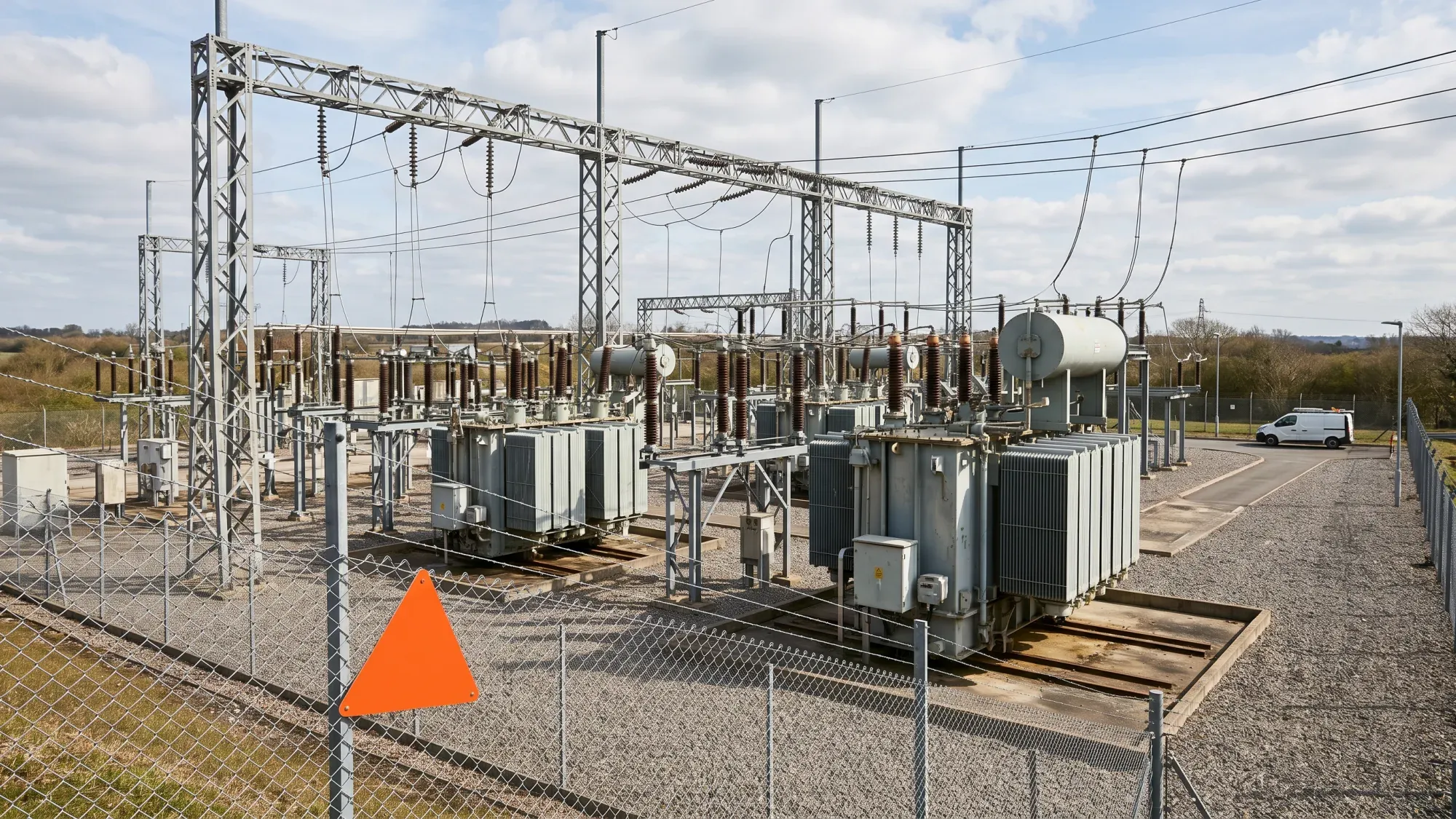
The UK's electricity grid, a vital national asset, is undergoing a profound transformation. Originally conceived for a different era of centralised, fossil-fuel-based generation, it now faces the urgent task of adapting to a future powered by distributed renewable energy sources. This article explores the current state, key drivers, and strategic imperatives shaping the future of UK grid infrastructure development, including recent energy sector investments and the Hanab acquisition news.
A robust grid is fundamental to delivering the abundant, clean energy the future requires. Discover how Fuse Energy is committed to this vision and how you can be part of a smarter energy future and switch in here.
Enter your address to get a quote and see how much you could save
The evolving landscape of UK electricity grid infrastructure
The UK electricity grid is at a critical juncture, navigating the demands of decarbonisation and increasing energy needs. Its historical design now presents both limitations and opportunities for innovation.
Historical context and current limitations of the UK electricity grid
The UK's electricity network was primarily built in the mid-20th century, optimised for large, conventional power stations feeding electricity outwards to consumers. This architecture, while effective for its time, struggles with the bidirectional flow and intermittent nature of modern renewable generation. The existing transmission and distribution networks were not designed to handle the vast, distributed power flows from wind farms, solar arrays, and battery storage facilities, leading to bottlenecks and grid connection delays.
Drivers for modernisation: decarbonisation and growing demand
The imperative to modernise the grid is driven by ambitious decarbonisation targets. This goal necessitates substantial upgrades and reinforcement of the grid infrastructure to integrate new energy sources and manage increasing demand. Growing electricity consumption from electric vehicles, heat pumps, and data centres further compounds the need for a more resilient and flexible network. The shift towards electrification across various sectors is a significant UK energy growth trend, requiring substantial grid infrastructure investment.
The role of high-voltage and extra-high-voltage networks
High-voltage (HV) and extra-high-voltage (EHV) networks are the backbone of the National Grid, responsible for transmitting large amounts of power over long distances. Reinforcing these networks is crucial for connecting major renewable energy projects, such as offshore wind farms, to demand centres. Companies like Hanab Energy Solutions, known for delivering complex energy infrastructure projects up to 380kV, play a critical role in developing these high-capacity transmission lines, which are essential for the UK's energy transition projects.
Key challenges in UK grid infrastructure development
Modernising the UK grid is not without its hurdles. Integrating new technologies and managing complex regulatory frameworks present significant challenges.
Connecting renewable energy, battery storage, and data centres
One of the most pressing challenges is the efficient connection of new clean energy projects, battery storage facilities, and data centres to the grid. The sheer volume of new connection requests has led to extensive queues and delays, hindering the pace of decarbonisation. Each renewable energy connection, battery storage connection, and data centre connection requires careful planning and significant infrastructure upgrades to ensure grid stability and capacity.
What is the Great Grid Upgrade?
The Great Grid Upgrade is National Grid's plan to modernise and reinforce the UK's electricity transmission network. It involves building new power lines, substations, and other infrastructure to connect more renewable energy, improve grid reliability, and support the UK's net-zero targets.
Transmission network reinforcement and capacity constraints
The existing transmission network often lacks the capacity to transport electricity from remote generation sites (like Scottish wind farms) to major population centres in the south. This necessitates extensive transmission network reinforcement, including new overhead lines, underground cables, and substations. Projects like National Grid's 'The Great Grid Upgrade' are vital for addressing these capacity constraints and ensuring power grid expansion. Without these upgrades, valuable clean energy can be curtailed, meaning it is generated but cannot be delivered to consumers.
Navigating planning and regulatory hurdles
Grid development projects are subject to complex planning and regulatory processes, which can significantly impact timelines and costs. Obtaining consent for new infrastructure, particularly linear projects like power lines, involves extensive public consultation and environmental assessments. Ofgem, the energy regulator, plays a crucial role in setting the frameworks for grid connections and infrastructure development, balancing the need for investment with consumer protection. Navigating these hurdles requires strategic planning and collaboration among all stakeholders.
Strategic solutions and investment in grid modernisation
Addressing the challenges of grid modernisation requires a multi-faceted approach, combining policy interventions, substantial investment, and technological advancements.
Government policy and regulatory interventions for faster connections
The UK government is increasingly prioritising and accelerating grid connections for clean energy projects, data centres, and AI facilities. Recent policy changes aim to streamline the connection process, reduce delays, and ensure that critical projects are brought online faster. These interventions are designed to unblock bottlenecks and provide greater certainty for developers and investors, fostering a more dynamic UK energy market.
Investment in grid infrastructure and energy transition projects
Significant grid infrastructure investment is crucial for the UK's energy transition. This includes both public and private capital directed towards transmission network reinforcement, smart grid technologies, and new connection assets. The energy sector investment landscape is buoyant, with a clear recognition of the long-term growth opportunities in electricity infrastructure. This investment is not just about upgrading existing assets but also about building new infrastructure to support a future of energy abundance.
Technological advancements and power grid expansion initiatives
Technological advancements are key to creating a smarter, more flexible grid. This includes the deployment of advanced sensors, digital control systems, and artificial intelligence to optimise grid operation and manage intermittent renewable generation. Innovations in energy storage, such as large-scale battery storage solutions, also play a vital role in balancing supply and demand. These initiatives are integral to power grid expansion and ensuring the grid can handle the complexities of a decarbonised energy system.
The growing role of independent connection providers (icps)
Independent Connection Providers (ICPs) are becoming increasingly important in accelerating grid development, offering specialised expertise and agility.
How icps like green frog connect contribute to grid development
Independent Connection Providers (ICPs) like Green Frog Connect specialise in designing and building new electricity connections to the National Grid, often for high-voltage and extra-high-voltage projects. They play a crucial role in alleviating pressure on traditional network operators by delivering grid connection projects more efficiently. By offering an alternative route for developers to connect their assets, ICPs contribute significantly to the overall pace of UK grid infrastructure development and the integration of new energy sources.
Impact of energy solution partnerships and acquisitions
The recent acquisition of Green Frog Connect by Hanab Energy Solutions exemplifies the evolving landscape of grid development. Green Frog Connect, a UK-based ICP, has become part of Hanab Energy Solutions, a leading Dutch electricity infrastructure contractor. This Hanab acquisition aims to strengthen the Dutch contractor's position in the UK, identified as a key long-term growth market.1 The energy solution partnership provides Green Frog Connect with additional technical capability, operational support, and long-term investment to accelerate its growth strategy, particularly into EHV and transmission-level projects. This Green Frog Connect growth through strategic partnerships is a testament to the increasing demand for specialised grid expertise.
"This is a hugely exciting milestone for Green Frog Connect. Hanab Energy Solutions and the wider Hanab group share our ambition, our values and our long-term vision for the future of the UK energy infrastructure market. Their support and experience will strengthen our ability to deliver increasingly complex projects while continuing to provide the high standards our clients expect from Green Frog Connect." — Tom Drake, Director at Green Frog Connect
Accelerating growth into EHV and transmission-level projects
The integration of ICPs with larger, financially robust entities like Hanab enables them to tackle more complex and larger-scale projects. This accelerates their growth into EHV and transmission-level projects, which are critical for the UK's high-voltage grid reinforcement. Such collaborations bring significant technical capability and financial strength, allowing for faster deployment of essential infrastructure needed for the energy transition.
Future outlook for UK grid infrastructure development
The future of UK grid infrastructure development is one of significant opportunity, enabling economic growth and a cleaner energy future.
Enabling the UK's energy market growth and electrification trends
A modernised and expanded grid is fundamental to enabling the UK's energy market growth. It supports the widespread adoption of electric vehicles, heat pumps, and other electrified technologies, driving the electrification UK trend. By removing grid bottlenecks, the UK can fully capitalise on its renewable energy potential, fostering a dynamic and competitive energy landscape that benefits consumers and businesses alike.
Towards a resilient and abundant clean energy future
The ongoing investment and strategic development in grid infrastructure are paving the way for a resilient and abundant clean energy future. By rebuilding the energy system from scratch through vertical integration, companies like Fuse Energy are directly addressing the need for modernised grid infrastructure. Fuse's operational solar and wind projects, such as Netley North, Bullous Park, and Balnamoon, demonstrate practical contributions to strengthening the grid and enabling the energy transition. This approach aligns with the belief that energy should be abundant, not scarce, allowing for greater prosperity and innovation.
Opportunities for continued energy sector investment
The UK's commitment to decarbonisation and grid modernisation presents significant opportunities for continued energy sector investment. This includes private capital in new generation, storage, and grid technologies, as well as independent connection providers. The market for energy infrastructure development remains strong, attracting both domestic and international investors who recognise the long-term value in supporting the UK's journey towards a sustainable and secure energy future.
Fuse Energy is committed to delivering the abundant, clean energy the future requires. By focusing on vertical integration and acquiring and modernising grid infrastructure, Fuse is actively contributing to solving the UK's energy challenges. Take control of your home's energy and join us in building a future where energy is no longer a constraint. Click here to switch to Fuse Energy today. You can also learn more about our mission to deliver abundant, clean energy here.
References
Disclaimer
For the avoidance of doubt, this article is provided for informational purposes only and is not intended to constitute legal or financial advice. The author and/or Fuse Energy shall not be responsible for any losses arising out of any reliance on the information contained herein.