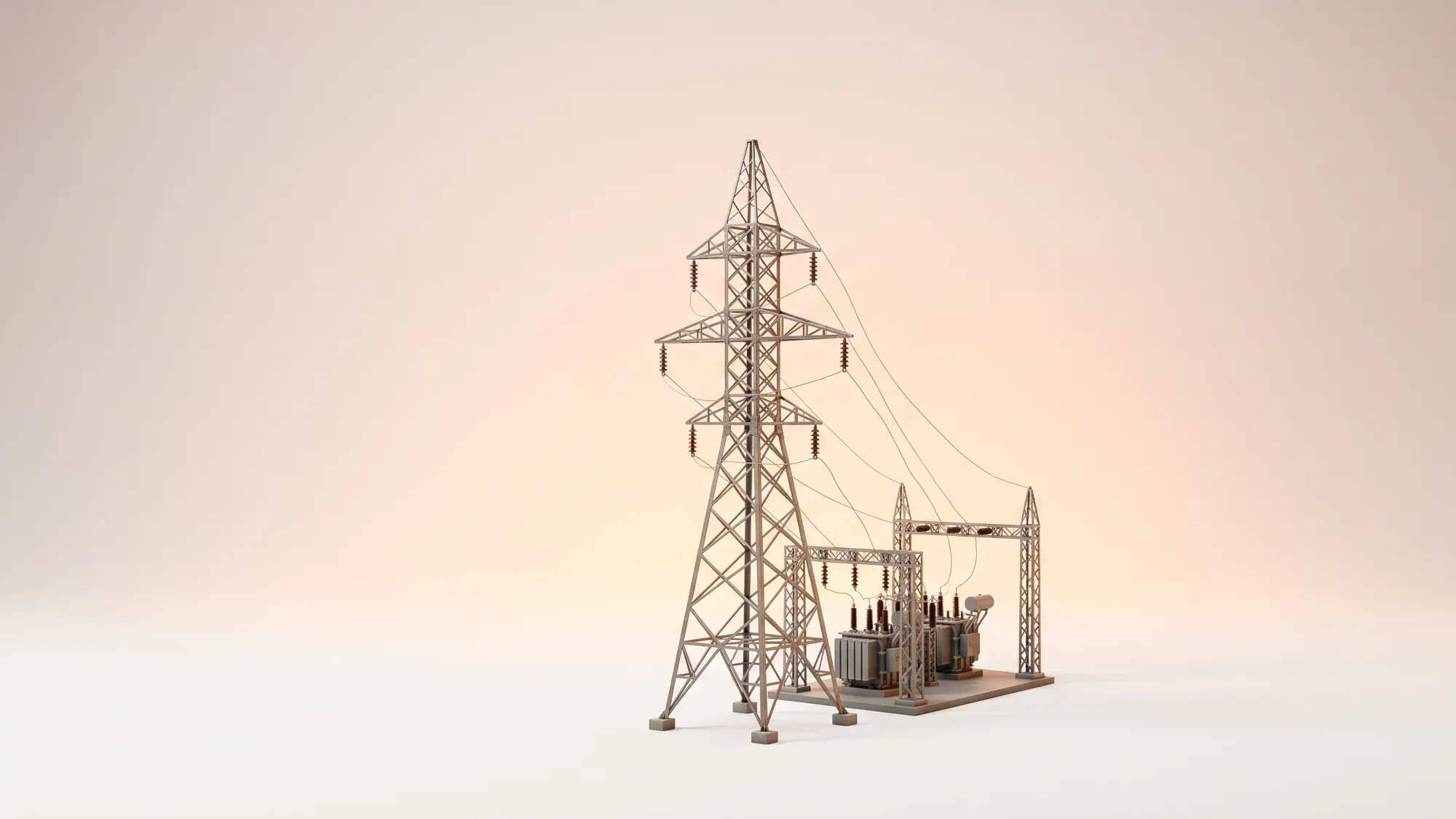
The UK's rapid push towards net zero is increasing the risk of blackouts and driving up electricity costs, according to a leaked report commissioned by the National Energy System Operator (NESO) and produced by Cornwall Insight1. This confidential document, shared by a whistleblower, highlights significant challenges in managing the country's evolving energy grid. For households, understanding these risks and preparing for potential power outages is becoming increasingly important.
Fuse Energy is committed to building a resilient energy future, empowering households with control over their energy. We believe in a future where energy is abundant, not a source of anxiety. Click here to switch to Fuse Energy today.
A recent report, originally intended for internal use, has brought the UK's energy grid stability into sharp focus. Its findings paint a concerning picture of the challenges facing the NESO.
Cornwall insight's findings for NESO
The report, prepared by energy consultancy Cornwall Insight for NESO, warns that the aggressive transition to net zero is creating a heightened risk of blackouts and contributing to rising electricity bills. A key concern raised is the "reduced visibility" grid operators now have over the network, primarily due to the proliferation of decentralised renewable energy sources. This makes it significantly harder for NESO to accurately forecast energy supply and demand.
The 'flying blind' whistleblower account
A whistleblower, who brought the report to light, offered a stark assessment of NESO's operational capabilities. They described the government-owned organisation as "flying blind, every minute of every day" in its ability to understand energy flows. The whistleblower issued a severe warning, stating, "We are risking a total blackout". This suggests a profound lack of real-time insight into the grid's complex dynamics.
Political sensitivities and grid stability
The leaked report also sheds light on internal tensions within the energy sector. National Grid engineers have reportedly flagged these stability issues for two years, but executives have been reluctant to acknowledge them publicly. This reluctance is attributed to political sensitivities. The report's findings gained particular relevance following a June 2026 heatwave, which saw NESO issue emergency notices for additional generating capacity, underscoring the grid's strain.
Several interconnected factors contribute to the UK grid's increasing vulnerability, stemming from both the nature of modern energy generation and external pressures.
Impact of decentralised renewables on grid visibility
The rapid growth of decentralised renewables, such as wind farms, solar panels, and battery storage, is a major factor in the grid's reduced visibility. Unlike traditional large power stations, these smaller, distributed sources make it more challenging for grid operators to monitor and predict energy flows accurately. This lack of clear oversight complicates the minute-by-minute balancing act required to keep the lights on.
Balancing net zero ambitions with reliability
The UK's ambitious net zero targets present a significant policy challenge: how to rapidly decarbonise the energy system while maintaining grid reliability and affordability. New Prime Minister Andy Burnham and Energy Secretary Miatta Fahnbulleh face the task of navigating this balance. Fahnbulleh, who previously advocated for achieving net zero "within 10 to 15 years," now confronts the operational realities of grid strain.
Increased demand and extreme weather events
Extreme weather events, exacerbated by climate change, are placing additional stress on the grid. The June 2026 heatwave serves as a prime example, where soaring temperatures caused demand for air conditioning to surge, placing strain on intermittent sources. NESO was forced to issue emergency notices for additional generating capacity to prevent widespread outages.
The consequences of widespread power outages extend far beyond mere inconvenience, affecting daily life, the economy, and national security.
Disruption to daily life and business
A blackout can bring daily life to a standstill. Homes lose heating, lighting, refrigeration, and access to communication networks. Businesses face operational shutdowns, financial losses, and disruptions to supply chains. Essential services, including healthcare and transport, can also be severely impacted.
Rising electricity costs and green levies
The report suggests that inaccurate energy forecasts, partly due to reduced visibility, are inflating balancing costs for NESO, which are then passed on to consumers through higher electricity bills. Industry bodies have urged the government to reduce green levies on business energy bills, arguing that these charges contribute to the rising cost of living and impact economic growth.
The role of energy security in national policy
Energy security is a critical component of national policy, ensuring a reliable and affordable supply of energy to meet demand. The current challenges highlight the need for a robust energy strategy that prioritises the resilience of the grid alongside environmental goals. Maintaining a secure power supply is vital for economic stability and public welfare.
While systemic issues are addressed at a national level, individuals can take proactive steps to enhance their household's resilience during potential power outages.
Assembling an emergency kit
A well-stocked emergency kit is your first line of defence. It should include:
- Lighting: Torches with spare batteries, or wind-up lanterns. Avoid candles due to fire risk.
- Communication: A battery-powered or wind-up radio for news and updates, and a fully charged power bank for mobile phones.
- Food and water: Non-perishable food items, a manual can opener, and bottled water.
- Warmth: Blankets, sleeping bags, and warm clothing.
- First aid: A basic first aid kit and any essential medications.
- Cash: ATMs and card machines may not work during a power cut.
Backup power solutions for home resilience
For enhanced resilience, consider backup power solutions. Portable power stations or generators can provide temporary electricity for essential appliances. For a more integrated approach, home battery storage systems, often paired with solar panels, can offer greater energy independence and keep critical circuits running during grid outages. These systems can store excess energy generated from renewables or charge during off-peak hours, providing power when the grid is down.
Staying informed and connected during outages
During a power cut, staying informed is crucial. Keep a battery-powered radio tuned to local news for updates. Follow official advice from NESO or local authorities via social media (if accessible) or radio. Ensure neighbours, especially the elderly or vulnerable, are checked on. Having a plan for communication with family members, perhaps a designated meeting point or contact person, can also provide reassurance.
Addressing the UK's grid stability challenges requires a concerted effort from government, industry, and consumers. The goal is not to abandon net zero, but to manage its integration more effectively.
Government and industry responses to grid challenges
The government and industry are under pressure to respond to the warnings raised by the leaked report and recent events, and are addressing the issues raised by the Cornwall Insight report. This includes re-evaluating the pace and method of renewable energy integration, ensuring that grid infrastructure can keep pace with changes in generation.
Investing in grid infrastructure and modernisation
Significant investment in grid infrastructure and modernisation is essential. This means upgrading transmission and distribution networks to handle more decentralised and intermittent renewable energy sources. Developing advanced forecasting tools and smart grid technologies will also be crucial for NESO to regain visibility and control over the network.
The path towards abundant and secure energy
The challenges facing the UK grid highlight the need for a systemic shift towards a more resilient and abundant energy future. This involves not just managing scarcity, but actively building a system that delivers reliable, clean power without compromise. By embracing innovation and strategic investment, the UK can move towards an energy system that supports net zero ambitions while ensuring security and affordability for all.
Managing your energy bills should be clear and easy to understand. Fuse Energy focuses on straightforward pricing, so you can see exactly what you're paying without unnecessary complexity. If you have a smart meter, you can view detailed usage data through the app or website, helping you understand how you can lower your bills. Our 24/7 human support team is always on hand with fast response times of under 5 minutes whenever you need help. Click here to switch to Fuse Energy today. Find out about our mission by clicking here.