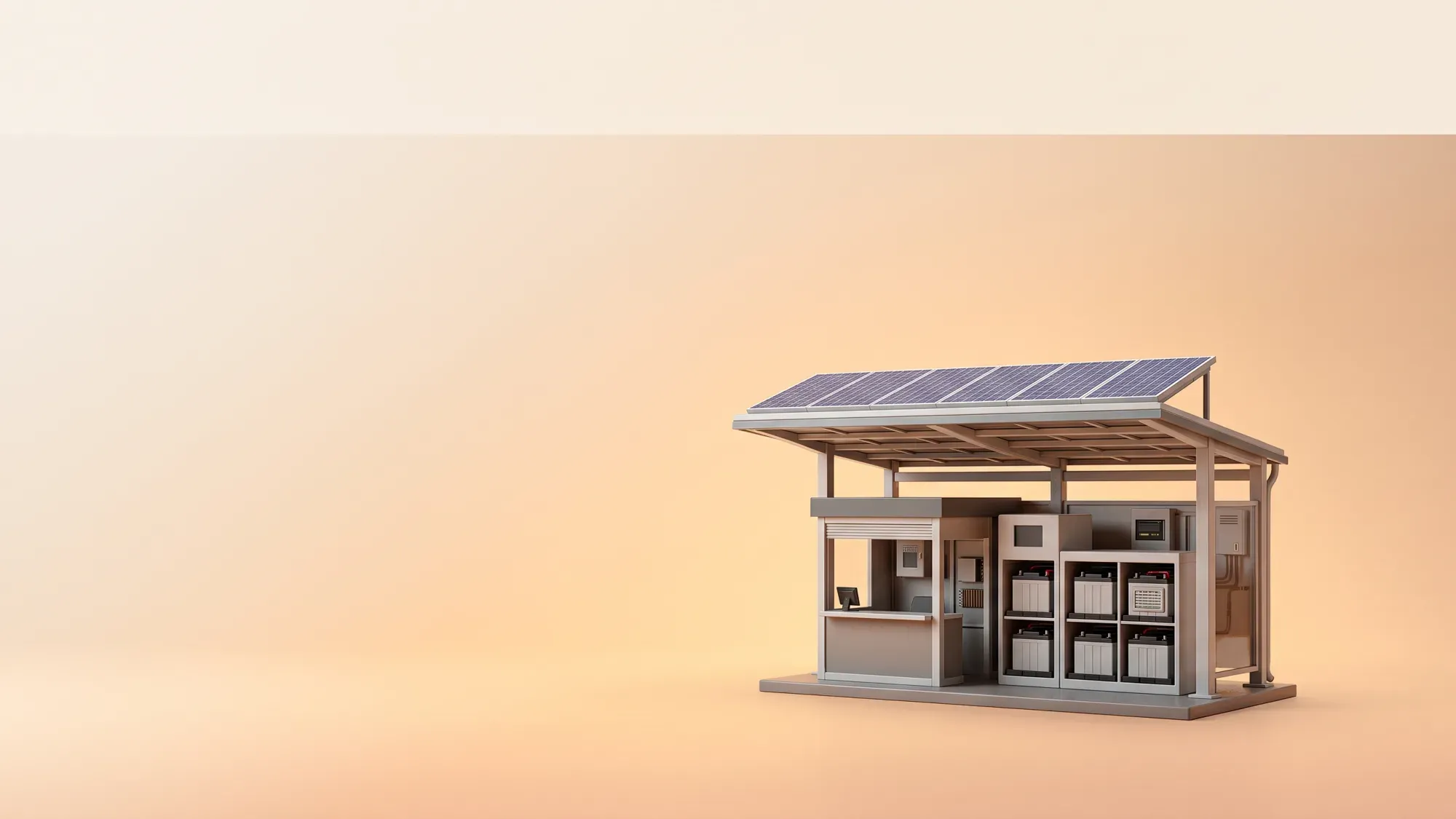
A British green technology company, MOPO, is set to invest up to £55 million ($75 million) in Nigeria by 2030, aiming to establish an "energy grid of the future" across Africa.1 This significant investment highlights the growing role of UK green technology in addressing energy poverty and fostering sustainable development across the continent. The initiative comes amidst a strategic shift in the UK's international development approach, moving towards investor partnerships rather than traditional aid.
As UK companies like MOPO drive green energy innovation abroad, Fuse Energy is committed to bringing reliable, clean energy solutions to homes across Great Britain. Discover how easy it is to switch to a modern energy supplier by clicking here.
The global clean energy transition presents one of the biggest economic opportunities of our time, with the UK positioned at its forefront. This shift is not merely about environmental responsibility; it is also about energy security, affordability, and economic growth.
Shifting from aid to investor partnerships
The UK government, through the Foreign, Commonwealth and Development Office (FCDO), is increasingly supporting investor partnerships in international development. This approach seeks to leverage private sector expertise and capital to drive sustainable growth. This strategic pivot occurs as the UK implements significant aid cuts, with Nigeria's aid budget, for instance, expected to be halved by 2028-2029. These reductions are part of a broader restructuring to help fund an increase in UK defence spending.
The imperative for clean energy access
Energy poverty remains a critical challenge across many African communities, hindering economic development and quality of life. Millions lack reliable access to electricity, impacting everything from small businesses to household activities. Balogun Adedayo Michael, a tailor in Nigeria, underscored this pressing need, stating, "We’ve been suffering because without electricity, we can’t use the industrial machine to sew properly”.
Sheffield-based MOPO exemplifies British green technology's impact in Africa. The company specialises in providing solar-powered battery rental hubs in communities that lack reliable electricity, offering a flexible and affordable energy solution.
MOPO's solar-powered battery hubs and MOPOGrid expansion
MOPO has already facilitated 45 million battery rentals across Africa, demonstrating the effectiveness and demand for its decentralised energy model. These hubs allow customers to rent fully charged batteries for daily use, which are then returned for recharging, bypassing the high upfront costs of traditional solar installations. The upcoming expansion will support MOPOGrid, extending services to include cabled electricity alongside battery rentals.
What is MOPO's vision for the energy grid of the future?
MOPO's chief operating officer, Luke Burras, envisions a future grid that is "super flexible and powered by sunshine." This approach focuses on decentralised, renewable energy solutions to meet the diverse and evolving energy needs of African communities.
Addressing rural electrification and energy poverty
MOPO's model directly addresses rural electrification by providing accessible and clean power where traditional grid infrastructure is absent or unreliable. This pay-per-use system offers an alternative to expensive and polluting petrol generators, empowering small businesses and households.
The growing clean energy sector in Africa presents significant opportunities for UK investors and businesses. The shift from aid to investment partnerships encourages private sector participation in critical infrastructure development.
Key players: Octopus Energy, Norfund, and British international investment
MOPO's expansion is backed by a consortium of prominent investors, including UK energy giant Octopus Energy, Norfund (the Norwegian government's development investment fund), and the World Bank's International Finance Corporation (IFC). British International Investment (BII), the UK's development finance institution, has also supported MOPO, highlighting the collaborative nature of these ventures.
Navigating challenges and maximising impact
While opportunities abound, navigating regulatory frameworks and local governance structures in target African countries remains crucial for successful project implementation. The FCDO's support for investor partnerships aims to mitigate some of these complexities by fostering stronger international networks and understanding of overseas markets.
The concept of an "energy grid of the future" in Africa moves beyond simply extending existing infrastructure. It embraces innovative and flexible solutions tailored to the continent's unique challenges and opportunities.
Decentralised solutions versus traditional grid expansion
Luke Burras, MOPO’s chief operating officer, articulated this vision: "To us, the grid of the future is super flexible and powered by sunshine”. This perspective champions decentralised solutions like solar-powered battery hubs and mini-grids, which can be deployed rapidly and cost-effectively in areas unreached by conventional grids. These solutions offer a more agile response to energy demand compared to the often slow and capital-intensive process of traditional grid expansion.
The vision for abundant, flexible power
The ultimate goal is to create abundant, flexible power that supports economic activity and improves lives. By focusing on renewable sources and adaptable distribution models, these initiatives aim to provide reliable energy access, fostering environments where communities can thrive without the constant worry of power shortages.
Investments in green energy infrastructure in Africa have far-reaching benefits, contributing to both economic growth and sustainable development.
Empowering local communities and businesses
Reliable electricity access empowers local communities by enabling education, healthcare, and communication. For businesses, it means increased productivity and the ability to operate more efficiently, as demonstrated by the Nigerian tailor's experience. This fosters job creation and strengthens local economies.
"The global clean energy transition is one of the biggest economic opportunities of our time and the UK is at the forefront of it."
— Foreign Secretary Ed Miliband
Long-term outlook for UK-Africa green energy collaboration
The long-term outlook for UK-Africa green energy collaboration is positive, driven by shared goals of sustainable development and economic prosperity. As the UK continues to champion the clean energy transition, its partnerships with African nations are expected to deepen, focusing on innovative technologies and investment models that deliver tangible benefits on the ground.
Managing your energy bills should be clear and easy to understand. Fuse Energy focuses on straightforward pricing, so you can see exactly what you're paying without unnecessary complexity. If you have a smart meter, you can view detailed usage data through the app or website, helping you understand how you can lower your bills. If you don't have a smart meter, Fuse Energy can upgrade your non-smart meter, completely for free. This can make it easier to track spending and make informed decisions about your energy use. Our 24/7 human support team is always on hand with fast response times whenever you need help. Click here to switch to Fuse Energy today. Find out about our mission by clicking here.