UK gas reliance: a national security threat?
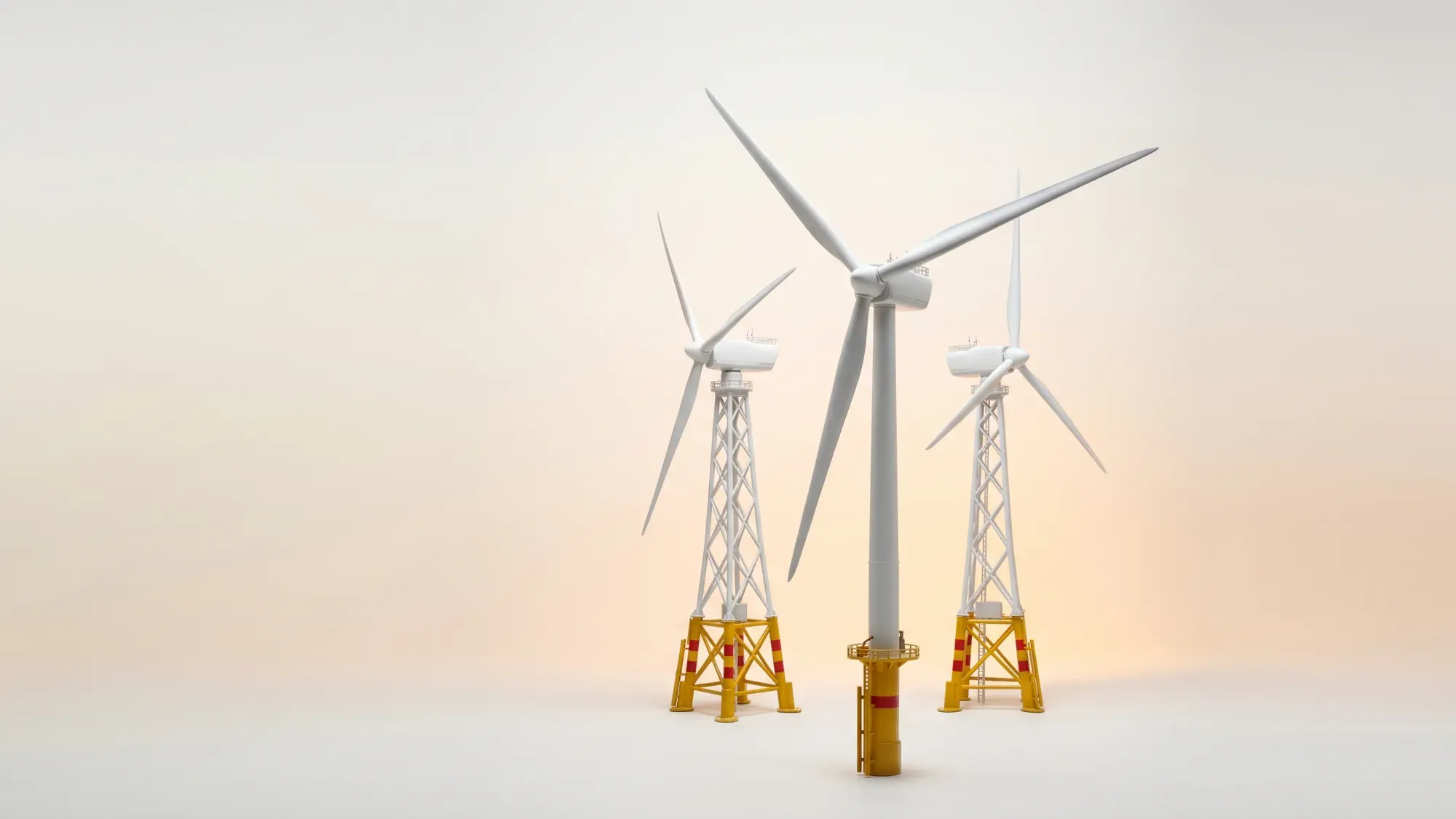
The UK's significant reliance on gas, particularly for home heating, presents a critical national security risk.1 This vulnerability has been starkly highlighted by growing geopolitical tensions and Russian aggression, exposing the nation to volatile international markets and potential supply disruptions. An urgent shift towards energy independence through electrification and renewable sources is needed. Fuse Energy's mission to deliver abundant, clean energy directly addresses these challenges by working towards a resilient, independent energy system.
Managing your home's energy should be straightforward and secure. Fuse Energy is committed to providing clear pricing and helping you understand your energy usage. By choosing a supplier focused on a cleaner, more resilient energy future, you can contribute to reducing the UK's reliance on volatile gas markets. Click here to switch to Fuse Energy today.
Enter your address to get a quote and see how much you could save
The UK's gas dependence: a national security concern
The UK's energy landscape has long been shaped by a significant reliance on natural gas, a dependency that has evolved into a profound national security concern. This vulnerability stems from historical energy choices and is now exacerbated by global events.
Historical context of UK gas reliance
For decades, natural gas has been a cornerstone of the UK's energy mix, particularly for heating homes and generating electricity. While this provided a readily available and relatively affordable energy source in the past, it has created a structural weakness in the nation's energy security.
Geopolitical risks and russian aggression
The full-scale invasion of Ukraine by Russia in 2022 brought the fragility of global energy markets into sharp focus, exposing the UK's susceptibility to international shocks, despite its limited direct reliance on Russian gas. The interdependence of UK, European, and global energy markets meant that the UK was heavily exposed to the supply shock, leading to increased gas prices that fed directly into UK energy bills. A report from think tank E3G warns that the UK's "overwhelming dependence" of homes on gas poses a "critical national security risk" in the face of growing Russian aggression.
Economic vulnerabilities of gas price volatility
The UK's exposure to international gas markets means that global events can lead to higher household energy bills and broader economic instability. Gas price volatility has been a significant factor in the cost of living crisis, with energy bills increasing substantially. This economic pressure can weaken public confidence, particularly as low-income households often spend a disproportionately high percentage of their income on energy.
Electrification: a strategic imperative for energy security
Accelerating the electrification of homes and businesses is not merely an environmental goal; it is a strategic imperative for enhancing the UK's energy security and reducing its vulnerability to external shocks.
Accelerating home electrification
The transition to electric heating and other electric appliances in homes is crucial for mitigating security threats. The government's "Powering Up Britain" strategy aims to increase the supply of low-carbon energy and reduce reliance on fossil fuels. This involves a significant push for home electrification, moving away from gas boilers towards cleaner, more efficient electric alternatives.
The role of heat pumps and electric vehicles
Heat pumps are central to the electrification of home heating. The government aims for 600,000 heat pump installations per year by 2028. This transition is supported by financial incentives and regulations designed to phase out fossil fuel boilers. Similarly, the uptake of electric vehicles (EVs) is transforming transport, further increasing electricity demand and contributing to reduced fossil fuel reliance. The average UK home uses around 2,700 kWh of electricity per year, and as more homes electrify heating and transport, the demand for clean electricity will continue to grow.
Decarbonising industry and business
Electrification extends beyond homes to industry and businesses, which are also significant consumers of gas. The UK's Industrial Decarbonisation Strategy, published in March 2021, outlines how industry can decarbonise in line with net zero targets while remaining competitive. Electrification is identified as a primary route for industrial decarbonisation, offering greater efficiency for many processes. This shift is vital for reducing the sector's emissions and strengthening overall energy resilience.
Renewable energy: the foundation of independence
A robust and secure energy future for the UK hinges on expanding its renewable energy capacity and strengthening its energy infrastructure.
Expanding wind and solar capacity
The UK is well-positioned to harness abundant renewable resources, particularly wind and solar power. The "British Energy Security Strategy", published in April 2022, sets ambitious targets, aiming for up to 50GW of offshore wind by 2030 and 10GW of low-carbon hydrogen production by the same year. Renewables have seen exponential growth, now forming a substantial part of the UK's electricity generation mix, reducing carbon emissions and diversifying energy supply. This expansion is critical for weaning Britain off expensive fossil fuels and boosting homegrown energy sources.
Strengthening energy infrastructure
To support the increased reliance on electricity, significant investment in energy infrastructure is essential. This includes new transmission lines, smart meters, and charging infrastructure for electric vehicles. The transition also requires developing a more decentralised energy system, which can be less vulnerable to attack than highly centralised fossil fuel infrastructure. Ofgem, the energy regulator for Great Britain, plays a crucial role in promoting the security of the UK's energy supply and ensuring it is sustainable for future users.
Achieving net zero targets through renewables
The UK's commitment to achieving net zero emissions by 2050 necessitates a complete overhaul of the energy system, with renewables at its core. This transition extends to heating, transport, and industrial processes, all powered by clean, domestically generated electricity. The government's strategy aims for a doubling of Britain's electricity generation capacity by the late 2030s, primarily through low-carbon sources.
Government policy and the path to resilience
The UK government has recognised the urgency of addressing energy security and has outlined strategies to build a more resilient energy system.
Current UK energy strategy and initiatives
The "British Energy Security Strategy", published in April 2022, and the subsequent "Powering Up Britain: Energy Security Plan" in March 2023, set out the government's approach to accelerating the UK towards a low-carbon, energy-independent future. These strategies focus on expanding domestic energy supply, increasing targets for low-carbon power generation, and reducing gas consumption. The government also conducts national risk assessments on the security of gas supply to outline potential vulnerabilities and mitigation strategies.
Addressing climate risk and energy resilience
The interconnectedness of climate change and energy security is increasingly acknowledged. The government launched a new Climate Security Taskforce in June 2026 to identify climate-related threats and advise on how to respond to the growing risks climate change poses to national security. This proactive approach aims to strengthen readiness and build resilience against both climate impacts and energy supply disruptions.
Market reforms for a secure energy future
Market reforms are designed to support this transition, fostering competition and innovation while protecting consumers. The energy market is evolving with smart technologies, such as smart meters, which enable better data exchange and can support tariffs that encourage energy use during off-peak times.
Building an abundant, secure energy future
The journey to energy independence is not about living with less; it's about building a future where energy is abundant, clean, and secure.
Challenging the scarcity mindset
The prevailing narrative often suggests that energy security requires conservation and sacrifice. However, a truly secure energy future is one built on abundance. By rebuilding the energy system from scratch with abundant, clean sources, the UK can move beyond the scarcity mindset. This approach allows for greater energy use, not less, because the energy is clean and domestically sourced, eliminating the geopolitical and economic vulnerabilities associated with finite fossil fuels.
Individual actions for national energy independence
While systemic change is paramount, individual actions contribute significantly to energy independence. Electrifying your home with technologies like heat pumps and embracing electric vehicles directly reduces reliance on gas. Choosing energy suppliers committed to clean, abundant energy helps drive the market towards a more resilient future. Fuse Energy aims to help homes use more clean energy, contributing to energy independence without sacrificing comfort or progress.
What is the average UK home electricity consumption?
The average UK home uses around 2,700 kWh of electricity per year. This figure is a median value, consistent with data from GOV.UK and Ofgem's typical domestic consumption values, and serves as a useful baseline for understanding household energy use.
The vision for a solved energy system
Imagine a future where energy is no longer a constraint on ambition or a source of national security concern. This vision, where energy is invisible - cheap, abundant, clean, and seamless - is the future Fuse Energy is building towards. By vertically integrating and rebuilding the energy system, Fuse aims to deliver abundant, clean energy, working towards a resilient, domestically sourced energy system that can reduce reliance on gas and its associated risks. This is about creating a future where energy is solved, allowing for human progress without compromise.
Fuse Energy is committed to making energy simple, affordable, and sustainable for your home. We offer clear pricing, 24/7 human customer support, and an intuitive app to help you manage your usage. Join the movement towards a cleaner, more secure energy future. Click here to switch to Fuse Energy today. You can also learn more about our mission to deliver abundant, clean energy by clicking here.
References
Disclaimer
For the avoidance of doubt, this article is provided for informational purposes only and is not intended to constitute legal or financial advice. The author and/or Fuse Energy shall not be responsible for any losses arising out of any reliance on the information contained herein.