UK EV charging policy: new rules simplify home installations
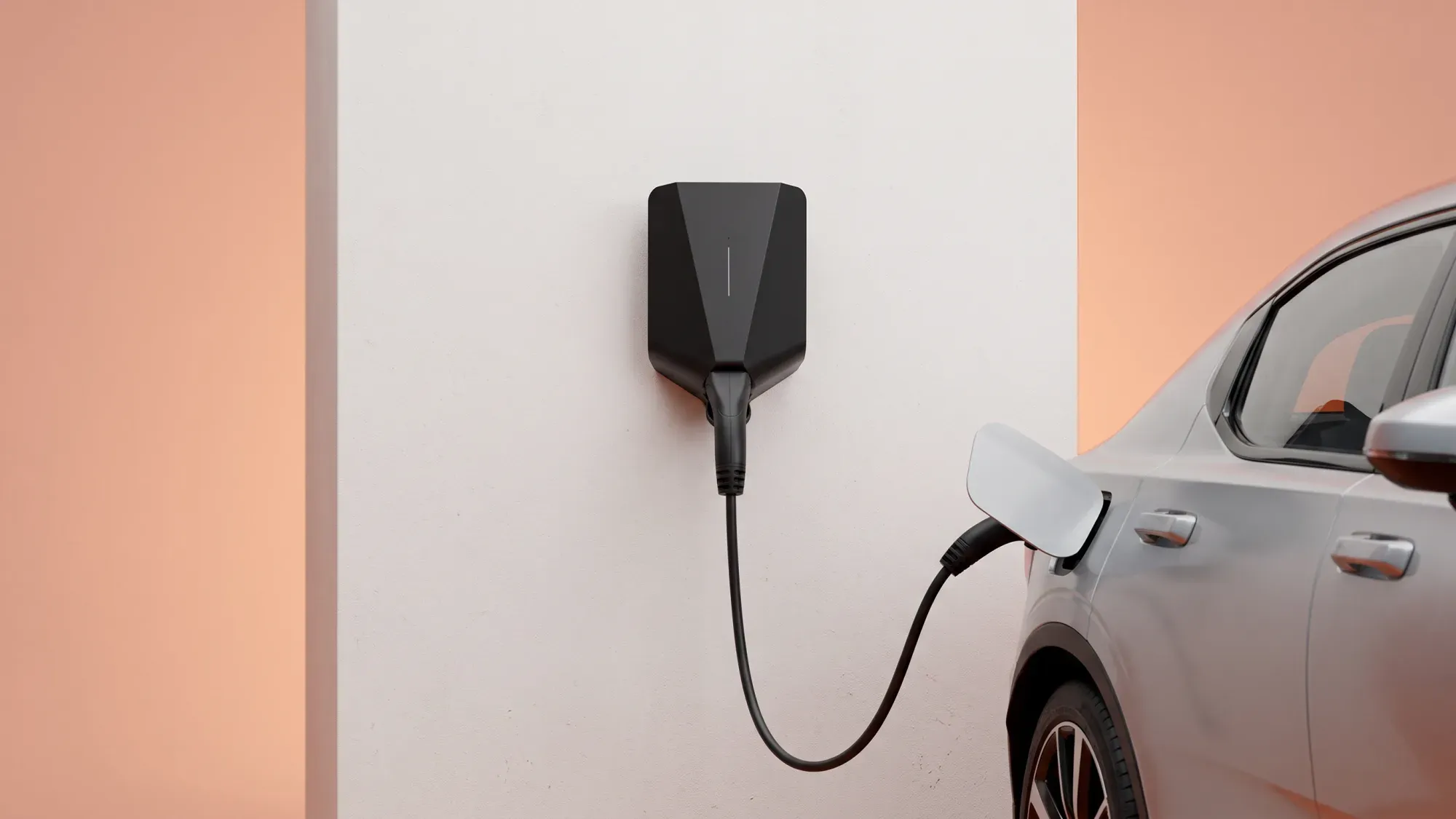
The UK Government has confirmed plans to simplify the installation of cross-pavement electric vehicle (EV) charging solutions, a significant step towards making home charging more accessible for millions of drivers. This change introduces a new permitted development right (PDR), aiming to remove the need for a separate planning application for such installations1.
Thinking about UK EV charging policy? Fuse Energy installs the Easee One smart home EV charger for a flat £899 including full installation, up to 15m of cabling, surge protection, and a 3-year warranty. Tap the quote button below to get started.
Understanding the new UK EV charging policy
What are permitted development rights?
Permitted Development Rights (PDRs) are a national grant of planning permission which allow certain building works and changes of use to be carried out without needing to apply for planning permission from the local council. The government recently confirmed new PDRs for EV charging in England, specifically for cross-pavement charging solutions and associated domestic charge points. These reforms are designed to streamline processes and reduce administrative burdens for homeowners looking to install EV charging infrastructure.
Addressing the 'charging divide'
A significant challenge for EV adoption in the UK has been the "charging divide", affecting households without off-street parking. Around four in ten UK households do not have off-street parking, meaning they often rely on on-street parking. This can force these drivers to depend on more expensive public charging options, which can cost up to ten times more than charging at home. This increases their running costs compared to those who can charge an EV at home.
Impact on homeowners without off-street parking
Easier cross-pavement charging solutions
The new permitted development rights are specifically aimed at making it easier for homeowners without driveways to install cross-pavement charging solutions. These solutions typically involve creating a channel or gully through the pavement to safely run a charging cable from a home to a vehicle parked at the kerb, preventing trip hazards. The removal of the need for a separate planning application for these installations is a major breakthrough.
What is cross-pavement EV charging?
Cross-pavement EV charging involves installing a channel or gully in the pavement to safely route a charging cable from a home to an electric vehicle parked on the street. This solution aims to provide convenient home charging for drivers without off-street parking, eliminating trip hazards from trailing cables and making cheaper domestic electricity rates accessible.
Vicky Edmonds, CEO of EVA England, welcomed the move, stating, "This is great news for drivers without a driveway, making it simpler, quicker and fairer for them to charge an EV at home". She further emphasised that "People who park on the street should not face unnecessary extra hurdles just to access the cheaper and more convenient charging available to people with driveways".
The role of local authorities and the 'postcode lottery'
While the new PDRs simplify the planning process, it is crucial to understand that local authorities still retain significant control. Homeowners cannot simply cut a channel into the pavement; relevant highway permissions and street-works approvals remain necessary. These are separate controls governing interference with the highway, electrical safety, and other legal rights.
James Court, Public Policy Director at Octopus Electric Vehicles, acknowledged the positive step but highlighted a potential ongoing issue: "Removing planning permission for cross-pavement charging is a sensible step and will cut an unnecessary bit of red tape for drivers without a driveway. But it doesn’t solve the bigger problem. Councils will still decide whether these installations can go ahead, leaving us with a postcode lottery where one council enables cheap home charging". This means that the ease of installation could still vary significantly from one local authority area to another.
Maximising your EV charging with smart solutions
Leveraging smart tariffs for cost savings
For EV owners, especially those now able to access home charging more easily, smart charging solutions and tariffs offer substantial benefits. Smart charging technology connects your charger to your home devices and the local grid, allowing it to optimise charging times based on electricity demand and pricing. This means your EV can charge during off-peak hours when electricity is cheaper and often greener.
Charging at home during off-peak periods can lead to significant savings. This is particularly impactful when compared to the higher costs of public charging. Smart charging also contributes to grid stability by balancing demand and better integrating with renewable energy sources.
The Fuse app: control and visibility for EV charging
Fuse Energy empowers EV owners to manage their charging efficiently and cost-effectively, leveraging these new policy changes for greater control. Through the Fuse app and smart tariffs, customers can gain visibility and control over their energy usage, optimising when and how their EV charges. This approach helps customers utilise abundant energy for their EV, making "having more" the central benefit of their energy use. Fuse aims to make EV charging easier and more affordable through smart energy solutions, aligning with policy changes that enable greater access.
The future of EV charging infrastructure in the UK
Government vision and net zero goals
The UK government is committed to achieving net-zero greenhouse gas emissions by 2050, a target enshrined in law in 2019. The transition to electric vehicles is crucial for this goal, with the ban on the sale of new petrol and diesel cars set for 2035, and all new cars and vans needing to be 100% zero emission by 2035. The government has committed over £2 billion to vehicle grants and infrastructure, including schemes like the EV chargepoint grant and the Local Electric Vehicle Infrastructure (LEVI) scheme. These efforts aim to ensure a robust and efficient charging network that supports the widespread uptake of EVs.
Beyond the pavement: public charging and innovation
Beyond home charging, the UK's public charging infrastructure continues to expand rapidly. As of October 2025, there were 86,021 public EV charging devices in the UK across 44,142 locations, representing a 22% increase since October 2024. The government expects 300,000 public charging points by 2030, a target set out in the March 2022 Electric Vehicle Infrastructure Strategy. This expansion includes rapid chargers on motorways, destination chargers at shops and workplaces, and an increasing number of on-street chargers in residential areas. Innovations in smart charging technology and integrated solutions are continually enhancing the user experience and operational efficiency of the charging network.
Thinking about UK EV charging policy? Fuse Energy installs the Easee One smart home EV charger for a flat £899 including full installation, up to 15m of cabling, surge protection, and a 3-year warranty. Tap the quote button below to get started.
References
- Transport and Energy. UK Government confirms plans to simplify cross-pavement charging installations
Disclaimer
For the avoidance of doubt, this article is provided for informational purposes only and is not intended to constitute legal or financial advice. The author and/or Fuse Energy shall not be responsible for any losses arising out of any reliance on the information contained herein.