VAT cut widens UK EV charging gap
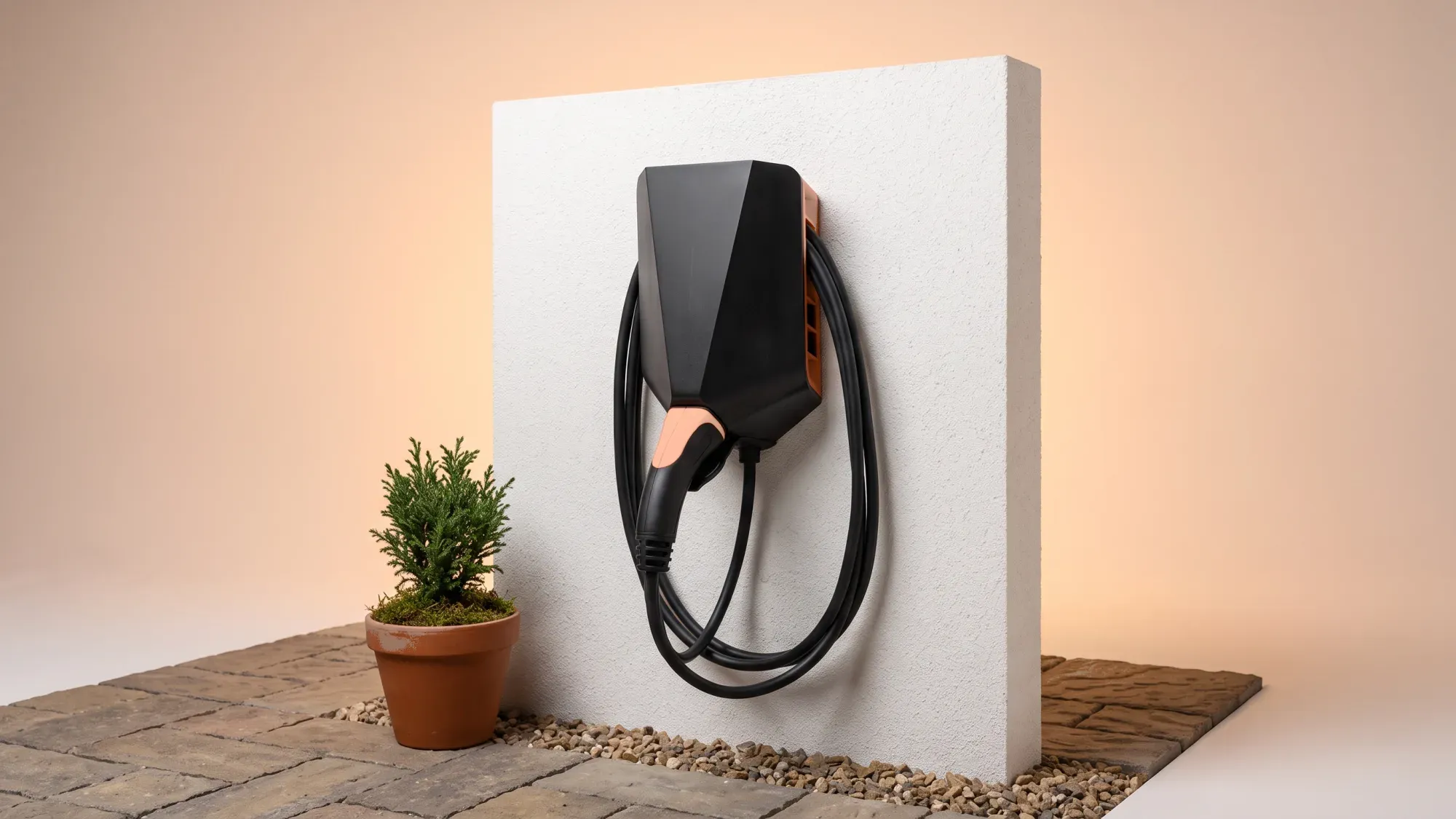
The UK's recent decision to remove Value Added Tax (VAT) from household electricity bills, effective from 1 October, is set to make electric vehicle (EV) home charging more affordable. However, this policy is expected to exacerbate the existing gap between EV drivers with access to home charging and those who rely on public infrastructure. Understanding the nuances of both home and public charging is crucial for UK EV owners to navigate the evolving landscape and make informed decisions about managing their running costs.1
Thinking about VAT cut widens UK EV charging gap? Fuse Energy installs the Easee One smart home EV charger for a flat £899 including full installation, up to 15m of cabling, surge protection, and a 3-year warranty. Tap the quote button below to get started.
The UK EV charging landscape: an overview
The shift to electric vehicles in the UK continues to grow, with more drivers embracing EVs. The infrastructure supporting them expands and diversifies, but not always uniformly.
Types of EV chargers and their speeds
EV chargers are categorised by their power output, which dictates charging speed. Slow chargers are typically used for overnight home charging, offering around 3-6 kW. Fast chargers, often found in homes, workplaces, and public locations, provide a quicker top-up. Rapid chargers are common at service stations and dedicated charging hubs, significantly reducing charging times. Ultra-rapid chargers offer the fastest charging speeds available, capable of adding hundreds of miles of range in minutes.
Current state of UK charging infrastructure
The UK's public charging network has seen significant growth. At the end of June 2025, there were more than 121,000 public chargers available across the country. This expansion is vital for supporting the increasing number of EVs on the road, but access and cost remain key considerations for drivers.
Home charging: the cost-effective choice
Home charging is already the most economical way to power an EV, and recent policy changes have made it even more attractive.
Impact of the VAT cut on household electricity
The UK government's decision to remove VAT from household electricity bills, effective from 1 October, directly influences the cost-effectiveness of home EV charging. This policy makes home charging even more affordable for EV owners. Argus Media notes that "Home charging is already the cheapest way to run an EV," with costs around 7p/km. This contrasts sharply with public charging options, creating a significant financial advantage for those who can charge at home.
How does the VAT cut affect EV charging costs?
The UK government's removal of VAT from household electricity bills, effective 1 October, directly reduces the cost of home EV charging. This makes home charging even more affordable, reinforcing its position as the cheapest way to run an electric vehicle compared to public charging options.
Optimising home charging costs with smart solutions
For those with access to a home charger, smart charging solutions and time-of-use tariffs can further reduce running costs. Smart chargers integrate with your home energy system, allowing you to schedule charging during off-peak hours when electricity is cheaper. This strategic approach maximises the benefits of the VAT cut and ensures you are always getting the best value for your energy.
Navigating public EV charging: challenges and strategies
While home charging offers clear advantages, a substantial portion of EV drivers rely on public infrastructure, facing different challenges.
Cost disparity: public vs home charging
A significant disparity exists in charging costs between home and public options. While home charging averages around 7p/km, ultra-rapid public chargers can cost approximately 26p/km. This fourfold difference highlights the financial burden on drivers without home charging access. According to Zapmap, around 23pc of UK EV drivers rely solely on public charging infrastructure.
Solutions for drivers without home charging access
For the 23pc of UK EV drivers who depend on public charging, and for the 32.8pc of UK households that lack suitable parking for home charger installation (derived from Field Dynamics' estimate that 67.2pc have such access) , strategic planning is essential. Drivers can:
- Plan journeys: Utilise charging apps to locate the most cost-effective public chargers along their route.
- Compare networks: Research different public charging networks to find those offering competitive rates or subscription models.
- Consider workplace charging: If available, workplace chargers can offer a more affordable alternative to public rapid chargers.
- Explore community charging initiatives: Some areas are developing shared charging solutions for residents without private driveways.
Policy, disparity, and the future of EV adoption
The growing disparity in charging access and cost poses a challenge to wider, equitable EV adoption in the UK.
Addressing the charging infrastructure gap
The current policy landscape, while making home charging cheaper, risks widening the gap between those with and without off-street parking. Charging operators have previously argued that policy support can disproportionately benefit motorists able to charge at home, while drivers relying on public infrastructure face higher running costs. Addressing this requires a balanced approach to infrastructure development and policy incentives that support all EV users.
The role of policy in equitable EV transition
The Alternative Fuel Infrastructure Regulation (AFIR), an EU regulation, sets minimum requirements for the deployment of alternative fuels infrastructure, including EV charging points. While a European regulation, it may influence broader UK policy discussions and market trends, particularly in ensuring a robust and accessible public charging network. Future UK policy will need to focus on ensuring that the transition to EVs is equitable, preventing a two-tier system where only those with home charging truly benefit from the cost savings.
Making an informed choice for your EV
Navigating the UK EV charging landscape requires understanding the options and their financial implications. Home charging, especially with the recent VAT cut, offers significant cost savings and convenience. For those without home charging, strategic planning and awareness of public charging costs are crucial. By staying informed about policy developments and leveraging smart charging solutions, EV owners can make the most of their electric vehicle experience.
Thinking about VAT cut widens UK EV charging gap? Fuse Energy installs the Easee One smart home EV charger for a flat £899 including full installation, up to 15m of cabling, surge protection, and a 3-year warranty. Tap the quote button below to get started.
References
- Argus Media. UK VAT cut widens EV charging access gap
Disclaimer
For the avoidance of doubt, this article is provided for informational purposes only and is not intended to constitute legal or financial advice. The author and/or Fuse Energy shall not be responsible for any losses arising out of any reliance on the information contained herein.