UK EV charger rollout slows: what it means for drivers
The rollout of electric vehicle (EV) chargers in the UK has slowed considerably in the first half of 2026, raising concerns about the nation's charging infrastructure. This deceleration presents challenges for EV drivers and the charging industry, but also highlights the increasing importance of reliable home charging solutions.
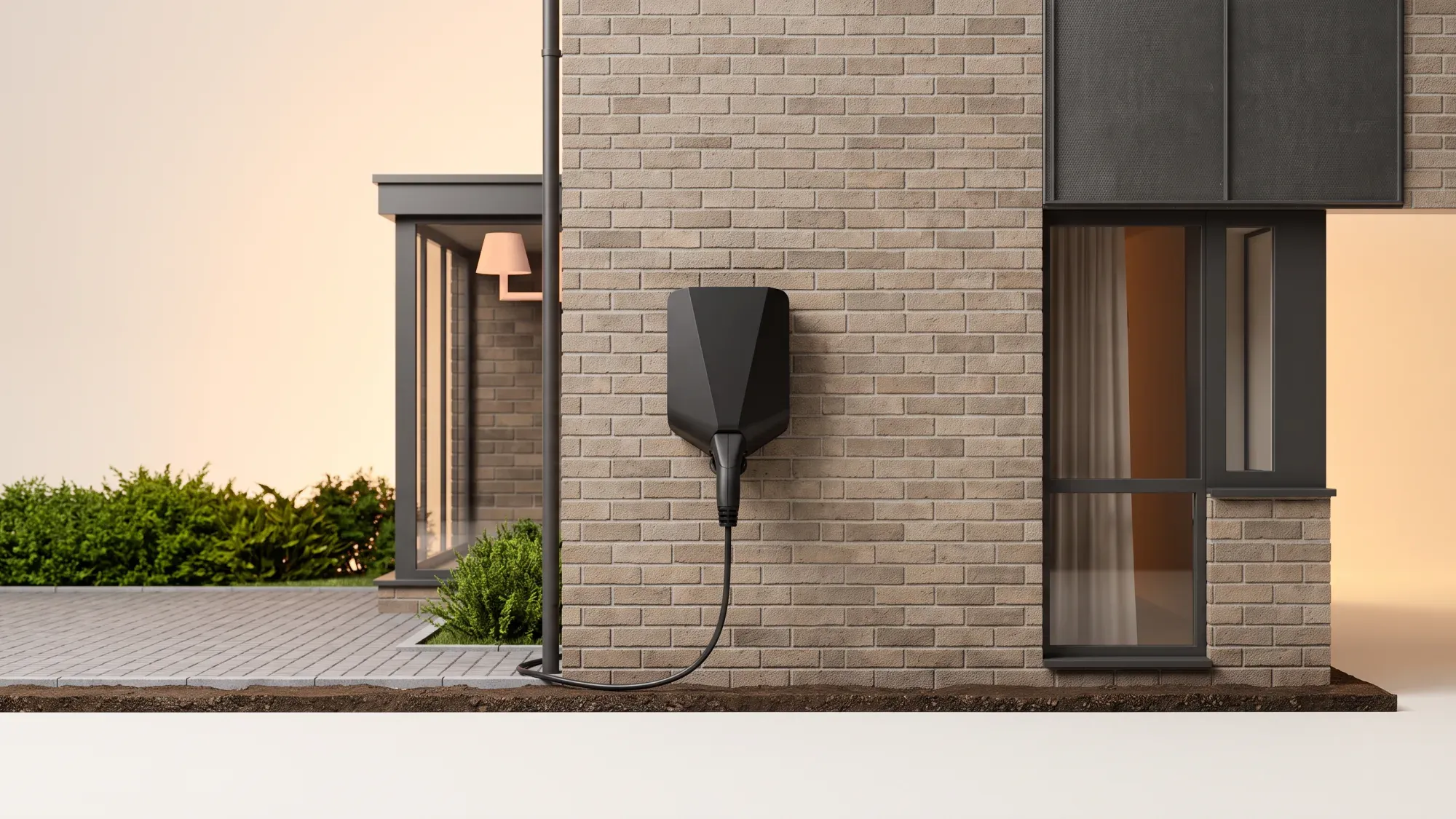
Thinking about UK EV charger rollout slows? Fuse Energy installs the Easee One smart home EV charger for a flat £899 including full installation, up to 15m of cabling, surge protection, and a 3-year warranty. Tap the quote button below to get started.
The current state of UK EV charging infrastructure
A significant slowdown in public installations
In the first half of 2026, the UK saw only 5,100 new public charge points installed, bringing the total to 121,171 by mid-year. This represents a 10% year-on-year increase, a marked drop from the over 40% growth observed in 20241. This slowdown signals a shift in the pace of infrastructure development.
Government targets and the reality
The UK government has set an ambitious target of 300,000 public chargers by 2030. However, the current rate of installation suggests that meeting this goal will require a significant acceleration in deployment over the coming years. The gap between the current trajectory and the 2030 target underscores the need for sustained effort and investment.
Growth in ultra-rapid and on-street charging
Despite the overall deceleration, there are areas of notable growth within the public charging network. Ultra-rapid chargers, which deliver 150kW or more, saw a 37% increase in installations year-on-year. These high-power units are crucial for longer journeys, allowing most modern electric cars to add significant range in a short period. Additionally, there is a gradual deployment of on-street chargers, particularly those funded by the Local Electric Vehicle Infrastructure (LEVI) scheme. This scheme supports local authorities in England to provide charging solutions for residents without off-street parking.
Key factors behind the rollout deceleration
Political uncertainty and the ZEV mandate
A significant factor contributing to the slowdown is the political uncertainty surrounding the Zero Emission Vehicle (ZEV) mandate. This mandate is a key government policy designed to accelerate the transition to electric vehicles by setting sales targets for manufacturers. Jarrod Birch, head of policy and public affairs at ChargeUK, highlighted the impact of this uncertainty, stating, "the mandate has now been argued over for three years, under two governments. It is no surprise that investors are hesitating as doubt surrounds the policy once again". This wavering policy environment can deter the long-term investment needed for infrastructure expansion.
Economic pressures and investor hesitation
Challenging cost pressures, including rising installation costs, have also played a role in the deceleration. The charging sector has seen significant private investment, but this capital is conditional on a stable regulatory framework and predictable demand. When policy signals are unclear, investors reassess their outlooks, leading to hesitation in committing further funds.
The impact on the automotive industry
The ZEV mandate's potential weakening could also impact the automotive industry, which relies on clear targets to plan its transition to EV production. A slower shift to electric cars could affect the domestic automotive sector and potentially jeopardise jobs.
Navigating the public charging landscape
Understanding different charger types and speeds
Public chargers vary significantly in their power output and suitability for different charging needs. Slow chargers (up to 8kW) are ideal for overnight charging, while fast chargers (8kW to 49kW) can provide a few hours of charge. Rapid chargers (50kW to 150kW) can add substantial range in 20-60 minutes, and ultra-rapid chargers (150kW and above) offer the quickest top-ups, with some 300kW+ chargers adding hundreds of miles of range in around 10 minutes for compatible vehicles. Understanding these differences helps drivers choose the most appropriate charger for their journey and vehicle.
Tools and apps for finding available chargers
Tools like Zapmap provide comprehensive data and insights into the UK's charging infrastructure, helping drivers locate available charge points and understand their specifications. These platforms are invaluable for planning routes and ensuring access to charging, especially on longer journeys.
The importance of public network reliability
While home charging is often the primary method for EV owners, a reliable public charging network remains essential for the broader adoption of electric vehicles. Public chargers support drivers on longer trips, those without off-street parking, and provide flexibility for various charging scenarios. Melanie Shufflebotham, Zapmap’s co-founder and chief operating officer, noted that installations still represent "a steady rollout" overall, with "high growth" in the ultra-rapid segment.
Empowering EV owners with smart home charging
The foundation of a reliable EV experience
Amidst the fluctuations in public infrastructure rollout, home charging remains the cornerstone of a reliable EV experience for many drivers. For those with off-street parking, installing a home charger offers unparalleled convenience and control. It mitigates concerns about public charger availability and reliability, providing a consistent and predictable charging routine.
Cost savings and convenience of home charging
Charging at home is typically the most cost-effective way to power an EV, especially when utilising smart tariffs. Many energy providers have offered specific EV tariffs designed to provide cheaper electricity during off-peak hours, usually overnight. This allows drivers to charge their vehicles when electricity demand and prices are lower, leading to significant savings compared to public charging rates. The convenience of waking up to a fully charged vehicle, without needing to visit a public charging station, is a major benefit.
Optimising your charging with smart tariffs and technology
Smart home charging solutions, often integrated with energy provider apps, empower EV owners to optimise their charging habits. These systems can automatically schedule charging sessions during the cheapest periods, track energy consumption, and even balance household loads to avoid exceeding capacity. This level of control transforms potential public charging challenges into a personal advantage, allowing drivers to manage their energy use efficiently and cost-effectively.
Future outlook for UK EV infrastructure
Continued focus on strategic growth areas
The growth in ultra-rapid chargers and the deployment of on-street charging through schemes like LEVI indicate a strategic focus on addressing key charging needs. Ultra-rapid chargers cater to long-distance travel, while on-street solutions support urban residents. This targeted growth aims to build confidence in the network and support a wider range of EV users.
The role of policy and investment in accelerating deployment
Clarity and stability in government policy, particularly regarding the ZEV mandate, are crucial for attracting and sustaining investment in the charging sector. Consistent policy signals provide the certainty that developers and investors need to commit to large-scale infrastructure projects, ultimately accelerating the deployment of chargers across the UK.
Preparing for the future of electric mobility
The transition to electric mobility is ongoing, and while challenges exist, the overall trajectory remains positive. Continued investment in diverse charging solutions, coupled with supportive policies, will be essential to build a robust and accessible EV infrastructure that meets the needs of a growing electric fleet.
Taking control of your EV charging experience
Practical steps for drivers and the charging industry
For EV drivers and the charging industry, navigating the evolving charging landscape means being proactive. This includes evaluating personal or business charging requirements, exploring home charging options, and staying informed about public network developments. Understanding the different types of chargers and utilising available apps can help ensure reliable charging.
Making informed decisions about your energy supply
Choosing an energy supplier that offers smart tariffs and tools for optimising home charging can significantly enhance the EV ownership experience. By taking control of your energy supply and charging habits, you can mitigate uncertainties in the public network, ensuring a consistent, convenient, and cost-effective way to power your electric vehicle.
Thinking about UK EV charger rollout slows? Fuse Energy installs the Easee One smart home EV charger for a flat £899 including full installation, up to 15m of cabling, surge protection, and a 3-year warranty. Tap the quote button below to get started.
Disclaimer: This article is for informational purposes only and does not constitute financial or energy advice. Please consult with a qualified professional for personalised guidance.
For the avoidance of doubt, this article is provided for informational purposes only and is not intended to constitute legal or financial advice. The author and/or Fuse Energy shall not be responsible for any losses arising out of any reliance on the information contained herein.
UK EV charger rollout slows: what it means for drivers