Altilium secures UK patent for EV battery recycling
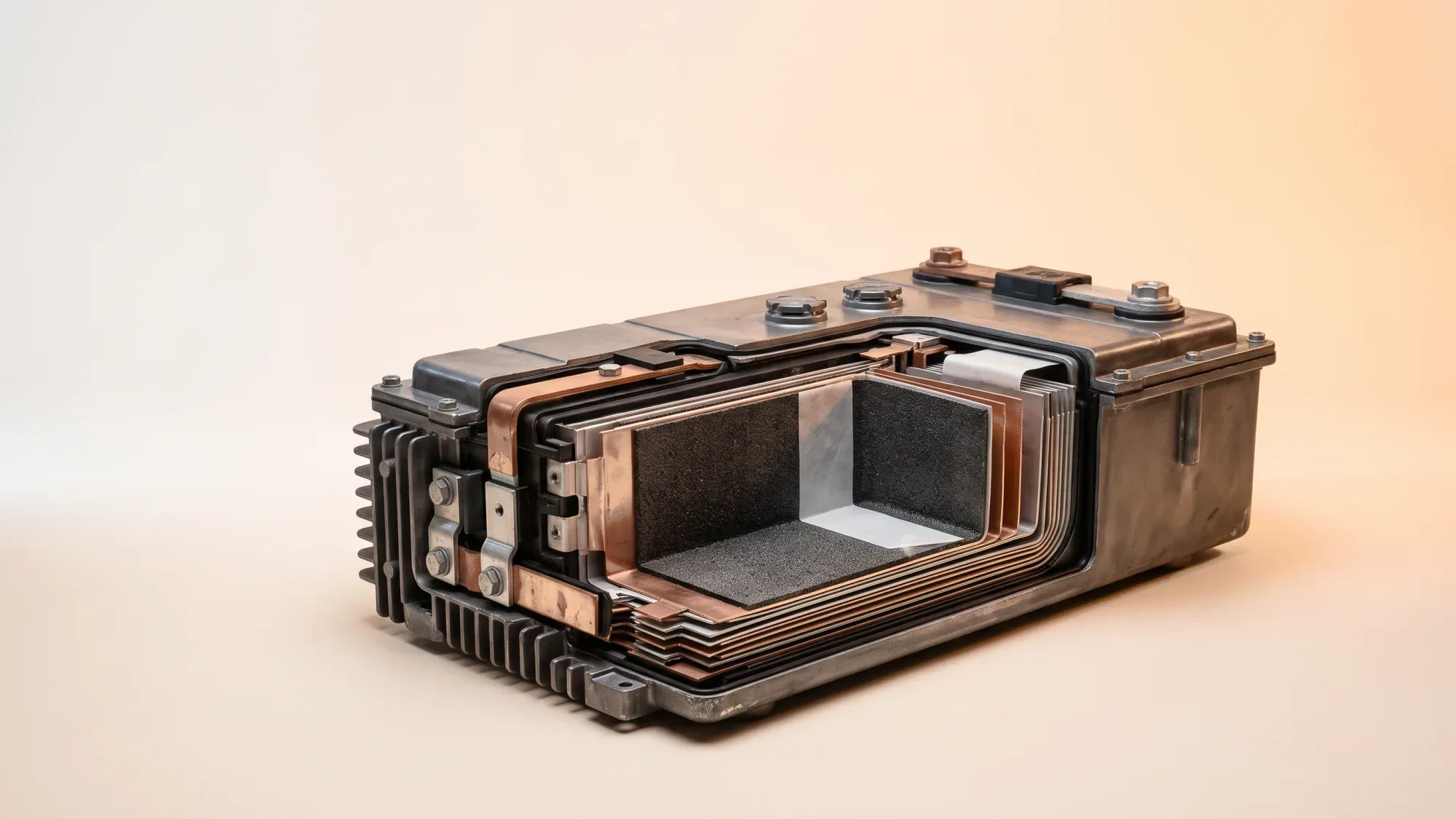
The growing number of electric vehicles (EVs) in the UK presents both an environmental challenge and a significant economic opportunity. Efficiently recycling end-of-life EV batteries is crucial for securing critical mineral supplies and achieving the nation's net-zero targets. Advanced technologies, particularly hydrometallurgy, are transforming how valuable materials are recovered and reused, strengthening the UK's position in the global battery supply chain. UK-based clean technology company Altilium has recently been granted its first UK patent for its innovative EcoCathode EV battery recycling process, marking a key milestone in domestic battery materials production1.
The imperative for EV battery recycling
Why end-of-life EV batteries matter
As EV adoption accelerates, the volume of batteries reaching the end of their useful life is set to increase dramatically. Recycling these batteries is not merely an environmental choice; it is a regulated necessity to prevent hazardous waste from entering landfills and to preserve finite natural resources such as lithium, cobalt, and nickel. This commitment directly supports the UK's broader net-zero ambitions.
Environmental and economic drivers
EV batteries contain valuable critical minerals, including lithium, cobalt, nickel, and graphite, which are essential for their performance. Relying solely on newly mined materials creates environmental burdens and exposes the UK to global supply chain vulnerabilities. By developing domestic recycling capabilities, the UK aims to meet 20% of its industrial demand for critical minerals through recycling by 2035. This strategic move reduces reliance on imported raw materials, strengthens supply chain security, and fosters economic growth through job creation within the green economy.
Advanced recycling technologies in the UK
Beyond traditional methods
Historically, battery recycling often involved less efficient methods, such as pyrometallurgy, which uses high heat to recover metals but can result in material loss and higher energy consumption. These processes typically produce an intermediate "black mass" that still requires further refining, often overseas. The complex chemical composition of modern lithium-ion batteries means they cannot be simply shredded or melted; they demand specialised methods to safely and efficiently retrieve their valuable components.
The role of hydrometallurgy
Hydrometallurgy represents a significant leap forward in battery recycling technology. This advanced process uses chemical solvents to dissolve battery materials, allowing for the precise separation and purification of critical minerals. Unlike older methods, hydrometallurgy can recover a higher purity of materials, making them suitable for direct reuse in new battery manufacturing. This precision is key to unlocking the full value of end-of-life batteries and reducing the environmental footprint of battery production.
Altilium's EcoCathode process: a UK innovation
Patented technology and black mass conversion
Altilium, a UK-based clean technology company, has been granted its first UK patent, GB2637908B, for its innovative EcoCathode EV battery recycling process. This patent protects a hydrometallurgical method designed to recover, purify, and regenerate high-value cathode materials from end-of-life lithium-ion batteries. The EcoCathode process efficiently converts "black mass" - the shredded material from spent batteries - into high-purity, battery-grade materials, including cathode active material (CAM) and precursor CAM (P-CAM), ready for use in new EV batteries.
What is 'black mass' in battery recycling?
'Black mass' is the shredded, processed residue of spent lithium-ion battery cells, containing valuable critical minerals like lithium, cobalt, nickel, and manganese. It is an intermediate product that requires further chemical treatment, such as hydrometallurgy, to extract and refine these materials into battery-grade compounds for reuse.
Dr Christian Marston, Co-Founder and COO of Altilium, highlighted the significance of this achievement, stating that the patent "represents a significant milestone for Altilium and validates years of research and development into creating a truly circular supply chain for battery materials".
Validation and performance of recycled materials
A crucial aspect of Altilium's innovation is the proven quality of its recycled products. Independent validation by Imperial College London has confirmed that the materials recovered through Altilium's EcoCathode process perform comparably to virgin mined materials. This demonstrates their suitability for next-generation battery production without compromising quality or performance. Furthermore, Altilium's process enables critical battery metals to be recovered and regenerated with dramatically lower carbon emissions than traditional mining and refining. Using Altilium's recycled cathode and anode materials can reduce the carbon footprint of a new electric vehicle by 25.4% compared to relying on virgin raw materials.
Strengthening the UK battery supply chain
Reducing reliance on critical mineral imports
The UK's reliance on international markets for the majority of its critical minerals poses a strategic vulnerability. Altilium's closed-loop recycling system helps to mitigate this by keeping valuable critical minerals within the UK's domestic battery supply chain. This approach aligns with the UK's Critical Minerals Strategy, which aims to secure essential supplies for the nation's energy transition and advanced manufacturing sectors. By fostering domestic recycling capabilities, the UK enhances its economic security and reduces susceptibility to global supply disruptions.
Supporting UK manufacturing and the circular economy
The ability to produce high-purity, battery-grade materials from recycled sources directly supports UK manufacturing. These regenerated materials can be integrated back into the production of new EV batteries, fostering a robust domestic industry. This closed-loop system is a cornerstone of the circular economy, ensuring that valuable resources are continuously reused rather than discarded. Such initiatives are vital for creating a sustainable and resilient energy ecosystem, contributing to the UK's long-term energy independence.
The future landscape of UK EV battery recycling
Scaling up commercial operations
The advancements in UK EV battery recycling are moving beyond research and development into commercial-scale operations. Altilium, for instance, plans to establish a large-scale plant in Teesside. This facility is designed to process scrap from over 150,000 EVs annually, producing 30,000 metric tonnes of cathode active material (CAM) each year. This output could meet approximately 20% of the UK's expected CAM demand by 2030. Such developments are crucial for building the necessary infrastructure to handle the increasing volume of end-of-life EV batteries. The UK is actively investing in battery innovation hubs, aiming to build robust domestic processing capabilities.
Policy and investment outlook
The UK government is actively supporting the growth of the battery recycling sector through various policies and funding initiatives. The overarching Critical Minerals Strategy provides strategic direction for companies in this space. These investments are designed to strengthen the UK's competitive advantage in the global battery market and enhance the resilience of its supply chains.
References
Disclaimer
For the avoidance of doubt, this article is provided for informational purposes only and is not intended to constitute legal or financial advice. The author and/or Fuse Energy shall not be responsible for any losses arising out of any reliance on the information contained herein.