Strategies for UK energy transition delivery
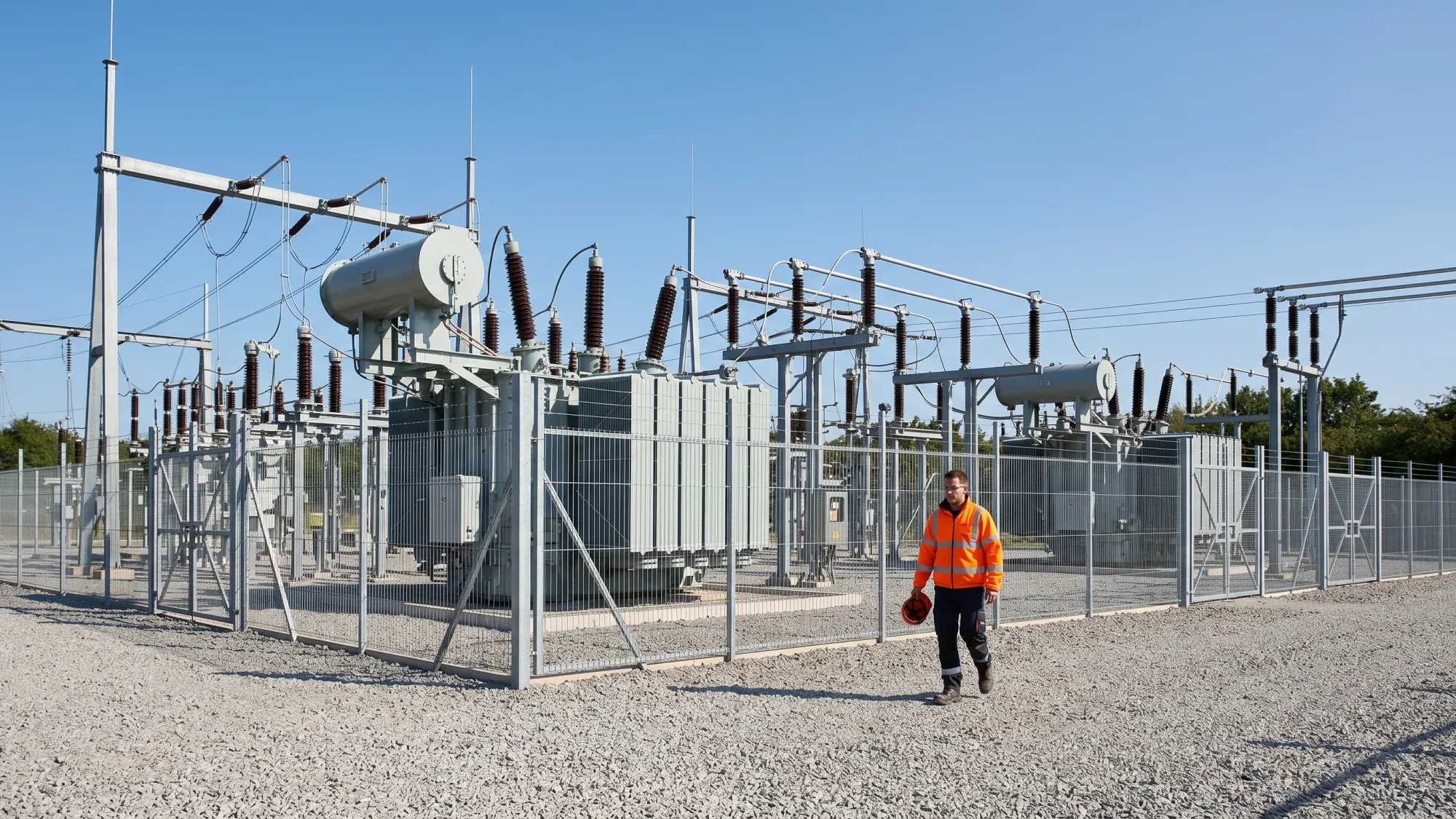
The UK's energy transition faces a critical juncture, where ambition must now translate into tangible infrastructure and efficient execution. Many UK professionals searching for insights into the nation's energy future are really asking one thing: how do we actually get this done?
Understanding the complexities of UK energy transition delivery is crucial, and Fuse Energy is committed to being part of the solution. We're building the infrastructure for a future where energy is abundant, clean, and affordable for your home. Click here to switch to Fuse Energy.
Enter your address to get a quote and see how much you could save
The UK's energy transition: from ambition to delivery
Why delivery is the new frontier
For years, the UK's energy transition has been defined by ambitious targets and significant investment pledges. However, a growing consensus suggests the primary hurdle is no longer a lack of vision, but a "delivery problem"1 - the practical challenge of implementing projects on the ground. Ryan Macdonald, Market Director at AtkinsRéalis, succinctly captures this shift, stating, "whereas the previous stage of the UK’s energy transition was defined by ambition, the next stage will be defined by delivery". Success now hinges on efficient planning, coordination, and rapid execution to build a secure, resilient, and low-carbon energy system.
The imperative of energy security
Recent geopolitical shocks have starkly underscored the critical need for robust energy security. This has intensified the urgency for swift implementation of new energy infrastructure, moving it from a long-term goal to an immediate strategic priority. The ability to generate and distribute energy reliably and domestically is paramount, making the speed of project delivery a national security concern.
Major hurdles in energy infrastructure delivery
Navigating multi-year grid connection timelines
One of the most significant bottlenecks in the UK's energy transition is the protracted timeline for grid connections. Many renewable energy projects, from large-scale solar farms to wind installations, face "multi-year grid connection timelines". These delays can span several years, creating immense uncertainty for developers and investors. Such lengthy waits not only push back project completion dates but also inflate costs and complicate financial modelling.
Managing rising demand from electrification and decarbonisation
The UK's commitment to electrification and industrial decarbonisation is set to drive a substantial increase in electricity demand. As industries switch from fossil fuels to electric processes and transport electrifies, the existing grid infrastructure faces unprecedented strain. Managing this rising demand requires not just new generation capacity, but also significant upgrades and expansion of the transmission and distribution networks. Without these upgrades, the benefits of new clean energy sources cannot be fully realised.
Impact on investment decisions
The combination of multi-year grid connection delays and the complexities of managing rising demand fundamentally shifts investment decisions. Projects that appear viable on paper can become unattractive when faced with uncertain timelines and escalating costs associated with grid access. This deters both domestic and international capital, slowing down the pace of the transition. Investors naturally gravitate towards markets where regulatory certainty and infrastructure readiness minimise risk and offer clearer pathways to return.
Accelerating delivery: key strategic pillars
Overcoming these delivery challenges requires a multi-faceted approach, focusing on systemic improvements rather than piecemeal solutions.
Integrated organisations and collaborative approaches
Fragmented approaches to energy project development often lead to inefficiencies and increased costs. The solution lies in fostering integrated organisational structures that can manage projects from conception to completion. This means greater collaboration across developers, grid operators, regulators, and local authorities. By working together, stakeholders can streamline processes, share data, and anticipate challenges earlier, ensuring a more cohesive and efficient delivery pipeline.
What is an integrated approach to energy project delivery?
An integrated approach to energy project delivery involves fostering collaboration across all stakeholders, including developers, grid operators, regulators, and local authorities. This unified strategy aims to streamline processes, share data, and anticipate challenges early, ensuring projects move from planning to execution more efficiently and cost-effectively.
The role of standardisation in project execution
The bespoke nature of many energy infrastructure projects adds complexity and cost. Implementing greater standardisation across components, processes, and contractual frameworks can significantly improve efficiency. Standardisation can reduce manufacturing lead times, simplify procurement, and accelerate construction. It also makes projects more predictable, which in turn lowers risk and attracts more investment.
Leveraging digital tools for risk reduction and efficiency
The adoption of advanced digital tools and data analytics is crucial for optimising energy project delivery. Digital twins, AI optimisation, and sophisticated project management software can provide real-time insights, identify potential risks, and improve decision-making. These tools can model complex grid interactions, forecast demand, and simulate project outcomes, leading to more efficient planning, reduced costs, and fewer delays.
Aligning policy with practical implementation
For the UK's energy transition to succeed, national policy must be firmly anchored in the practical realities of regional delivery.
Bridging national policy and regional delivery priorities
National energy policy often sets ambitious targets, but these must be closely aligned with regional delivery priorities and capabilities. What works in one region, with its specific geographical, industrial, and social characteristics, may not be suitable for another. Effective policy requires a bottom-up understanding of local needs, infrastructure constraints, and community engagement. This ensures that national goals are translated into actionable, regionally appropriate plans that can be executed efficiently.
Embedding environmental considerations early
The planning and consent process for new energy infrastructure can be lengthy and complex, often due to environmental considerations. By embedding environmental considerations and planning early in the project lifecycle, developers can streamline consent processes. This proactive approach allows for potential impacts to be identified and mitigated from the outset, reducing the likelihood of delays and objections later on. It also ensures that projects are developed in a way that respects and enhances the natural environment.
Building a resilient, low-carbon energy system
Efficient planning and coordinated execution
The next stage of the UK's energy transition demands a relentless focus on efficient planning and coordinated execution. This means moving beyond aspirational targets to concrete, scalable solutions that address infrastructure bottlenecks and grid connection delays. It requires a commitment to continuous improvement, learning from past projects, and adapting strategies to meet evolving challenges.
"Whereas the previous stage of the UK’s energy transition was defined by ambition, the next stage will be defined by delivery." — Ryan Macdonald, Market Director, AtkinsRéalis
Fuse Energy is addressing the UK's energy delivery problem by demonstrating how a vertically integrated approach and advanced technology can overcome infrastructure bottlenecks. By aiming to deploy large-scale solar and storage, and leveraging digital twins and AI optimisation, Fuse seeks to rebuild the energy system from scratch, ensuring the delivery of abundant, clean energy. This optimistic yet rigorous approach provides a practical pathway to a secure, low-carbon future.
The future of UK energy security
Ultimately, the successful delivery of the UK's energy transition will define the nation's energy security for decades to come. By tackling the 'delivery problem' head-on through integrated organisations, standardisation, digital tools, and aligned policy, the UK can build a truly resilient, low-carbon energy system. This future is not just about meeting climate targets; it is about ensuring a stable, affordable, and sustainable energy supply for all.
For homeowners looking to be part of the solution, Fuse Energy offers a modern approach to energy supply. We provide clear pricing, real-time usage data through our app, and 24/7 human customer support, making it easier to manage your home's energy. Our goal is to deliver the abundant, clean energy the future requires, helping you live fully today while securing tomorrow. Discover more about our mission here and click here to switch to Fuse Energy today.
References
- New Civil Engineer. What it really takes to deliver the UK’s energy transition
Disclaimer
For the avoidance of doubt, this article is provided for informational purposes only and is not intended to constitute legal or financial advice. The author and/or Fuse Energy shall not be responsible for any losses arising out of any reliance on the information contained herein.