The UK energy transition
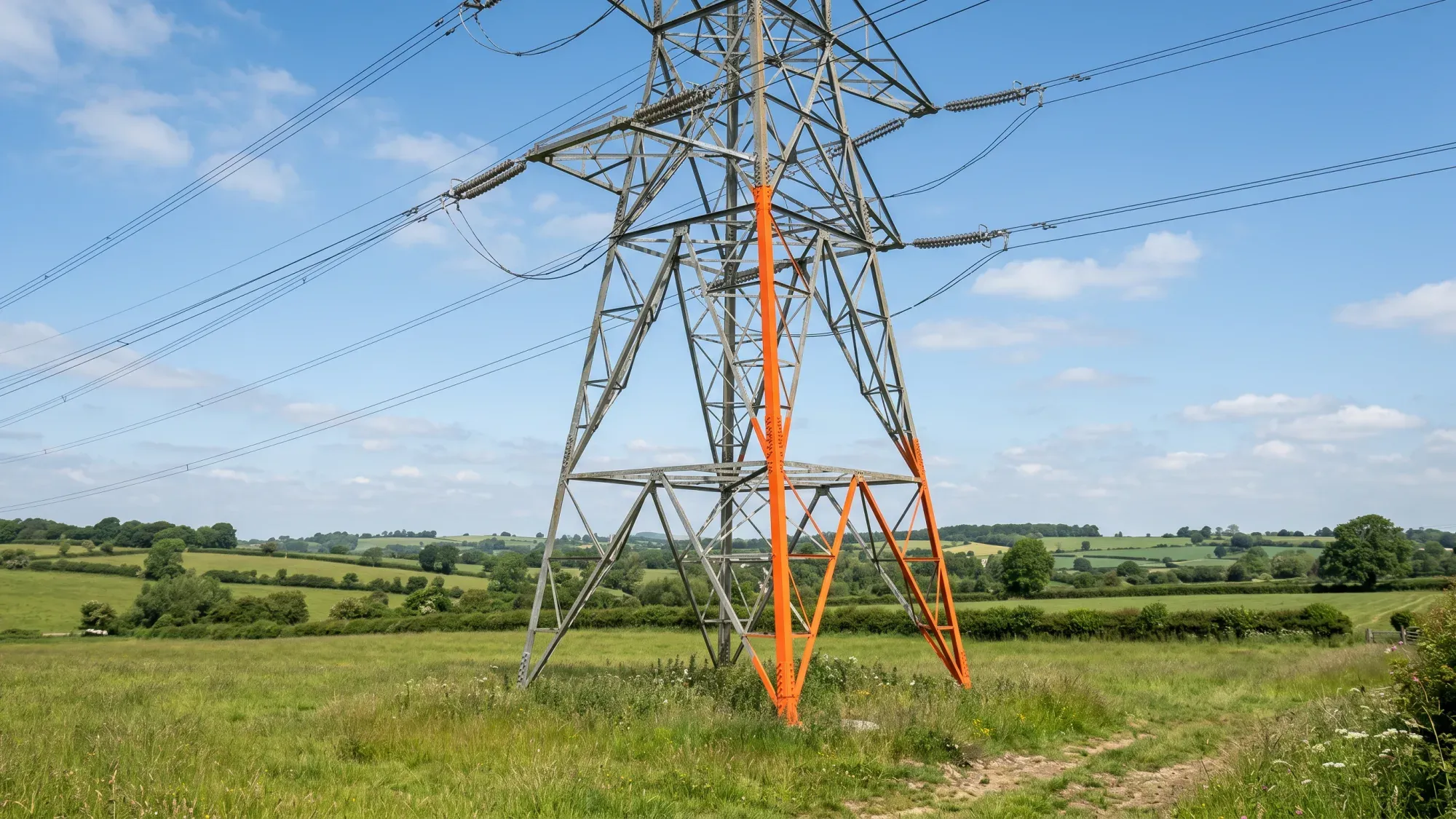
Many UK professionals and engaged citizens are seeking a clear understanding of the nation's energy transition, often grappling with conflicting narratives. While some question the pace of progress, others, like Rob Gilbert, Director of Supply Chain at Great British Energy, witness a tangible transformation. Gilbert notes the stark contrast between public perception and the reality on the ground, observing significant engineering scale in yards, ports, and factories across the country. "The two experiences do not feel like they are about the same country," he remarks, highlighting a disconnect that this strategic outlook aims to bridge.
This period is not merely about policy adjustments or environmental compliance; it represents a profound opportunity for industrial renewal, enhanced energy security, and the delivery of abundant, clean power. From an engineering-led, abundance-first perspective, the UK's energy transition is a testament to strategic investment and a commitment to rebuilding the energy system from the ground up, moving beyond narratives of scarcity to embrace a future of prosperity.
The UK's energy transition is a journey towards a more secure and sustainable future. Fuse Energy is committed to delivering the abundant, clean energy this future requires, making it easier for you to manage your home's energy. Click here to switch to Fuse Energy today.
Enter your address to get a quote and see how much you could save
The UK's strategic vision for a clean energy superpower
The UK has set an ambitious course to become a "clean energy superpower", a vision underpinned by strategic policy and substantial investment. This commitment extends beyond environmental targets, aiming to secure the nation's energy future and catalyse economic growth.
Setting the net-zero ambition
The UK was an early leader in setting net-zero targets, demonstrating a long-term commitment to decarbonisation. This ambition is not just about reducing emissions; it is about fundamentally reshaping the energy landscape. The government's mission emphasises renewables, nuclear power, manufacturing, and job creation, positioning the energy transition as a cornerstone of national prosperity.
Beyond policy: an engineering perspective
While policy sets the direction, the true measure of progress lies in its execution. Rob Gilbert's observations underscore the physical reality of this transition. He sees "significant engineering scale" - a clear indicator that the UK is not just planning for a clean energy future, but actively building it. This hands-on, engineering-led approach is crucial for transforming strategic goals into tangible infrastructure, challenging the notion that the transition is solely a burden.
Energy security as a driving force
The pursuit of clean energy is inextricably linked to national energy security. By diversifying its energy mix and increasing domestic generation, particularly from renewable sources, the UK aims to reduce reliance on volatile international markets. This strategic shift is designed to enhance resilience, stabilise supply, and ensure a more predictable energy future for homes across the country.
Offshore wind: the engine of UK energy transition
Offshore wind power stands as a cornerstone of the UK's energy transition strategy, rapidly expanding its capacity and transforming coastal regions into global energy hubs.
East of England: a global offshore wind hub
The East of England exemplifies this transformation, having become "home to one of the largest concentrations of offshore wind capacity anywhere on the planet". This region's strategic location and natural resources have made it a powerhouse for renewable energy generation, attracting investment and fostering a specialised ecosystem of supply chain businesses and skilled workers. The sheer scale of development here offers a glimpse into the UK's future energy landscape.
Major projects driving capacity growth
Across the UK, a pipeline of major offshore wind projects is driving unprecedented capacity growth. Iconic developments such as Dudgeon, East Anglia, Sheringham Shoal, Greater Gabbard, Hornsea 3, and Norfolk Vanguard are not just generating clean electricity; they are creating thousands of jobs and cementing the UK's position as a leader in offshore wind technology. This expansion has contributed significantly to the doubling of UK wind and solar generation, alongside the strategic phasing out of coal power.
Integrating offshore wind into the UK grid
The rapid expansion of offshore wind capacity necessitates robust grid infrastructure. Integrating these vast new sources of power into the National Grid is a complex engineering challenge, requiring significant investment in transmission lines, substations, and smart grid technologies. This ongoing work is vital to ensure that the clean energy generated offshore can reliably reach homes across the country, underpinning the UK's energy security.
Industrial renewal and the UK supply chain
The energy transition is not just about power generation; it is a powerful catalyst for industrial renewal, driving investment in heavy manufacturing and fostering a robust domestic supply chain.
Great british energy's role in manufacturing
Great British Energy is set to play a pivotal role in this industrial resurgence through its £1 billion Energy Engineered in the UK (EEUK) programme. This initiative aims to boost heavy manufacturing, ensuring that the components and expertise needed for the energy transition are developed and produced domestically. The programme focuses on job creation and integrating UK supply chains, aiming to build a resilient industrial base.
Boosting the UK energy supply chain
The EEUK programme is designed to integrate UK supply chains more deeply into the renewable energy sector. This means supporting businesses involved in everything from turbine blade manufacturing and foundation fabrication to subsea cable production and installation services. By simplifying finance and creating a blended finance ecosystem, Great British Energy aims to make life simpler for businesses, helping them to grow within the clean energy market.
Job creation and the green economy
This industrial renewal translates directly into significant job creation, fostering a thriving green economy. The expansion of offshore wind, coupled with investment in manufacturing and supply chain development, is generating thousands of clean energy jobs across various skill levels. From engineers and technicians to project managers and factory workers, the energy transition is creating new career pathways and revitalising regional economies, contributing to a sustainable energy UK.
Funding the transition: investment and public finance
The ambitious scale of the UK's energy transition requires substantial financial backing, drawing on both public finance and private investment to drive progress.
Great british energy's investment programmes
Under the EEUK programme, Great British Energy is deploying significant capital to accelerate the transition. A £300 million offshore wind and networks fund is already live, providing crucial support for projects and infrastructure development. Furthermore, a £500 million Investment Fund is scheduled to launch later this year, targeting strategic investments across the clean energy sector. These funds are part of creating a single ecosystem of blended finance, designed to make life simpler for businesses.
Attracting renewable energy investment
Beyond public initiatives, the UK is actively working to attract broader renewable energy investment. By creating a stable regulatory environment and offering clear policy signals, the aim is to make the UK an attractive destination for global capital seeking opportunities in sustainable energy. This includes investment in new generation capacity, grid upgrades, and innovative energy technologies, all contributing to the UK green economy.
Simplifying finance for UK businesses
A key objective of these funding mechanisms is to simplify finance for businesses operating within the UK energy supply chain. Navigating complex funding landscapes can be a barrier for smaller and medium-sized enterprises. By streamlining access to capital and providing targeted support, Great British Energy aims to make life simpler for businesses, fostering the growth of domestic companies crucial to the energy transition.
Navigating challenges and seizing opportunities
While the path to a clean energy superpower is not without its complexities, the UK is strategically addressing challenges and positioning itself to capitalise on unprecedented opportunities.
Addressing infrastructure gaps
One of the primary challenges lies in addressing existing energy infrastructure gaps. Modernising and expanding the grid to accommodate vast amounts of intermittent renewable energy, such as offshore wind, requires significant investment and careful planning. Projects are underway to upgrade transmission networks and enhance grid flexibility, ensuring that the UK's energy infrastructure can support its clean energy ambitions.
The defining moment for industrial growth
The current period is widely seen as a pivotal time for the UK's industrial future. Rob Gilbert encapsulates this sentiment, stating:
"Being different right now matters because the energy transition is at a defining moment."1 — Rob Gilbert, Director of Supply Chain, Great British Energy
This perspective underscores the urgency and the immense opportunity for industrial growth and innovation. The choices made today will shape the UK's economic landscape for decades, driving a new era of manufacturing and technological leadership.
A future of abundant, clean energy
Ultimately, the UK's energy transition is building towards a future of abundant, clean energy. This vision, championed by entities like Fuse Energy, challenges the scarcity mindset, asserting that human progress thrives on more energy, not less. By vertically integrating and rebuilding the energy system from scratch, the aim is to deliver terawatt-hours of the cheapest, cleanest energy possible, unlocking new possibilities for homes. This strategic outlook is not just about meeting targets; it is about creating a more secure, prosperous, and sustainable future for the UK.
Managing your home's energy should be straightforward and transparent. Fuse Energy offers clear pricing, real-time usage data through our app, and 24/7 human customer support to help you take control of your energy bills. We believe in making energy abundant and accessible, not a source of worry. Join us in building a future where energy empowers, rather than constrains. Click here to switch to Fuse Energy today. You can also learn more about our mission to deliver abundant, clean energy by clicking here.
References
- Yahoo News. A defining moment for the energy transition
Disclaimer
For the avoidance of doubt, this article is provided for informational purposes only and is not intended to constitute legal or financial advice. The author and/or Fuse Energy shall not be responsible for any losses arising out of any reliance on the information contained herein.