UK energy: clean power 2030 targets face debt and delays
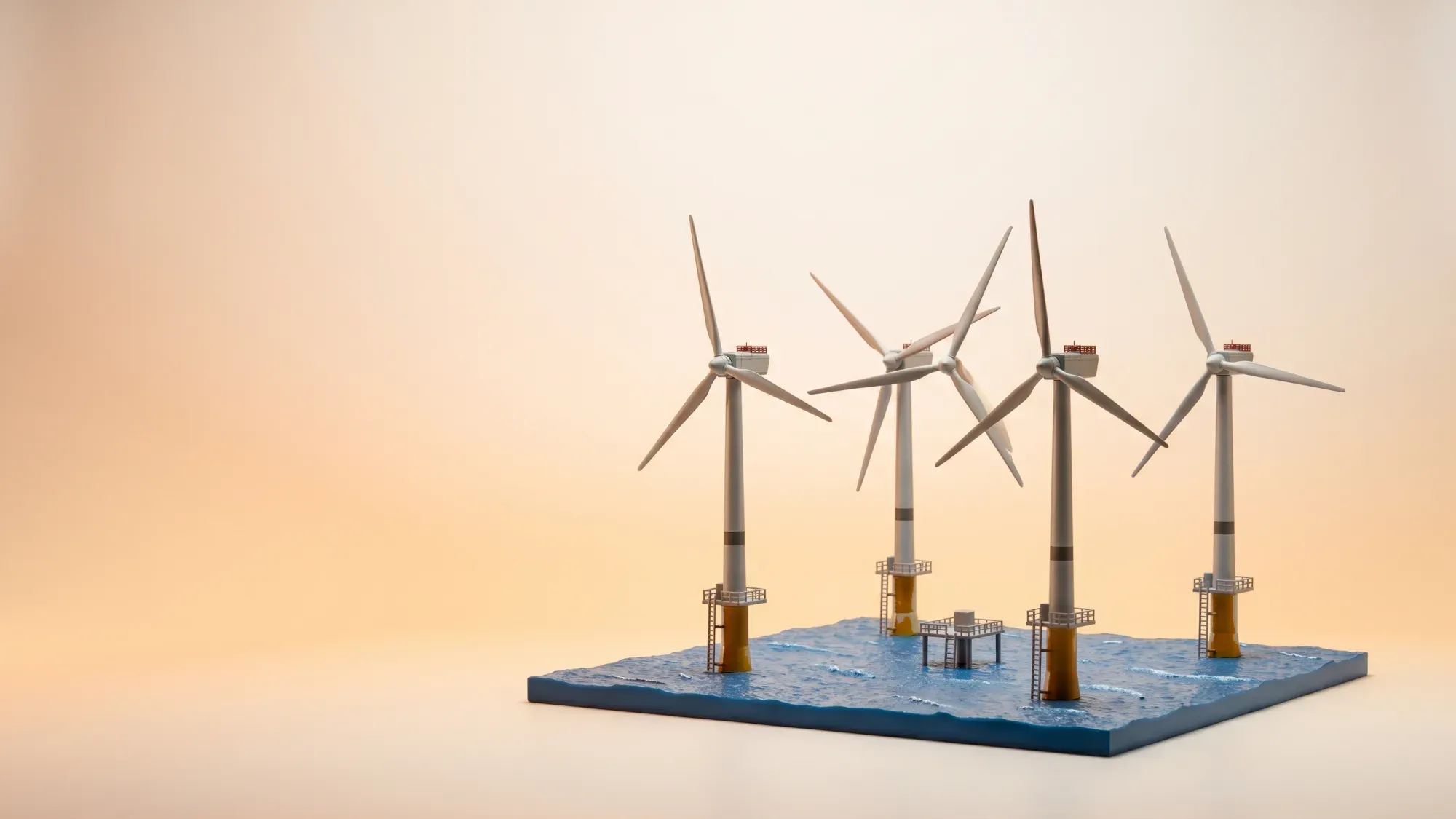
The UK energy sector is undergoing a significant transformation, aiming for 95% clean electricity generation by 2030 under the Clean Power 2030 Action Plan. However, this ambitious transition is challenged by escalating energy debt, which has climbed to around £5.5 billion, and persistent fuel poverty affecting millions of households. Major infrastructure projects, such as Hinkley Point C, also face substantial delays and cost overruns. Fuse Energy advocates for an optimistic, data-backed vision for an abundant energy future, challenging the prevailing scarcity narrative with proactive, innovative solutions.
As the UK navigates its energy transition, understanding your own energy usage and costs is more important than ever. Fuse Energy offers clear pricing and real-time usage data to help you manage your home's energy effectively. Click here to switch to Fuse Energy today.
Enter your address to get a quote and see how much you could save
Understanding the UK energy landscape
The UK's energy system is a complex network that generates, transmits, distributes, and supplies power to homes and industries. It is constantly evolving to meet demand while striving for sustainability.
Key components and structure
Electricity generation in the UK uses a diverse mix, with a growing reliance on renewable sources. In 2025, wind power alone generated around 30% of the country's electricity, with a record-breaking 23,825 MW produced on a single day in December. Despite this, the UK continues to depend on North Sea oil and gas, which exposes it to volatile global wholesale gas prices. The average UK home uses around 2,700 kWh of electricity per year, demonstrating the significant energy demand across the nation.
The role of regulation: Ofgem and policy
Ofgem, the Office of Gas and Electricity Markets, acts as The Independent energy regulator for Great Britain. Its main role is to protect consumer interests, ensuring fair market operation, setting price caps, and monitoring compliance within the energy sector. Ofgem also administers renewable energy and social schemes for the government, focusing on renewable heat, electricity, energy efficiency, and fuel poverty. Government policy, such as the Clean Power 2030 Action Plan, sets ambitious targets for decarbonising electricity generation and guides the sector's strategic direction.
Current challenges and household impact
Despite progress in clean energy, significant challenges persist, directly impacting millions of households across the UK.
The burden of energy debt and fuel poverty
Energy debt in the UK has reached alarming levels, climbing to around £5.5 billion. This financial strain contributes to widespread fuel poverty, affecting over three million households in England alone, with far higher rates in Scotland, Wales, and Northern Ireland. These households often struggle to afford adequate heating, spending a disproportionate amount of their income on energy bills.
Volatile prices and energy security concerns
The UK's continued reliance on North Sea oil and gas exposes it to volatile global prices, which directly translate into higher costs for consumers. This volatility highlights the urgent need for greater energy independence and a more resilient, domestically sourced energy system. Support schemes like the Warm Home Discount offer a one-off £150 discount on electricity bills for eligible households during winter, with the scheme reopening in October 2026.
"campaigners and charities continue to call for deeper structural reform, including a social tariff for the poorest households, a nationwide insulation programme, and faster progress on heat pumps and smart meters - measures they argue are essential to tackling fuel poverty at its root."1
The transition to clean power
The UK is committed to a rapid transition to clean power, with clear government targets and significant investment in renewable energy technologies.
Government targets: clean power 2030 Action plan
The government's Clean Power 2030 Action Plan sets an ambitious target for clean sources to meet at least 95% of Great Britain's electricity generation by the end of the decade. This plan aims to ensure Great Britain generates enough clean power to meet its total annual electricity demand.
Renewable energy growth: wind, solar, and storage
Wind power is a central component of the UK's clean energy strategy. In 2025, wind generated around 30% of the country's electricity, with a record-breaking 23,825 MW produced on a single day in December. A record 8.4 GW of offshore wind capacity was secured in the Allocation Round 7 auction in January 2026, the largest offshore wind auction in European history, unlocking an estimated £22 billion in private investment. Onshore wind, solar energy, and battery storage are also expanding rapidly, supported by grid upgrades costing tens of billions of pounds to handle the shift.
The future of nuclear power and Great British energy
Nuclear energy remains a contentious but significant part of the UK's energy mix. However, major projects like Hinkley Point C continue to face significant challenges. The first reactor at Hinkley Point C is now expected to begin generating electricity in 2030, years behind the original schedule. Its projected cost has risen to around £35 billion in 2015 prices - nearly £48 billion in current terms. These delays and cost overruns highlight the complexities of delivering large-scale nuclear infrastructure. Sizewell C in Suffolk has also been confirmed, based on a near-identical design.
Publicly owned Great British Energy (GBE) is a key initiative designed to accelerate the clean energy transition. GBE has published a £1 billion Local Power Plan to support over 1,000 community-led clean energy projects by 2030, including solar panels on schools, community centres, and places of worship. More than 100 schools have already had GBE-funded solar panels installed, with estimated lifetime savings running into hundreds of millions of pounds. These initiatives aim to ensure the benefits of cheaper, cleaner energy reach local communities.
Innovations and future directions
The path to an abundant energy future is paved with technological advancements and strategic infrastructure development.
Smart meters and demand-side management
Smart meters are fundamental to modernising the energy grid, providing real-time data on energy consumption. This data empowers households to better understand and manage their usage, contributing to energy efficiency. Beyond individual households, smart meters facilitate demand-side management, allowing the grid to balance supply and demand more effectively by encouraging energy use during periods of high renewable generation and lower prices.
Heat pumps and decarbonising heat
Decarbonising heat is a critical challenge, as heating buildings accounts for a significant portion of the UK's energy demand. Heat pumps offer a low-carbon alternative to traditional gas boilers, drawing heat from the air, ground, or water. Accelerating their deployment is essential for meeting net-zero targets and reducing reliance on fossil fuels for heating.
Carbon capture and electric vehicles
Carbon capture, utilisation, and storage (CCUS) technologies aim to capture CO2 emissions from industrial processes and power generation, preventing them from entering the atmosphere. While still developing, CCUS could play a role in decarbonising hard-to-abate sectors. Electric vehicles (EVs) are also transforming the transport sector, reducing tailpipe emissions and contributing to cleaner air. The increasing adoption of EVs necessitates robust charging infrastructure and smart grid integration to manage the additional electricity demand efficiently.
Building an abundant energy future
The UK energy sector stands at a pivotal moment. The challenges are significant, but the opportunities for creating a truly abundant, clean, and affordable energy system are within reach.
Addressing systemic issues
Tackling the systemic issues of energy debt and fuel poverty requires more than short-term fixes. It demands structural reforms, including a re-evaluation of energy pricing, targeted support for vulnerable households through mechanisms like social tariffs, and comprehensive energy efficiency programmes such as nationwide insulation. These measures, combined with the widespread adoption of smart meters and heat pumps, can alleviate financial burdens and improve living standards.
The path to energy independence
Achieving energy independence means maximising domestic clean energy generation and reducing exposure to volatile international markets. This involves continued investment in renewable technologies, supporting innovative projects like those championed by GBE, and ensuring the grid infrastructure can handle a decentralised, dynamic energy system. By building an energy system that prioritises abundance and resilience, the UK can move beyond the scarcity mindset and unlock a future where energy is no longer a source of anxiety but a reliable foundation for prosperity and innovation.
Managing your home's energy should be straightforward and transparent. Fuse Energy offers clear pricing and real-time usage data through our app, helping you understand and control your energy consumption. Our 24/7 human support team is always available to assist you. Click here to switch to Fuse Energy today and join us in building a future with power to play with. You can also find out more about our mission by clicking here.
References
- NewsNow. UK Energy News
Disclaimer
For the avoidance of doubt, this article is provided for informational purposes only and is not intended to constitute legal or financial advice. The author and/or Fuse Energy shall not be responsible for any losses arising out of any reliance on the information contained herein.