UKERC identifies 10 Long-Duration energy storage technologies
The UK's journey towards a net zero future relies heavily on robust energy research, with institutions like the UK Energy Research Centre (UKERC) leading innovation. These centres are vital for developing the technologies and policies needed to secure the nation's energy supply, reduce carbon emissions, and make energy more affordable for everyone. Their work, spanning from advanced energy storage to electricity market reform, directly influences the strategic direction of the UK's energy transition.
Understanding the latest energy research, like UKERC's work on Long-Duration energy storage, can help you make informed decisions about your home's energy use and future upgrades. Fuse Energy is committed to making clean, affordable energy accessible, aligning with the goals of these research efforts. Click here to switch to Fuse Energy today.
Enter your address to get a quote and see how much you could save
The vital role of UK energy research centres
UK energy research centres play a pivotal role in navigating the complex challenges of the energy transition, providing the evidence and insights necessary for informed decision-making. They act as crucial bridges between academic discovery and practical application, ensuring that the UK remains a leader in sustainable energy.
Coordinating national energy strategy
The UK Energy Research Centre (UKERC) serves as a national focal point for interdisciplinary research into sustainable future energy systems. Established in 2004, UKERC has become a trusted source of impartial analysis, valued by policymakers, industry, and non-governmental organisations. Its research directly informs UK energy policy, contributing to net zero targets and energy security. The Energy Minister underscored UKERC's crucial role, stating, "We Will be Relying on you More Than Ever" at the 2026 UKERC Annual Assembly.
Bridging academia and practical application
UKERC's approach involves bringing together diverse disciplines, institutions, and research infrastructure from across the UK. This collaborative model ensures that research findings are not only academically rigorous but also practically applicable. By engaging with relevant users and project partners, UKERC accelerates the impact of its research, translating insights into tangible policy recommendations and real-world applications.
Understanding the UK Energy Research Centre (UKERC)
UKERC conducts world-class, interdisciplinary research into sustainable future energy systems, aiming to accelerate the journey to net zero by 20501.
UKERC's mission and structure
UKERC's mission is to deliver strategic and independent research and evidence synthesis. It achieves this by fostering collaboration across various research councils, including the Engineering and Physical Sciences Research Council (EPSRC) and the Economic and Social Research Council (ESRC), both part of UK Research and Innovation (UKRI). The centre's secretariat is based at Imperial College London, with a multi-university, interdisciplinary collaboration informing the low-carbon energy transition.
Funding and key collaborations
UKERC receives significant funding to support its research programmes. For instance, it was awarded £11 million between 2024 and June 2029 from EPSRC and ESRC. This funding enables UKERC to undertake responsive and policy-focused research, addressing critical evidence gaps in energy policy and responding to emerging issues. Collaborations extend to government departments, industry, and other academic institutions, ensuring a broad impact for its findings.
Pioneering research for a resilient energy system
UKERC's research agenda covers a wide array of topics crucial for the UK's energy future, from technological advancements to market reforms.
Advancing Long-Duration energy storage
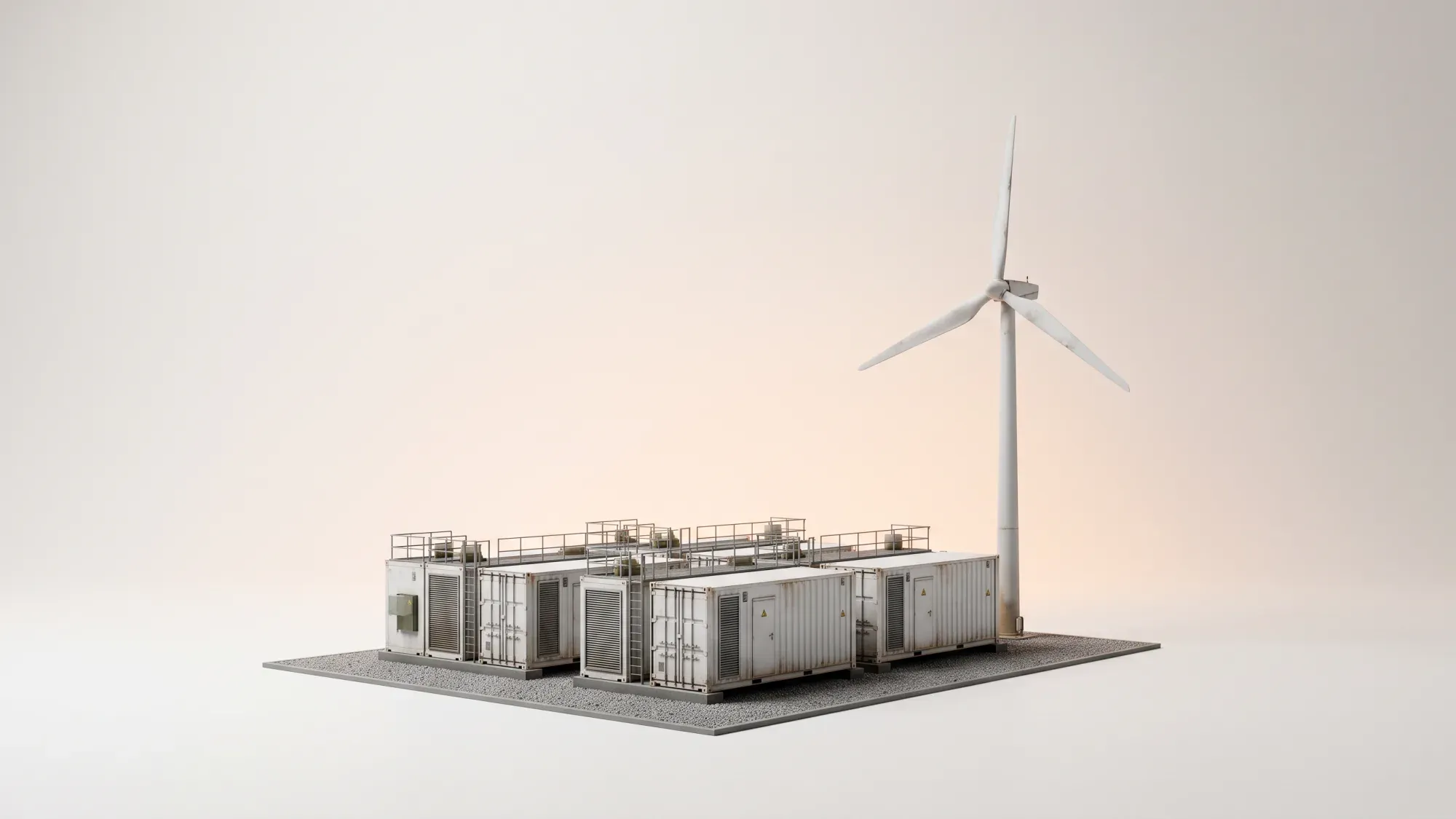
Long-Duration energy storage (LDES) is vital for a resilient, net zero electricity system. Its importance is also highlighted by the UK Parliament, especially given the intermittency of renewable sources like wind and solar. UKERC has identified 10 technologies for Long-Duration energy storage and flexible power that could support the UK's transition to a low-carbon electricity system. These include five Ultra-LDES technologies, such as hydrogen stored in salt caverns, metal-air batteries, flow batteries, adiabatic compressed air energy storage, and pumped hydro storage. The research highlights that no single technology is a universal solution, suggesting that a combination of different technologies working together will likely be required for least-cost net zero pathways.
What is Ultra-Long Duration Energy Storage (Ultra-LDES)?
Ultra-Long Duration Energy Storage (Ultra-LDES) refers to technologies capable of storing clean electricity for 100 hours or more, enough to power homes and businesses for at least four days. These systems are crucial for balancing the grid during extended periods of low renewable generation, strengthening energy security, and protecting households from price spikes.
Reforming electricity markets for affordability
UKERC reports detail practical reforms that could reduce UK electricity bills. The research argues that despite cheaper renewable electricity, many households do not see the full financial benefits due to how electricity prices are calculated and how policy costs are recovered. UKERC believes that reforming the electricity market could help ensure consumers benefit more directly from the UK's growing supply of low-cost renewable energy. These reforms aim to support consumers and businesses by rethinking electricity markets and learning from global price shocks.
Decarbonisation across sectors
Beyond electricity, UKERC's work extends to decarbonisation across various sectors, including transport and industry. This includes research into low-carbon transport solutions and industrial decarbonisation strategies. The goal is to ensure a comprehensive approach to achieving net zero, addressing emissions from all major economic activities.
UKERC's influence on policy and the energy transition
UKERC's research is not merely academic; it actively shapes policy and guides the UK's energy transition.
Informing government initiatives
The UKERC's findings directly inform government initiatives. For example, its research on Long-Duration energy storage supports government programmes like the Ultra-Long Duration Energy Storage (Ultra-LDES) Challenge. This challenge offers grants for clean energy storage, backed by £28 million from the government through UKRI, to develop technologies capable of supplying clean electricity for 100 hours or more.
Shaping the path to net zero
By providing rigorous, independent analysis, UKERC plays a critical role in the energy policy landscape, helping to shape the path to net zero. Its research covers areas such as energy affordability, infrastructure delivery, geopolitics, and energy security, all contributing to a holistic understanding of the challenges and opportunities in the energy transition.
Public engagement and infrastructure acceptance
UKERC also recognises the importance of public engagement in the energy transition. Its research includes topics like public acceptance of electricity infrastructure and clean energy policy, ensuring that the move to a sustainable energy system is socially equitable and widely supported.
Connecting research to an abundant energy future
The insights generated by institutions like UKERC are fundamental to building a future where energy is abundant, clean, and affordable.
Translating insights into real-world impact
UKERC's focus on translating research into practical applications means that its findings have real-world impact. From identifying promising energy storage technologies to proposing reforms that could make energy more affordable, the centre's work directly contributes to a more resilient and sustainable energy system for the UK.
The future of UK energy
The future of UK energy hinges on continued innovation and informed policy-making. Research from organisations like UKERC provides the foundational knowledge needed to navigate complex energy challenges, ensuring that the UK can achieve its net zero targets while maintaining energy security and affordability. Fuse Energy aligns with this vision, working to deliver abundant, clean, and affordable energy by leveraging insights from cutting-to-edge research to rebuild the energy system.
Managing your energy bills should be clear and easy to understand. Fuse Energy focuses on straightforward pricing, so you can see exactly what you're paying without unnecessary complexity. If you have a smart meter, you can view detailed usage data through the app or website, helping you understand how you can lower your bills. Our 24/7 human support team is always on hand with fast response times whenever you need help. Click here to switch to Fuse Energy today. Find out about our mission by clicking here.
References
- UK Energy Research Centre. News | UKERC | The UK Energy Research Centre
Disclaimer
For the avoidance of doubt, this article is provided for informational purposes only and is not intended to constitute legal or financial advice. The author and/or Fuse Energy shall not be responsible for any losses arising out of any reliance on the information contained herein.