UK electrification: powering an abundant future
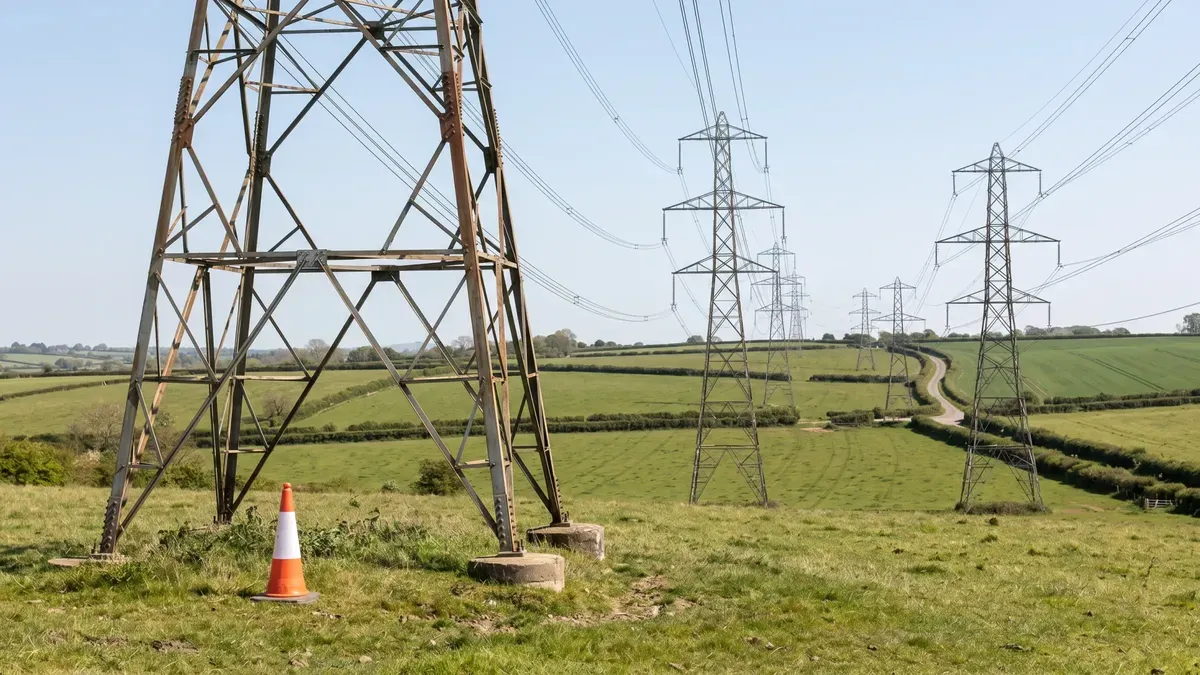
The UK faces a critical choice: continue its reliance on volatile fossil fuels or embrace widespread electrification. Many are asking if this transition is an unavoidable cost or a genuine opportunity. The truth is, faster, more coordinated electrification offers significant and lasting economic benefits for the nation, moving us towards a future of energy abundance rather than scarcity. This isn't just about meeting climate targets; it's about building economic resilience, enhancing energy security, and fostering a cleaner, more prosperous society across all sectors.
Embracing electrification means taking control of your energy future. Fuse Energy is here to help you navigate this transition with clear pricing and smart tools. Click here to switch to Fuse Energy today.
Enter your address to get a quote and see how much you could save
The imperative for UK electrification
The drive towards electrification in the UK is propelled by more than just environmental concerns. It's a strategic necessity for economic stability and national security.
Beyond decarbonisation: economic resilience
As the UK grapples with persistent energy price rises, the choice becomes stark: maintain dependence on fossil fuels, or pursue electrification. This isn't a zero-sum game; it's an investment in future prosperity. Electrification across transport, heating, and industry promises to decouple the UK economy from the unpredictable global fossil fuel markets, offering a pathway to stable, lower energy costs.
Bev Cornaby, Director of the Corporate Leaders Group (CLG) UK, argues that faster, more coordinated electrification can deliver significant and lasting economic benefits for the UK.
Reducing fossil fuel dependence and enhancing energy security
Electrification directly addresses the UK's historical reliance on imported fossil fuels, a dependency that has exposed households and businesses to volatile international prices. By shifting to domestically generated clean electricity, the UK can enhance its energy security and achieve greater energy independence. This transition builds a more resilient energy system, less susceptible to geopolitical shocks and price fluctuations, ultimately benefiting national security and economic stability.
Electrifying key sectors: progress and potential
While rail electrification often captures headlines, a comprehensive national strategy must extend far beyond, encompassing heating, road transport, and industrial processes.
Rail electrification: a foundation for progress
Rail electrification has long been recognised as a cleaner, more efficient mode of transport. As of October 2023, approximately 38% of the British rail network was electrified1. This progress demonstrates the feasibility and benefits of electrification, including reduced carbon emissions, quieter journeys, and lower operating costs for train operators. However, this figure also highlights the significant work still required to fully modernise the network and unlock its full potential. Expanding rail electrification is a vital component of a broader strategy, setting a precedent for other sectors.
Transforming road transport and heating
The national electrification strategy must extend beyond rail to include heating, road transport, and industrial processes. In road transport, the rapid adoption of electric vehicles (EVs) is a clear indicator of this shift. Government incentives and expanding charging infrastructure are accelerating this transition, promising cleaner air in urban areas and reduced reliance on imported oil.
Similarly, electrifying heating through technologies like heat pumps offers a sustainable alternative to gas boilers. This move is crucial for decarbonising homes and businesses, reducing energy bills in the long term, and improving indoor air quality.
Industrial electrification: boosting competitiveness
For industry, electrification presents an opportunity to boost competitiveness and reduce operational costs. Many industrial processes traditionally powered by fossil fuels can be electrified, leading to greater efficiency, lower emissions, and often, more precise control. This not only helps industries meet their decarbonisation targets but also positions them at the forefront of the green economy, attracting investment and fostering innovation.
Unlocking economic benefits and growth
A coordinated electrification strategy is not merely a cost; it is a catalyst for economic growth, job creation, and long-term prosperity.
Investment, innovation, and job creation
The scale of investment required for widespread electrification will stimulate significant economic activity. This includes investment in renewable energy generation, grid infrastructure upgrades, and the manufacturing and installation of electric vehicles, heat pumps, and industrial equipment. Such investment will drive innovation, foster new industries, and create a diverse range of skilled jobs across the country, from engineering and manufacturing to installation and maintenance. A new report suggests accelerating electrification could create around 250,000 jobs and unlock faster economic growth.
Lowering energy costs and boosting competitiveness
By transitioning to a system powered by abundant, clean, and domestically sourced electricity, the UK can achieve lower and more stable energy costs. This benefits households by reducing bills and businesses by improving their operational efficiency and competitiveness in global markets. A predictable and affordable energy supply is a fundamental requirement for sustained economic growth and attracts further investment.
Overcoming challenges and building the future grid
Achieving widespread electrification requires overcoming significant challenges, particularly in upgrading infrastructure and establishing robust policy frameworks.
Grid infrastructure upgrades
The existing electricity grid, largely designed for a centralised fossil fuel system, needs substantial upgrades to accommodate the demands of an electrified future. This includes reinforcing transmission and distribution networks, integrating more renewable energy sources, and developing smart grid technologies that can manage fluctuating supply and demand. Investment in these areas is critical to ensure a reliable and efficient energy supply.
Policy and investment frameworks
Effective policy and investment frameworks are essential to accelerate the energy transition. This involves clear government targets, supportive regulations, and financial incentives that de-risk private investment in clean energy technologies and infrastructure. Coordinated policy across government departments and collaboration between public and private sectors will be key to unlocking the necessary capital and ensuring a smooth transition.
Envisioning an abundant energy future
The ultimate goal of UK electrification is to build an energy system that is not only clean and secure but also abundant, powering a prosperous future for all.
The role of clean energy generation
At the heart of an electrified UK lies a robust and diverse clean energy generation portfolio. This includes expanding onshore and offshore wind, solar power, and potentially advanced nuclear technologies. By continuously increasing the supply of clean electricity, the UK can ensure that its growing demand for electrified transport, heating, and industry is met with sustainable, low-carbon sources. Fuse Energy's mission is to deliver the abundant, clean energy the future requires, rebuilding the energy system from scratch to achieve this vision.
A sustainable and prosperous UK
An electrified UK is one where energy is no longer a constraint on ambition. It's a future where homes are warm without fear of bills, transport is clean and efficient, and industries thrive on affordable, reliable power. This vision of energy abundance unlocks national progress, fosters economic growth, and enables a higher quality of life, moving beyond the scarcity mindset to build the future we all imagined.
Fuse Energy is committed to delivering the infrastructure for this abundant, clean energy future. With 24/7 human customer support and a focus on rebuilding the energy system, we're helping to power the UK's transition. Take control of your energy bills and switch to Fuse Energy today. Click here to get started. You can also find out more about our mission to deliver abundant, clean energy by clicking here.
References
- Wikipedia. Railway electrification in Great Britain.
Disclaimer
For the avoidance of doubt, this article is provided for informational purposes only and is not intended to constitute legal or financial advice. The author and/or Fuse Energy shall not be responsible for any losses arising out of any reliance on the information contained herein.