UK electricity grid warnings explained
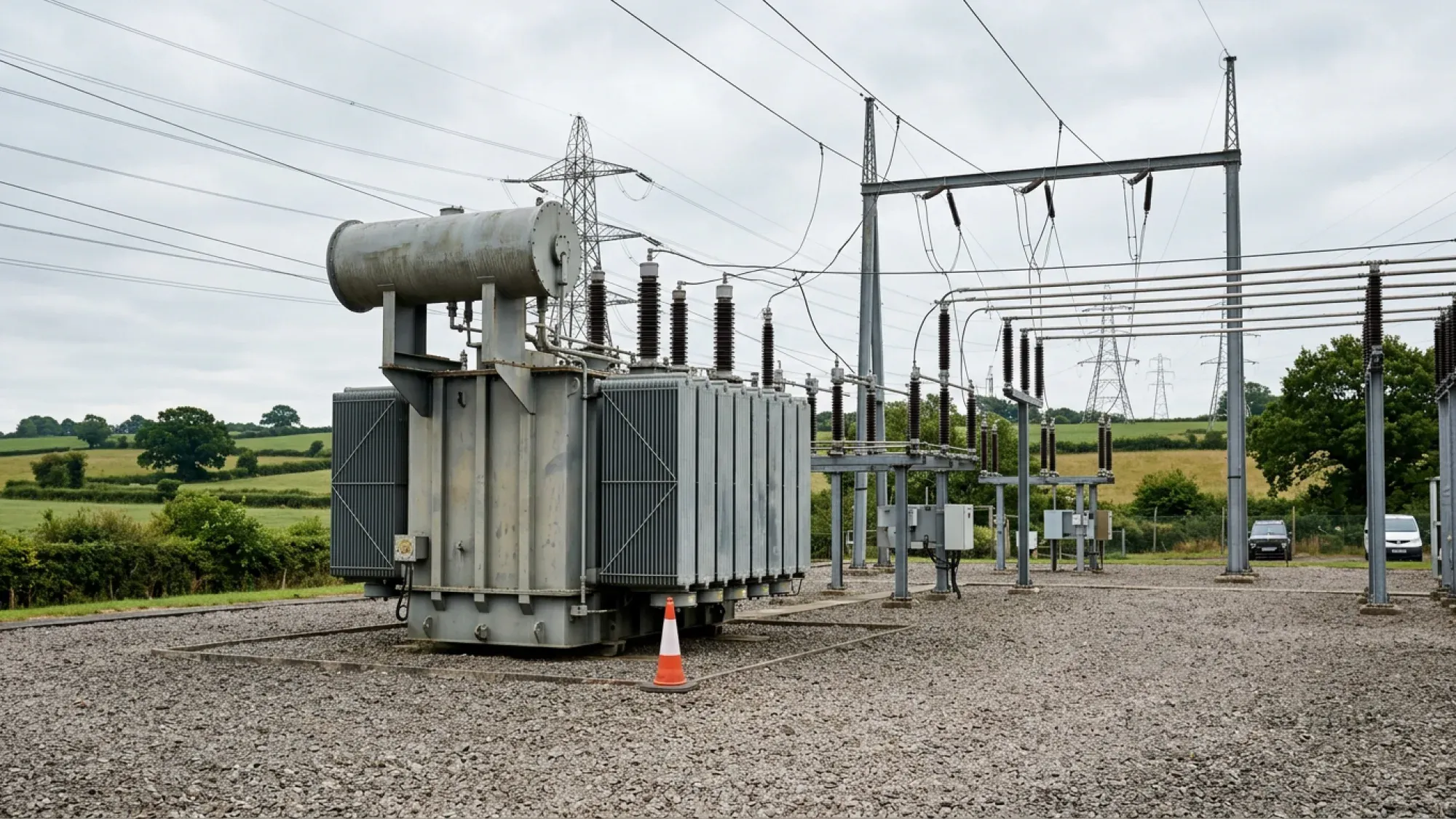
Many UK adults are concerned about the reliability of their electricity supply, especially when news reports about grid warnings can sound alarming. The truth is, these warnings are a routine part of managing a complex energy system, not a sign of impending blackouts. Understanding what they mean can help demystify the UK's energy landscape.
Understanding UK electricity grid warnings helps you make informed decisions about your home's energy use. Fuse Energy offers clear pricing and in-app usage data to help you manage your electricity consumption effectively. Click here to switch to Fuse Energy today.
Enter your address to get a quote and see how much you could save
Understanding UK electricity grid warnings
Britain's electricity system is a finely balanced operation, managed constantly to ensure supply always meets demand. This crucial task falls to the National Energy System Operator (NESO).
What is an Electricity Margin Notice (EMN)?
An EMN is an operational tool used by the National Energy System Operator (NESO) to signal to the electricity market that additional generation capacity might be needed. It is essentially an alert to market participants to make any available capacity known. Importantly, an EMN does not mean electricity supply is at risk, nor is it a warning of power cuts. These notices are a routine occurrence, showing that future energy demands are being anticipated and responded to proactively. Britain's electricity grid operator recently cancelled a rare summer power warning1, an EMN, indicating confidence in power supply levels.
What does an Electricity Margin Notice (EMN) mean for me?
An EMN is a routine operational tool used by the National Energy System Operator (NESO) to manage the electricity market, not an indicator of imminent power cuts. It signals to generators that more capacity might be needed, ensuring the system remains balanced and secure without directly impacting household supply.
The role of the NESO
The NESO is an independent public body responsible for managing and planning Great Britain's electricity and gas networks. Established under the 2023 Energy Act, NESO's core purpose is to facilitate the country's transition to net zero while ensuring the energy system remains reliable, efficient, and secure. NESO balances the electricity grid in real time, ensuring that generation matches demand to maintain stability. NESO is regulated by Ofgem, the Gas and Electricity Markets Authority, which oversees its operations and market development.
Why grid warnings are issued
Grid warnings, like EMNs, are issued when the buffer between electricity supply and expected demand comes under pressure. This proactive measure ensures the system remains stable.
Balancing supply and demand
NESO's primary function is to continuously balance the electricity system, ensuring that the amount of electricity generated precisely matches the amount consumed. This delicate balance is vital for grid stability. When forecasts show tighter margins - meaning less spare capacity than desired - NESO uses tools like EMNs to encourage the market to provide additional power.
Factors contributing to grid strain
Several factors can contribute to grid strain, necessitating the issuance of EMNs. These include extreme weather conditions, such as heatwaves, which increase demand for cooling systems like fans and air conditioning. Heatwaves can also reduce the efficiency of traditional power plants and lower wind speeds, impacting renewable generation. High demand events, such as major sporting events like World Cup matches, can also lead to demand spikes. Furthermore, outages at gas power plants or other generation facilities can tighten margins.
The UK's evolving energy landscape
The UK's energy system is undergoing a significant transformation, moving towards a greater reliance on renewable sources. This shift brings both opportunities and challenges.
Integrating renewable energy
Renewable energy sources, particularly solar and wind, are playing an increasingly vital role in the UK's electricity mix. Solar power, for instance, can contribute significantly, covering roughly half of the UK's daytime energy demand on sunny days. Homeowners often consider solar panels for their home to contribute to this shift.
The challenge of intermittency
While beneficial, renewable energy sources like solar and wind are intermittent; their output depends on weather conditions. When the sun sets or the wind drops, other sources must compensate. This intermittency means that at times, the UK needs to import electricity from Europe, especially when domestic solar generation wanes and demand increases. Charlotte Johnson, general manager of Generation Flex at Kraken, noted that while solar power covered roughly half of the UK's daytime energy demand on Tuesday, this reversed in the evening, leading to imports from Europe. She attributed this to waning solar power as the sun set, increased demand from World Cup football matches, and several gas plant outages.
"This is a preview of the operational challenges the UK will face more often in a warmer, more renewables-heavy system – and a clear demonstration of batteries’ growing role in managing demand and keeping the grid stable." — Charlotte Johnson, General Manager of Generation Flex at Kraken
How technology enhances grid stability
To manage the evolving energy landscape and the intermittency of renewables, advanced technologies are becoming indispensable for maintaining grid stability.
The growing role of battery storage
Battery Energy Storage Systems (BESS) are crucial for balancing the grid in a renewables-heavy system. These systems store excess electricity generated during periods of high renewable output and release it when demand is high or renewable generation is low. Batteries can respond almost instantly to fluctuations, helping to keep the grid frequency stable and preventing overload. This capability reduces reliance on fossil fuel power plants for balancing and supports the integration of more clean energy. Many homeowners are also exploring battery storage for their home to increase their energy independence.
Smart energy management and demand response
Smart energy management and demand response programmes also play a significant role. These initiatives encourage consumers and businesses to adjust their electricity consumption in response to grid conditions, often through financial incentives. By shifting demand away from peak times, these programmes help NESO maintain balance and reduce the need for additional generation capacity. Technologies like smart meters and smart home devices empower households to participate in these efforts, contributing to a more resilient energy system. Understanding how to use a smart meter can help you manage your energy more effectively.
What grid warnings mean for you
When an EMN is issued, it is natural to wonder about the implications for your home. However, these notices are part of routine grid management, not a cause for alarm.
No immediate risk of power cuts
It is important to reiterate that an Electricity Margin Notice does not signify an immediate risk of power cuts or blackouts. NESO issues these notices as a precautionary measure to ensure sufficient capacity is available, allowing the market to respond and prevent any actual supply issues. The recent cancellation of a summer EMN, initially issued during a heatwave, demonstrates the system's operational resilience and NESO's ability to manage challenging conditions effectively.
Empowering your energy choices
The average UK home uses around 2,700 kWh of electricity per year. While individual actions like reducing consumption are always helpful, EMNs do not require drastic changes to household energy use. Instead, understanding these notices empowers you to make informed choices. By engaging with smart energy technologies and tariffs, you can contribute to grid stability by optimising your energy use, especially during periods of high demand or abundant renewable generation.
Fuse Energy's contribution to a resilient grid
Fuse Energy is committed to building an energy system that is abundant, stable, and transparent, actively contributing to a more resilient grid.
Building an abundant energy future
Fuse Energy frames grid warnings not as a sign of scarcity, but as a challenge in the transition to an abundant, renewables-heavy system. Fuse is actively working towards this future by investing in generation, such as solar and storage, which directly contributes to a more resilient grid and reduces the need for such notices. Our mission is to deliver the abundant, clean energy the future requires, believing it is your right to use more energy, not less.
Smart technology for stable supply
Fuse's vertically integrated approach and smart technology empower customers to manage their energy effectively. Through our transparent app and in-app usage data, customers can see their energy consumption and make choices that indirectly support grid stability by optimising demand. This approach helps to balance the grid, ensuring a stable and reliable supply for homes across Great Britain.
Fuse Energy demystifies complex energy topics, empowering consumers rather than instilling fear. We are building the infrastructure for the energy the future requires. Find out more about our mission by clicking here. Ready to take control of your home's energy? Switch to Fuse Energy today and experience clear pricing, real-time usage data, and 247 human customer support. Click here to get started.
References
Disclaimer
For the avoidance of doubt, this article is provided for informational purposes only and is not intended to constitute legal or financial advice. The author and/or Fuse Energy shall not be responsible for any losses arising out of any reliance on the information contained herein.