Backwards grid meters could add £100 million a year to electricity costs
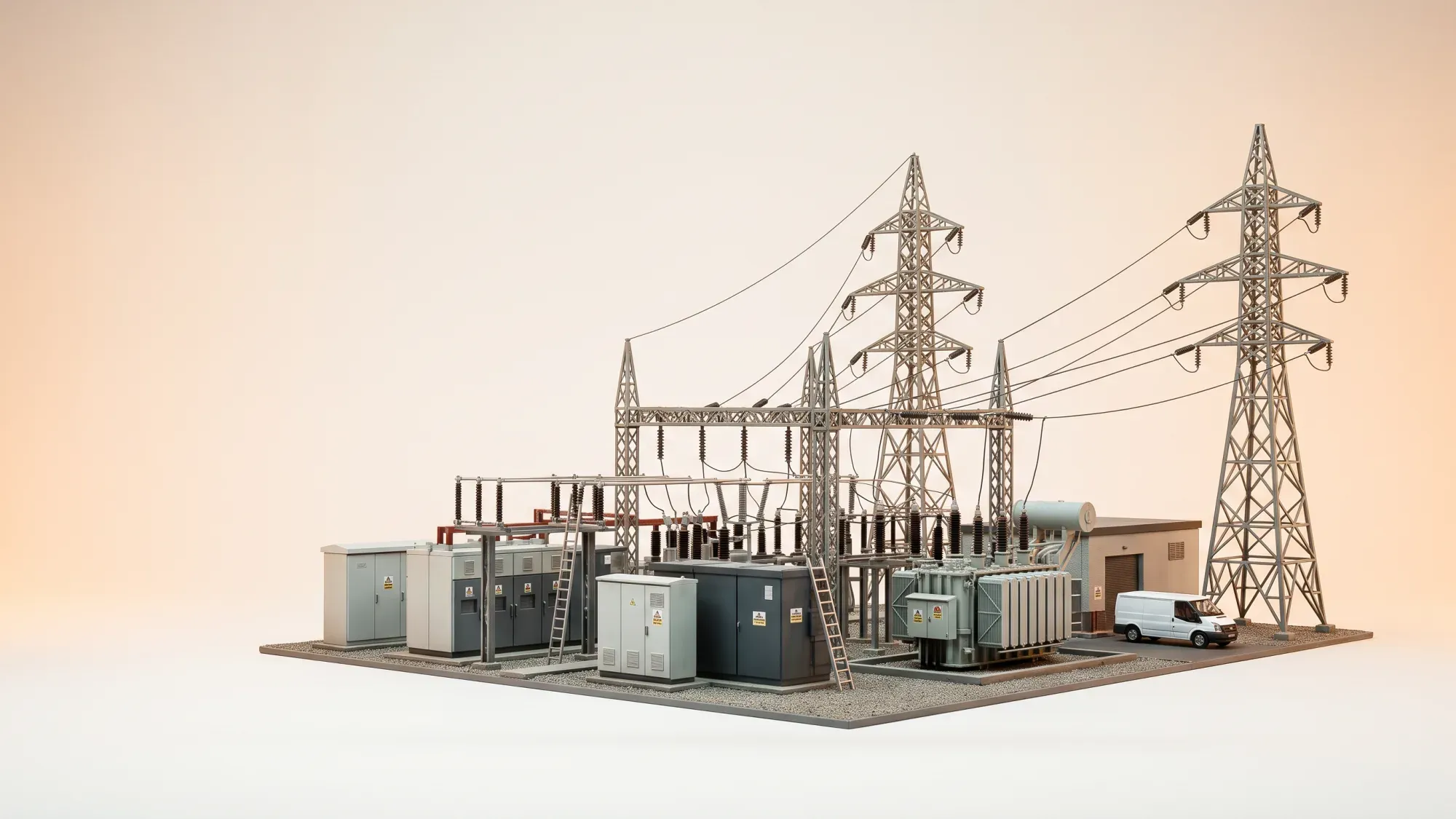
Hundreds of electricity meters connected to Britain's transmission system are reportedly "sending power-flow data in the wrong direction," potentially adding up to £100 million annually to grid operating costs1. This significant issue affects over 800 metering points, including all 45 UK offshore wind farms, where electricity generation can appear as consumption, and vice versa. For homeowners, understanding how such grid-level data inconsistencies impact the UK's energy infrastructure is crucial for grasping energy costs and overall system reliability.
Understanding how grid issues impact energy costs is key to managing your home's energy. Fuse Energy offers transparent pricing and smart meter insights to help you stay in control. Click here to switch to Fuse Energy today.
Enter your address to get a quote and see how much you could save
The "wrong direction" data problem on the UK grid
The UK's electricity transmission system relies on accurate, real-time data to maintain balance between supply and demand. When meters report power flow incorrectly, it creates a significant challenge for grid operators.
What is the polarity issue?
The "wrong direction" data problem stems from inconsistent polarity in electricity meters connected to the transmission system. Polarity defines whether power flowing through equipment is recorded as positive or negative. Without a single, enforceable industry standard for this convention, different operators have used varying approaches when submitting data to the National Energy System Operator (NESO). This means that power generated by, for example, an offshore wind farm, might be recorded as consumption, or demand from a site could appear as generation.
What is electricity meter polarity?
Electricity meter polarity refers to the convention used to define the direction of power flow (positive or negative) as recorded by a meter. Inconsistent polarity means that electricity generated can be mistakenly reported as consumed, and vice versa, leading to significant data inaccuracies for grid operators.
Impact on grid operations and balancing costs
The consequences of this inconsistent metering data are far-reaching for the UK transmission system. NESO's own documents warn that these errors "can damage situational awareness, make grid operation less efficient and increase balancing costs passed through to consumers". Incorrect readings reduce visibility across the network, forcing control-room engineers to spend more time verifying data before making critical decisions to balance supply with demand. This can lead to suboptimal operation and increased grid operating costs. The problem affects at least 818 installations, including all 45 UK offshore wind farms.
The role of grid Code GC0182
To address this systemic issue, a permanent solution is being developed, which includes grid Code modification GC0182. This modification aims to create a unified standard for power flow metering polarity when data is sent to NESO. If approved by Ofgem, GC0182 would formalise requirements for generators, transmission owners, and offshore network owners to follow a common polarity convention. While NESO has published voluntary guidance, it is not yet enforceable and the modification would initially standardise new or modified meters rather than retrospectively correcting every existing installation. The estimated cost of correcting existing meters affected by polarity issues has reportedly been estimated at between £4.5 million and £44 million, significantly less than the potential annual operational cost of inaccurate data.
How inaccurate grid data affects homeowners
The challenges faced by the UK electricity grid, such as inconsistent metering data, might seem distant from your daily energy use, but they directly influence your electricity bill and the reliability of your energy supply.
Understanding your energy bill's connection to grid efficiency
When the grid operates inefficiently due to inaccurate data, the costs associated with managing and balancing the system increase. These grid operating costs, including balancing costs, are ultimately passed through to consumers. This means that issues like the "wrong direction" data problem contribute to the overall cost of electricity, impacting what you pay for your energy.
The cost of inconsistent metering data
The potential annual cost of £100 million added to grid operating expenses due to these metering errors is substantial. This figure represents a hidden surcharge on the energy system, driven by the need for NESO to spend more time and resources to manage the grid with compromised data. While this doesn't mean household meters are installed incorrectly or that you're directly overcharged for your personal consumption, it highlights how systemic inefficiencies translate into higher costs across the entire energy market.
Ensuring fair electricity settlement
Accurate metering data is fundamental for fair electricity settlement between NESO and energy companies. When power flow data is inconsistent, it can lead to errors in how energy is accounted for and traded within the market. For homeowners, this underscores the importance of a transparent and accurate energy system, where every unit of electricity generated and consumed is correctly recorded, ensuring that costs are allocated fairly.
Metering for a modern grid: from traditional to smart
The evolution of electricity meters plays a crucial role in the accuracy of grid data and the overall efficiency of the UK's energy system.
The evolution of electricity meters
Historically, electricity meters primarily served to measure consumption for billing purposes. Traditional meters required manual readings, providing only a snapshot of energy use at specific intervals. This limited data made it challenging for grid operators to gain real-time insights into power flows, especially in a complex and increasingly decentralised system with more renewable energy sources.
Why smart meters are crucial for data accuracy
Smart meters represent a significant leap forward in energy data accuracy. Unlike traditional meters, smart meters automatically send readings, providing real-time, granular data on energy consumption and, crucially, generation for homes with solar panels or batteries. This continuous flow of accurate data is essential for grid operators like NESO to monitor the network effectively, balance supply and demand, and identify issues such as inconsistent power flow directions. By providing precise information, smart meters help to prevent the kind of data errors that lead to increased grid operating costs and inefficiencies.
Addressing legacy meter challenges: the RTS phase-out
The ongoing phase-out of the Radio Teleswitch Service (RTS) meters is another example of the industry's move towards more accurate and modern metering. RTS meters, which use a radio signal to switch between peak and off-peak rates, are being retired because the equipment is reaching the end of its operational life. The industry-wide switch-off began on 30 June 2025, with energy suppliers replacing these legacy meters with smart meters. This transition ensures that all metering points, including those previously served by RTS, contribute to a more data-rich and efficiently managed grid.
Smart meters: empowering the grid and your home
Smart meters are not just about more accurate bills; they are a cornerstone of a stable, efficient, and cost-effective energy system for the UK.
Real-time data for grid stability and efficiency
The real-time data provided by smart meters is invaluable for maintaining grid stability. By having an accurate picture of energy flows, NESO can better forecast demand, integrate renewable energy sources like offshore wind farms, and respond quickly to fluctuations. This enhanced situational awareness helps to reduce balancing costs and improve the overall efficiency of the UK transmission system.
Your smart meter's role in a reliable energy system
Every smart meter installed in a home contributes to the larger network of data that helps manage the National Grid. While the "wrong direction" data issue primarily affects meters on the transmission system, the principle of accurate data for efficient operation applies universally. By providing precise consumption and generation data, your smart meter plays a part in ensuring the reliability of the energy system, helping to prevent outages and maintain a consistent supply of electricity.
Gaining control with accurate energy insights
For homeowners, a smart meter offers unprecedented control and transparency over energy use. The average UK home uses around 2,500 kWh of electricity per year. With a smart meter, you can see your energy consumption in real-time, understand how different appliances impact your usage, and identify opportunities to manage your energy more effectively. This insight empowers you to make informed decisions, potentially reducing your bills and contributing to a more efficient energy system.
Building a more resilient and cost-effective energy future
Investing in accurate metering and integrated grid management is essential for the UK's energy future, benefiting both the national infrastructure and individual consumers.
Investing in energy data accuracy
The estimated cost of correcting the existing polarity issues on the transmission system, between £4.5 million and £44 million, is a clear investment in energy data accuracy. This is a fraction of the potential £100 million annual cost incurred by inaccurate data. Prioritising accurate data at all levels of the grid, from large-scale generation to household consumption, is a fundamental step towards a more robust and financially sound energy system.
The long-term benefits of integrated grid management
An integrated approach to grid management, supported by precise data, leads to a more resilient and cost-effective energy future. It enables better integration of renewable energy, reduces waste, and ensures that the grid can adapt to evolving demands. This benefits everyone by fostering a more stable energy supply and helping to keep overall energy costs in check.
Fuse Energy's vision for an empowered energy system
Fuse Energy aims to empower homeowners with transparent data and control over their energy. We believe in modern energy solutions built on accurate smart meter data, which can contribute to a more efficient grid and help manage costs. Our app is designed to leverage smart meter data, giving customers real-time usage insights to help them understand and manage their consumption. Fuse doesn't settle for outdated energy infrastructure or inaccurate data, actively promoting solutions like smart meters that benefit both the grid and consumers.
Managing your energy bills should be clear and easy to understand. Fuse Energy focuses on straightforward pricing, so you can see exactly what you're paying without unnecessary complexity. Our 24/7 human support team is always on hand with fast response times whenever you need help. Click here to switch to Fuse Energy today. Find out about our mission by clicking here.
References
- Energy Live News. Backwards grid meters could add £100m a year to electricity costs
Disclaimer
For the avoidance of doubt, this article is provided for informational purposes only and is not intended to constitute legal or financial advice. The author and/or Fuse Energy shall not be responsible for any losses arising out of any reliance on the information contained herein.