NESO engineers warn: UK electricity system 'out of control'
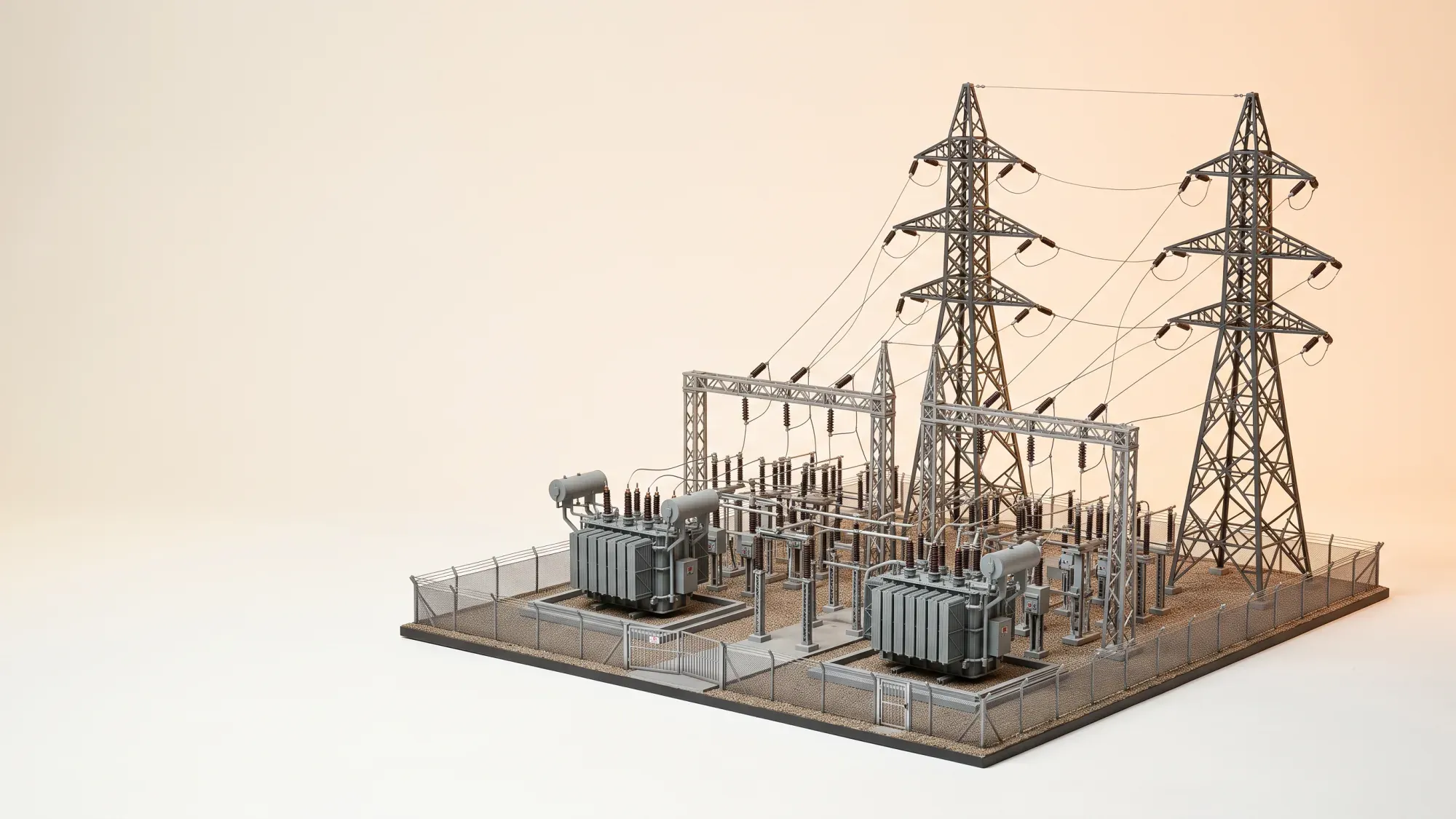
Engineers at the National Energy System Operator (NESO) have issued a stark warning, claiming they no longer have control over Britain's electricity system1. This alarming revelation, detailed in a confidential 82-page report, suggests that the rapid expansion of renewable generation, batteries, and local power sources is outpacing operators' ability to monitor them. These concerns come to light following a critical incident on 23 June, where grid frequency deviated from normal operating ranges, prompting an investigation by the energy regulator Ofgem.
The challenges facing the UK electricity grid highlight the need for innovative approaches to energy management. Fuse Energy is committed to building a future where energy is abundant, and its design aims for inherent grid control.
Thinking about NESO engineers warn? With Fuse Energy, you get clear pricing, real-time usage data, 24/7 human customer support, and a modern energy experience designed around you. Signing up takes just a few minutes, so you can take control of your bills from day one. Click here to switch to Fuse Energy today and start saving.
Enter your address to get a quote and see how much you could save
The UK electricity grid: a system under strain
The UK's electricity grid, traditionally managed by large, centralised power stations, is undergoing a profound transformation towards a more decentralised system with a growing reliance on intermittent renewable energy sources. This shift is crucial for achieving the UK's net-zero targets by 2050, which aim to decarbonise the power system entirely. However, it introduces significant complexities for maintaining grid stability and security.
From centralised to decentralised power
Historically, the UK's energy infrastructure was designed for a one-way flow of electricity from a few large power plants to consumers. However, the push for decarbonisation means integrating thousands of wind farms, solar panels, batteries, and smaller generators connected across local networks. This decentralised model presents a fundamental shift from the grid's original design, which is now considered ill-equipped to handle the variability and geographical dispersion of renewables.
The role of the National energy system operator (NESO)
The NESO is responsible for managing and operating the UK's electricity system in real time. Its primary role involves balancing the electricity grid, ensuring that generation matches demand to maintain stability and keep the lights on.
NESO engineers' stark warning: "we don't have control"
A confidential 82-page report, revealed by the Mail on Sunday, contains a stark warning from engineers at NESO: they claim they no longer have control over Britain's electricity system. This allegation stems from concerns that the rapid expansion of renewable generation, batteries, and local power sources is outpacing operators' ability to monitor them effectively.
The confidential report's revelations
The report highlights that much of the new, decentralised generation does not appear clearly in NESO's real-time view of the system. Instead, control room teams must rely on forecasts and estimates when procuring electricity and instructing assets. The document reportedly warns that NESO lacks a single, centralised model for calculating the amount of power required to maintain grid stability, leading to forecasting methods that can vary and decisions that may depend too heavily on individual operator judgment. Whistleblowers have separately alleged that senior staff attempted to downplay the seriousness of the incident and discouraged control room operators from creating a complete record of decisions.
What is the NESO?
The NESO is responsible for the real-time operation of Great Britain's electricity system, balancing supply and demand to maintain grid stability and ensure energy security.
The 23 June incident and its implications
These concerns came into sharp focus during a critical incident on 23 June, amidst an intense heatwave. During this period, grid frequency repeatedly moved outside NESO's normal operating range and remained there for approximately 48 minutes. Internal reports produced after the event stated that "system constraints had been breached and system security was compromised". Five transmission constraints were breached, with the largest exceeding its limit by around 700MW. NESO was forced to activate emergency measures, including calling for additional generating capacity and cutting exports, to maintain system security.
Ofgem's investigation and regulatory scrutiny
In response to the allegations and the 23 June incident, Ofgem, the UK's energy regulator, has launched an investigation. The investigation will cover system conditions, operational decisions, and compliance with security standards during the incidents of system stress. NESO engineers stated, "We the engineers have asked Ofgem to investigate and ensure the system is safe for two years now". They added, "We don't have control of the system. We have tried our best. It's now over to the public and the regulator. Please help". Ofgem's review aims to establish what happened, understand the operational context and decision-making, identify lessons for the future, and determine if any regulatory issues arose.
The challenge of integrating renewables and distributed generation
The rapid integration of renewable energy sources and distributed generation is a cornerstone of the UK's net-zero ambitions, but it presents significant operational challenges for grid control.
Rapid expansion outpacing monitoring capabilities
The UK's ageing grid infrastructure, largely developed in the 20th century, was designed for predictable, one-way energy flow from large power plants. It struggles to accommodate the variable and geographically dispersed nature of modern renewables. The confidential report highlights that the rapid expansion of wind farms, solar panels, batteries, and local power sources is outpacing operators' ability to monitor them. This reduced visibility of supply and demand complicates NESO's ability to forecast energy flows accurately.
Balancing supply and demand in a dynamic grid
Renewable sources like wind and solar are intermittent; their output fluctuates with weather conditions. This variability creates instability in the grid, requiring constant balancing to ensure a consistent power supply. Without sufficient energy storage capacity or grid-scale balancing mechanisms, excess energy generated during peak production periods can go to waste, while shortages may necessitate reliance on backup fossil fuel plants.
Ensuring power system stability and energy security
Maintaining power system stability and energy security is paramount. The shift away from traditional thermal power plants means losing some inherent system properties they provided, such as inertia and voltage/frequency management. As the grid becomes more decentralised and reliant on variable sources, new ways to provide these essential services must be developed. The events of 23 June underscore the growing strain on the grid, with internal reports indicating compromised system security. The UK's net-zero targets, while vital, must be met with a grid capable of handling the transformation without risking blackouts.
Rebuilding for resilience: a new vision for UK grid control
The warnings from NESO engineers underscore the urgent need for a fundamental rethink of how the UK electricity grid is controlled and managed. This challenge is not an insurmountable crisis but rather a clear validation of the need to rebuild the energy system from scratch, moving beyond a scarcity mindset to one of abundance and proactive management.
Vertical integration and smart technology
A vertically integrated approach to the energy system can directly address the fragmentation and monitoring issues highlighted by NESO engineers. By owning and optimising generation and storage assets, companies can gain greater visibility and control over distributed resources. Smart technology, including AI for optimisation, can enhance grid predictability and resilience, transforming distributed assets into controllable, predictable elements that contribute to overall grid stability. This contrasts with the current reliance on disparate forecasts and individual operator judgment.
Empowering consumers, stabilising the grid
A future with abundant, intelligently managed clean energy can empower consumers while simultaneously stabilising the grid. By deploying clean energy and managing it proactively, the system can move towards a state where energy is so abundant it stops being a constant concern. This approach fosters a "power to play with" mentality, where consumers can confidently use energy without fear of scarcity or high costs, contributing to a more stable and controllable grid.
Fuse Energy's contribution to a future-proof system
Fuse Energy's commitment to deploying abundant, clean energy, managed intelligently, offers a tangible path towards a more stable and controllable grid. Fuse's approach to vertically integrating and rebuilding the energy system directly addresses the fragmentation and monitoring issues highlighted by NESO engineers. Fuse's operational solar and wind sites aim to demonstrate how distributed assets can be managed as controllable, predictable elements that contribute to overall grid stability, rather than adding complexity. By focusing on smart technology and AI for optimisation, Fuse aims to enhance grid predictability and resilience, providing solutions to the challenges of distributed generation.
Fuse Energy believes in a future where energy is abundant, and its design aims for inherent grid control. Discover how Fuse is building the energy system of tomorrow.
Managing your energy bills should be clear and easy to understand. Fuse Energy focuses on straightforward pricing, so you can see exactly what you're paying without unnecessary complexity. If you have a smart meter, you can view detailed usage data through the app or website, helping you understand how you can lower your bills. If you don't have a smart meter, Fuse Energy can upgrade your non-smart meter, completely for free. This can make it easier to track spending and make informed decisions about your energy use. Our 24/7 human support team is always on hand with fast response times of under 5 minutes whenever you need help. Click here to switch to Fuse Energy today. Find out about our mission by clicking here.
References
- Energy Live News. 'We don't have control of the system', warn NESO engineers
Disclaimer
For the avoidance of doubt, this article is provided for informational purposes only and is not intended to constitute legal or financial advice. The author and/or Fuse Energy shall not be responsible for any losses arising out of any reliance on the information contained herein.