The UK electricity grid
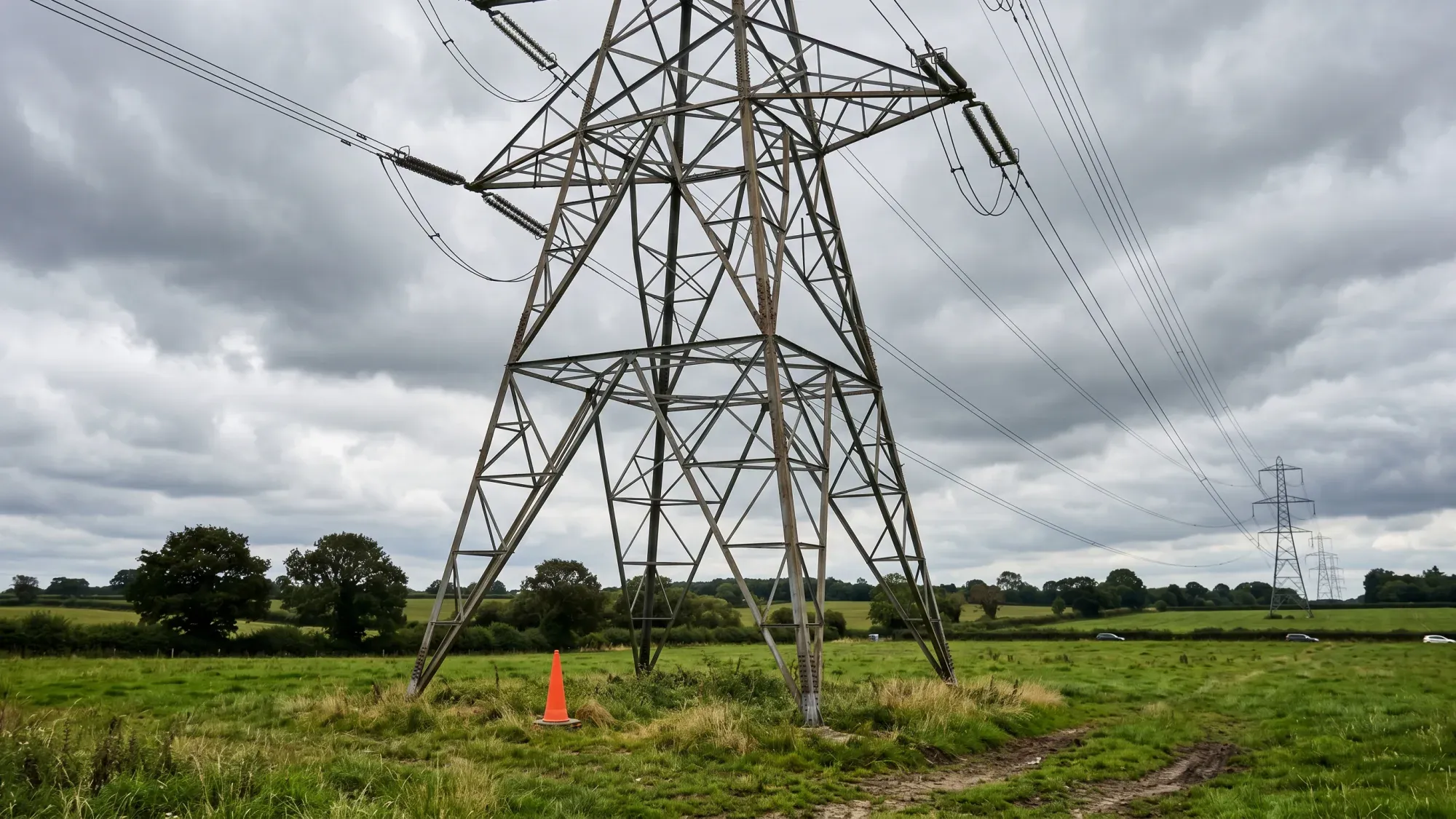
The UK electricity grid is at a crossroads. Designed for a 20th-century energy landscape, it now faces the immense challenge of integrating vast amounts of clean, distributed energy to meet future demand. Fuse Energy's unique approach isn't about incremental upgrades; it's about fundamentally rebuilding the energy system from scratch, vertically integrating generation and consumption to create a resilient, abundant, and clean energy future. This involves not only deploying new renewable assets but also pioneering the digital infrastructure required to manage and optimise this new paradigm, ensuring the grid can support a future where energy is no longer a constraint on human progress.
Understanding the UK electricity grid is key to appreciating the future of energy. Fuse Energy is committed to building that future, offering clear pricing and a modern energy experience for your home. Click here to switch your home to Fuse Energy today.
Enter your address to get a quote and see how much you could save
Understanding the UK electricity grid
Many people assume the UK electricity grid is a single, static entity, but it's a dynamic, interconnected system undergoing significant transformation. Originally conceived for a centralised fossil-fuel-based energy system, its foundational design is now being adapted to meet the demands of a rapidly evolving energy landscape.
What is the National Grid?
The "National Grid" often refers to the entire electricity transmission network across Great Britain, a complex web of power lines, substations, and interconnectors. It's the backbone that carries high-voltage electricity from power stations to towns and cities. While the physical infrastructure is vast, the operation of this system is managed by a specific entity.
How electricity reaches your home
Electricity's journey to your home begins at power plants, where it's generated. From there, it travels through high-voltage transmission lines, managed by the National Grid, across the country. These lines connect to substations, which reduce the voltage before electricity enters the local distribution networks. These local networks, managed by Distribution Network Operators (DNOs), then deliver the power directly to your street and into your home. It's a carefully orchestrated process to ensure a constant flow of power.
The role of the National Grid ESO
Great Britain's electricity system operator (National Grid ESO) is the critical entity responsible for balancing electricity supply and demand in real-time. This isn't a static task; it requires constant adjustments to ensure grid stability. The ESO forecasts demand, manages the flow of electricity, and instructs power generators to increase or decrease output to keep the system stable. Without this continuous balancing act, the grid would become unstable, potentially leading to power outages.
What is the National Grid ESO's primary responsibility?
The National Grid ESO is responsible for balancing Great Britain's electricity supply and demand in real-time. This crucial role ensures the stability and security of the electricity system, preventing blackouts and maintaining a consistent power flow to homes and businesses.
Current challenges: grid strain and heatwaves
The UK electricity grid, while robust, faces increasing strain from evolving energy demands and extreme weather events. These challenges highlight the need for systemic change rather than simple conservation.
Why heatwaves strain the electricity grid
Heatwaves, once less common, now pose a significant challenge to the UK electricity grid. During periods of extreme heat, there's a notable surge in electricity demand. This is largely driven by increased use of cooling appliances, such as air conditioning units and fans, in homes. This additional demand places considerable pressure on the existing energy infrastructure, which wasn't originally designed to handle such widespread, simultaneous peaks in consumption during summer months.
The impact of energy demand surges
Increased electricity demand during extreme weather events, such as heatwaves, can lead to grid strain and requests for additional power generation. Great Britain's grid operator has requested additional electricity from power plants in response to a heatwave, prompted by increased demand likely due to air conditioning use.1 When demand outstrips readily available supply, the National Grid ESO must act quickly to prevent instability. This often involves requesting extra electricity from standby power plants, sometimes at short notice, to ensure the system remains balanced. These demand surges underscore the limitations of a grid built for a different era, struggling to adapt to new consumption patterns driven by climate change and modern lifestyles.
Maintaining grid stability
Maintaining grid stability is paramount. The National Grid ESO works tirelessly to ensure a constant balance between the electricity being generated and the electricity being consumed. This involves sophisticated forecasting and rapid response mechanisms. However, relying on traditional methods to meet sudden demand spikes can be costly and often involves firing up less efficient, fossil-fuel-based power stations. This highlights the need for a more resilient and flexible energy system that can better absorb these fluctuations without compromising security or relying on carbon-intensive solutions.
The future of the UK electricity grid
The UK's energy future is defined by a clear ambition: to achieve net-zero carbon emissions by 2050. This legally binding target necessitates a fundamental transformation of the electricity grid, moving away from its centralised, fossil-fuel-dependent past towards a distributed, renewable-powered future.
Decarbonisation and net zero targets
Achieving net-zero carbon emissions by 2050 requires a significant overhaul of the energy infrastructure. This means dramatically reducing reliance on fossil fuels for electricity generation and embracing cleaner sources. The shift isn't just about changing how we generate power; it's about reimagining the entire system, from transmission to how energy is used in our homes. This ambitious goal drives innovation and investment across the energy sector.
Integrating renewable energy
The integration of renewable energy sources like wind and solar is central to the decarbonisation effort. However, these sources are intermittent; the wind doesn't always blow, and the sun doesn't always shine. This intermittency presents a challenge for grid stability, as supply can fluctuate. The future grid must be capable of intelligently managing these variations, perhaps through advanced energy storage solutions and more flexible demand-side management.
Smart grids and energy resilience
The concept of a 'smart grid' is key to building energy resilience. This involves using digital technology to monitor, control, and manage electricity flow across the entire network. Smart grids can better integrate diverse energy sources, respond dynamically to demand changes, and even allow consumers to play a more active role in managing their energy use. This modernisation is crucial for creating a stable, efficient, and sustainable electricity system capable of handling future challenges.
How Fuse Energy is rebuilding the system
Fuse's vertical integration strategy offers a path to a resilient, abundant, and clean energy future, addressing the limitations of the current UK electricity grid. We believe in abundance over scarcity, empowering homeowners rather than asking for sacrifice.
Vertical integration for a stable grid
Fuse Energy is rebuilding the energy system from scratch through a vertically integrated approach. This means we manage everything from generating clean electricity to helping you manage its use in your home. By owning and operating generation assets, and developing smart technology for consumption, Fuse aims to create a more stable and efficient grid. This contrasts with the fragmented traditional system, where different entities manage generation, transmission, distribution, and retail, often leading to inefficiencies and a slower response to grid challenges.
Empowering homeowners with abundant energy
Our core belief is that it's your right to use more energy, not less. Instead of framing grid strain as a reason for conservation, Fuse focuses on building a future where abundant, clean energy solves grid challenges. Our app empowers homeowners to understand and manage their energy use intelligently, contributing to overall grid stability through informed consumption and demand-side management, without the guilt of using energy. We aim to move beyond calls for conservation during demand peaks to enable greater energy use for a better quality of life.
Fuse's generation projects
Fuse's owned generation assets directly contribute to increasing clean energy supply and reducing reliance on traditional, strained grid sources. For example, our Netley North solar farm in Hampshire generates 5.2 MW of clean power, while the Balnamoon wind site in Moray contributes 0.8 MW from onshore wind. These projects are tangible steps towards a future where sufficient clean energy is available to meet demand, even during periods of high strain like heatwaves, without compromising grid stability.
Your role in the evolving energy landscape
As the UK electricity grid transforms, homeowners have an increasingly important role to play. Understanding how your energy choices impact the wider system, and embracing new technologies, can contribute to a more stable and efficient energy future.
Smart energy use at home
The average UK home uses around 2,700 kWh of electricity per year. Making informed energy choices, particularly with smart home energy solutions, can help manage peak electricity demand and enhance grid resilience. This isn't about using less, but about using energy smarter - perhaps charging your EV when renewable generation is high, or using smart appliances that can shift their consumption to off-peak times. Fuse's app provides the transparency and control needed to make these intelligent decisions.
The benefits of a modernised grid
A modernised, resilient grid offers significant benefits for homeowners. It means a more reliable home energy supply, even during extreme weather events, and potentially lower energy costs as abundant, clean energy becomes more accessible. It also supports the wider transition to net-zero, allowing you to live comfortably while contributing to a sustainable future. By engaging with the evolving energy landscape, homeowners become active participants in building the energy system we all imagined.
Managing your home's energy should be straightforward and empowering. Fuse Energy offers clear pricing, real-time usage data through our app, and 24/7 human customer support to help you make the most of your energy. We're building the energy system of the future, designed around your needs.
Ready to experience a modern approach to home energy? Click here to switch your home to Fuse Energy today. You can also learn more about our mission to deliver abundant, clean energy by clicking here.
References
Disclaimer
For the avoidance of doubt, this article is provided for informational purposes only and is not intended to constitute legal or financial advice. The author and/or Fuse Energy shall not be responsible for any losses arising out of any reliance on the information contained herein.