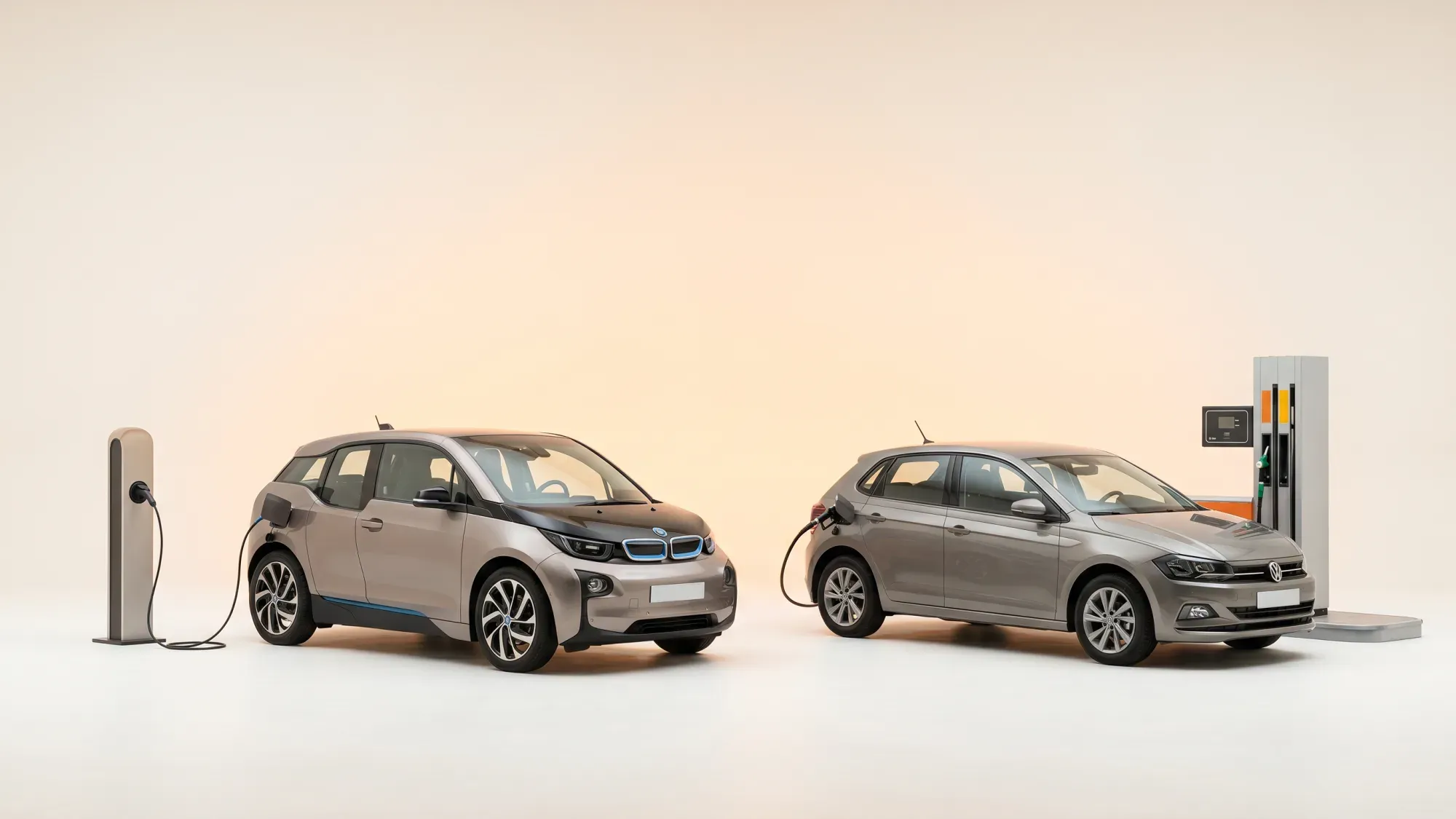
The UK's electric vehicle (EV) market has reached a significant turning point, with new EV sales surpassing petrol car sales over a 12-month period for the first time1. This milestone underscores a rapid shift in consumer behaviour and the broader automotive landscape, driven by policy and a growing desire for sustainable motoring.
As EV adoption accelerates, ensuring your home energy supports this shift is key. Fuse Energy is committed to delivering abundant, clean energy, making it easier to power your electric vehicle and home sustainably. Click here to switch to Fuse Energy today.
EV sales outpace petrol cars for the first time
For the first time in the UK, more new electric vehicles have been sold over a 12-month period than petrol cars, according to analysis by Carbon Brief. This historic shift, covering the 12 months to May 2026, saw 516,490 new battery electric vehicles (BEVs) registered, compared to 504,010 new petrol cars. This indicates a clear acceleration in the adoption of clean transport.
Growth in battery electric vehicle adoption
The figures for May 2026 highlight the momentum behind this transition. EV sales surged by 34% during the month, while petrol car sales saw a notable decline of 14%. This growth in BEV uptake is a strong indicator of changing consumer preferences and the increasing viability of electric cars for everyday use.
How many new EVs were sold in the UK in the 12 months to May 2026?
In the 12 months leading up to May 2026, 516,490 new battery electric vehicles (BEVs) were sold in the UK. This figure surpassed the 504,010 new petrol cars sold during the same period, marking a significant milestone for electric vehicle adoption.
Policy impact on the UK EV market
The Zero-Emissions Vehicle (ZEV) mandate is a crucial policy driving the UK's transition to electric mobility. It sets annual targets for car manufacturers, requiring an increasing percentage of their new car and van sales to be zero-emission vehicles. This mandate is designed to accelerate EV adoption and ensure the UK meets its decarbonisation goals.
Industry perspectives on ZEV targets
Despite the clear growth in EV sales, the car industry has reportedly expressed concerns about meeting the ZEV mandate's requirements, arguing that consumer demand is too low. However, industry data suggests that manufacturers have, in fact, "over-complied" with the mandate's targets to date. This ongoing debate highlights the tension between regulatory ambition and commercial realities within the automotive sector.
Declining petrol car sales and hybrid car sales
The decline in petrol car sales is a direct consequence of the rising popularity of electric vehicles. While hybrid cars remain a significant part of the market, their sales growth has been relatively stagnant compared to the rapid expansion of BEVs. This suggests that consumers are increasingly opting for fully electric options over hybrid models.
Global EV sales context and electric car adoption
The shift towards electric vehicles is not unique to the UK. Globally, EV sales increased by 20% in 2025, accounting for one in every four new cars sold worldwide. This international trend reinforces the UK's trajectory, indicating a widespread move towards electric mobility as technology advances and charging infrastructure expands.
"For the first time in the UK, more new electric vehicles (EVs) have been sold over a 12-month period than petrol cars, according to Carbon Brief analysis."
— Carbon Brief
The importance of smart home charging for EV owners
As EV adoption accelerates, the focus naturally shifts to the practicalities of ownership, particularly home charging. Reliable and efficient home charging is fundamental to making EV ownership convenient and cost-effective. Smart home charging solutions allow EV owners to optimise their charging schedules, often taking advantage of off-peak electricity rates and balancing demand with grid availability.
Seamless energy for sustainable motoring
The surge in UK EV sales underscores the critical need for a modern, robust energy system capable of supporting increased demand. Fuse Energy's mission to deliver abundant, clean energy directly supports the widespread adoption of electric vehicles by ensuring charging is not a constraint. By rebuilding the energy system from the ground up, Fuse aims to transform the act of powering your EV from a logistical concern into a seamless, guilt-free experience. Fuse's smart home energy solutions, including easy charger upgrades and flexible usage rewards, empower EV owners with greater control and affordability over their charging, aligning with a future where clean transport and sustainable motoring are the norm.
Managing your energy bills should be clear and easy to understand. Fuse Energy focuses on straightforward pricing, so you can see exactly what you're paying without unnecessary complexity. If you have a smart meter, you can view detailed usage data through the app or website, helping you understand how you can lower your bills. Our 24/7 human support team is always on hand with fast response times whenever you need help. Click here to switch to Fuse Energy today. Find out about our mission by clicking here.
References
- CleanTechnica. UK Sales Of Electric Vehicles Just Overtook Petrol Cars For The First Time