EV charging: the 'biggest gap' for UK drivers without off-street parking
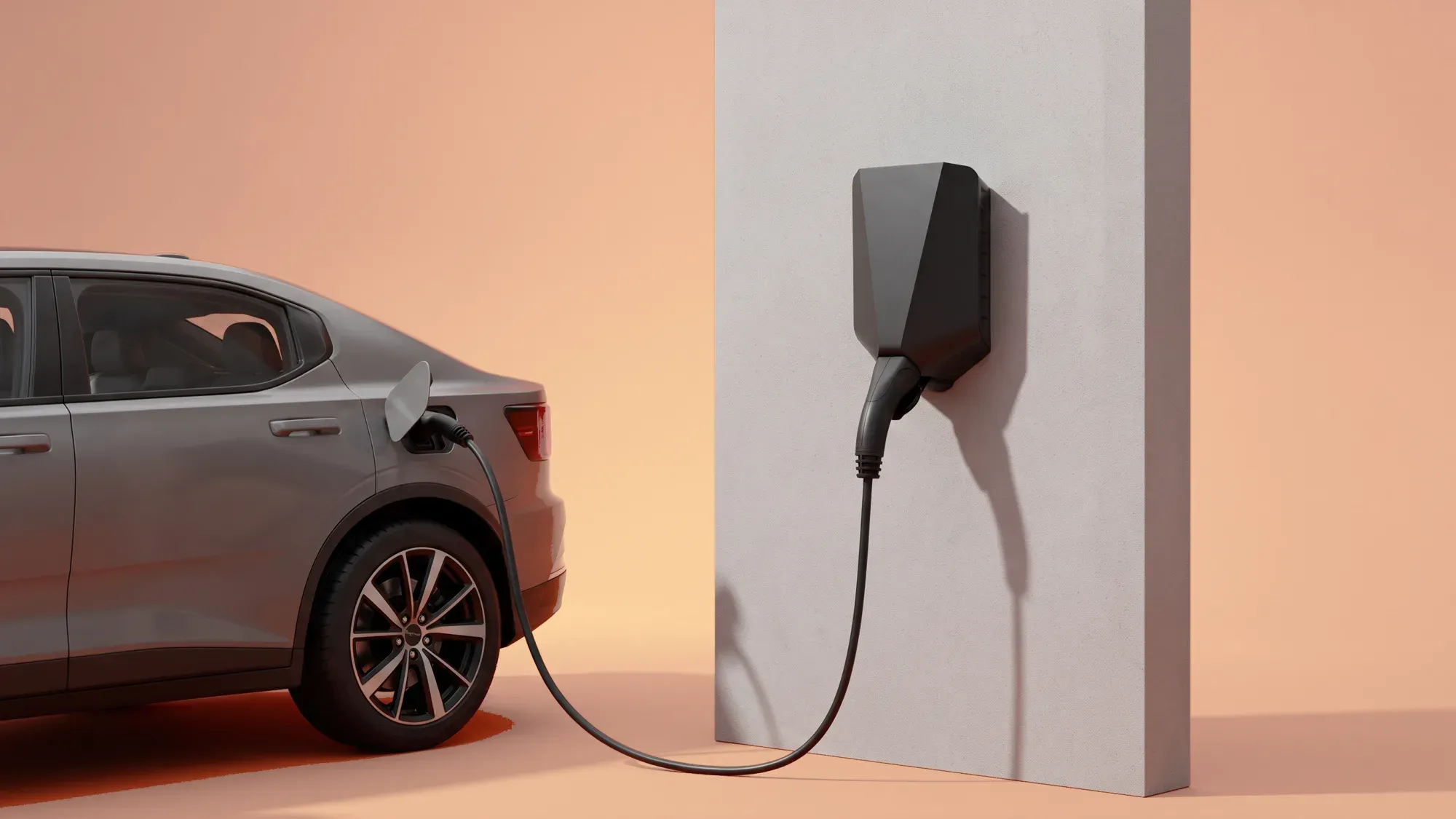
The UK's electric vehicle (EV) charging infrastructure is rapidly evolving, yet a significant challenge remains for drivers without off-street parking. These motorists often miss out on the cheaper rates available through home charging, creating a disparity in EV ownership costs. This article explores the current landscape of EV charging, highlights innovative solutions like cable gullies, and offers advice to help optimise charging expenses for all EV owners.
Thinking about EV charging? Fuse Energy installs the Easee One smart home EV charger for a flat £899 including full installation, up to 15m of cabling, surge protection, and a 3-year warranty. Tap the quote button below to get started.
The UK's EV charging landscape: an overview
The UK's shift towards electric vehicles is progressing, yet the charging infrastructure presents both opportunities and obstacles for motorists. A clear understanding of the existing network and its limitations is essential for both current and prospective EV owners.
Home vs public charging: the cost divide
The most significant factor affecting EV running costs is where you charge. Home charging remains the most economical option, with costs as low as 7p per kilowatt-hour (kWh) during off-peak hours, especially when using a dual-rate variable tariff. This is a stark contrast to public charging, where rates can be up to 50p per kWh.
Adding to this disparity, VAT on domestic electricity is set to drop to 0% from October, making home charging even more attractive. Public charging, however, continues to incur a 20% VAT rate, widening the cost gap further.
The challenge of off-street parking for EV owners
Approximately 32% of UK households lack off-street parking, a significant barrier to accessing cheaper home charging rates. This means a substantial portion of EV owners and prospective buyers cannot easily benefit from the lower costs and convenience of charging at home.
"One of the biggest gaps is still for drivers without off-street parking."1 — Melanie Lane, CEO of EV charging company Pod
This challenge often forces these drivers to rely on more expensive public charging options, increasing their overall running costs and potentially hindering broader EV adoption.
Innovative solutions for urban EV charging
Addressing the needs of EV owners without off-street parking is crucial for a truly inclusive electric vehicle transition. Innovative solutions are emerging to bridge this gap, ensuring more drivers can access affordable charging.
Cable gullies and pavement charging
One practical solution gaining traction is the use of cable gullies, also known as pavement charging channels. These allow residents to safely charge their EVs from home by running a cable across the pavement to their on-street parking bay. This technology enables drivers to utilise their domestic electricity supply, accessing the cheaper home charging rates that would otherwise be unavailable to them. These solutions often require approval from local authorities to ensure safety and compliance with pavement regulations.
Pod has partnered with Kerbo Charge to facilitate this, helping households without a driveway access cheaper home charging through a cable channel across the pavement.
Local council initiatives and on-street chargers
Local authorities play a vital role in expanding the public charging network, particularly for residents without off-street parking. For instance, the EV Chargepoint Grant for households with on-street parking, provided by the Office for Zero Emission Vehicles (OZEV), offers up to £500 towards installing a chargepoint at a property for those installing a cross-pavement solution, such as a charging gully.
Optimising your EV charging strategy
Even without a private driveway, EV owners can implement strategies to reduce their charging costs and enhance convenience. The key lies in understanding available technologies and tariffs.
Leveraging smart home charging for cost control
Smart home EV chargers offer significant advantages, even when paired with solutions like cable gullies. These chargers allow you to schedule charging during off-peak hours when electricity rates are lowest, maximising savings. Many smart chargers can also integrate with dual-rate variable tariffs, further optimising costs by automatically charging when demand on the grid is low and renewable energy is abundant. This gives drivers greater control over their energy consumption and expenditure.
Understanding EV tariffs and VAT differences
Choosing the right energy tariff is paramount for cost-effective EV charging. Dual-rate variable tariffs often provide significantly lower rates during specific off-peak windows, typically overnight. By combining these tariffs with smart charging, you can ensure your EV charges when electricity is cheapest.
As noted, domestic electricity for home charging benefits from a lower VAT rate, which is set to drop to 0% from October. In contrast, public charging incurs the standard 20% VAT. This VAT differential makes home charging a considerably more attractive and cost-effective option for EV owners who can access it.
The future of UK EV charging infrastructure
The landscape of UK EV charging is continuously evolving, with a clear focus on expanding networks and improving accessibility for all drivers.
Expanding networks and enhancing accessibility
The ongoing development of the UK's electric car charging infrastructure includes a push for more on-street and residential charging solutions. This expansion is critical for supporting the growing number of EV owners, especially in urban areas where off-street parking is limited. Efforts are concentrated on creating a more comprehensive and equitable charging network that caters to diverse needs, ensuring that the transition to electric vehicles is accessible to everyone.
Empowering drivers with control and choice
The future of EV charging is about empowering drivers with greater control and more choices. This includes the proliferation of innovative solutions like cable gullies, increased availability of on-street public chargers, and the widespread adoption of smart charging technologies. These advancements collectively aim to reduce reliance on expensive public rapid chargers and enable more drivers to benefit from the cost savings and convenience of home-based charging.
Thinking about EV charging? Fuse Energy installs the Easee One smart home EV charger for a flat £899 including full installation, up to 15m of cabling, surge protection, and a 3-year warranty. Tap the quote button below to get started.
References
Disclaimer
For the avoidance of doubt, this article is provided for informational purposes only and is not intended to constitute legal or financial advice. The author and/or Fuse Energy shall not be responsible for any losses arising out of any reliance on the information contained herein.