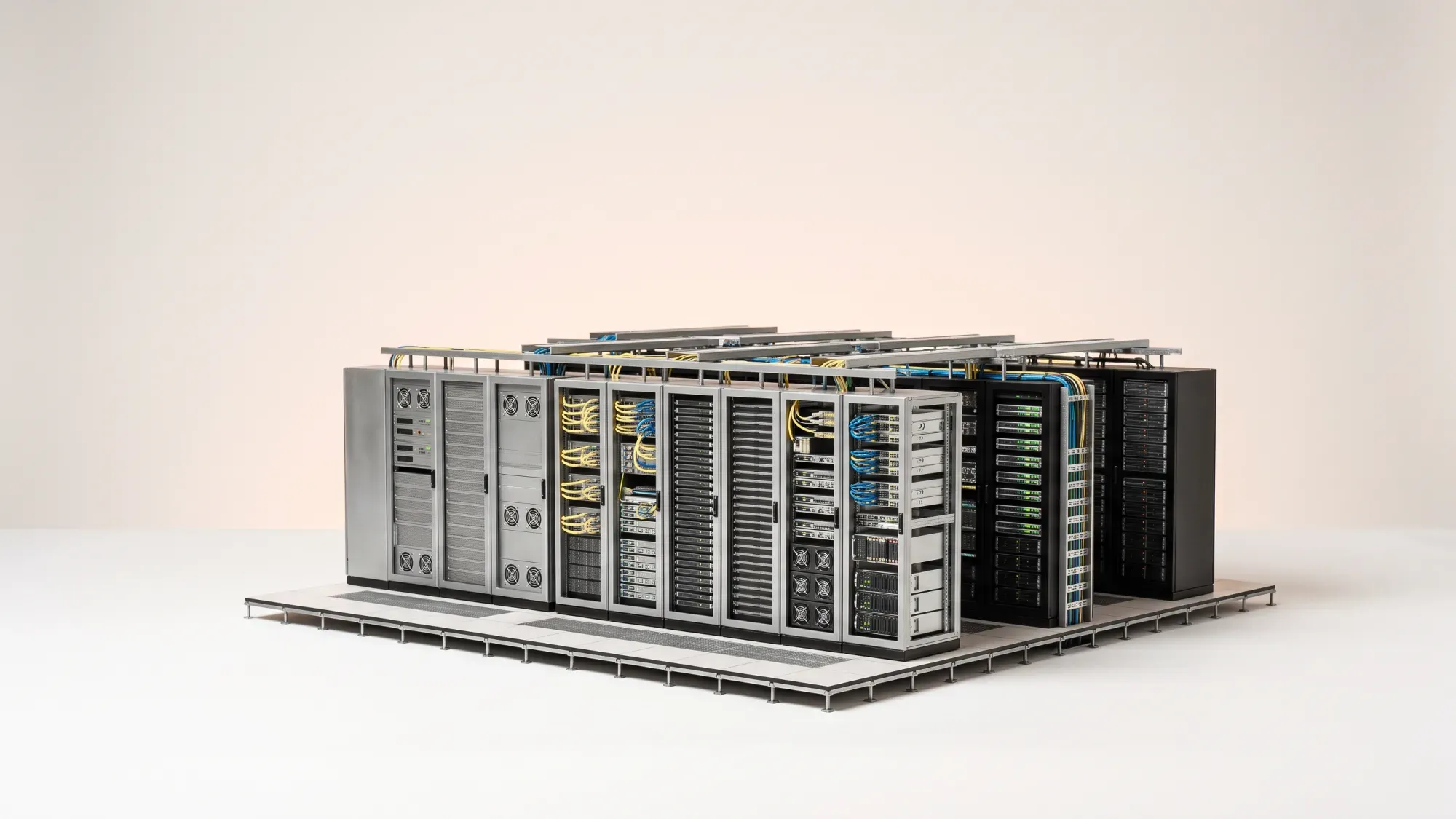
The UK's data centres now consume 5.9% of the nation's electricity1, a figure that has risen sharply due to a 15% global increase in energy usage over the past two years, largely driven by artificial intelligence (AI). This surge is creating energy shortages and prolonged grid connection delays, with queues increasing by 460% in the first half of 2025 alone. This situation presents significant challenges in securing reliable, affordable, and sustainable energy amidst growing public scrutiny and grid strain.
The escalating energy demands of data centres highlight a broader challenge for the UK's energy infrastructure. At Fuse Energy, we believe in building a future with abundant, clean energy for everyone. Click here to switch to Fuse Energy today and join us in making energy a power play, not a problem.
Current consumption and growth trends
Data centres are the unseen backbone of the digital economy, powering everything from cloud services to streaming platforms. However, their energy footprint is expanding at an unprecedented rate. In the UK, these facilities now account for 5.9% of national electricity consumption. This is a substantial increase, reflecting a broader global trend where data centre energy usage has climbed by 15% worldwide in just two years. This rapid growth underscores the escalating demand for digital infrastructure and the energy required to sustain it.
The AI boom and its energy footprint
The primary catalyst for this dramatic rise in energy consumption is the explosion of AI technologies. Training and operating large language models and other AI applications demand immense computational power, translating directly into higher electricity usage. This "AI boom" is not just a technological shift; it's a fundamental reshaping of energy demand patterns, pushing existing infrastructure to its limits.
The reality of grid capacity limitations
The UK's National Grid is struggling to keep pace with the escalating energy demands from data centres. The infrastructure, largely designed for a different era, was not built to handle the gigawatts of power now being requested by AI and cloud computing facilities. This mismatch between supply and demand is leading to tangible energy shortages and placing considerable strain on the grid's capacity. This bottleneck affects not only data centres but also other sectors requiring new grid connections.
Impact on data centre expansion plans
The most immediate and critical impact for data centre operators is the severe delay in obtaining grid connections. The queue for connecting new facilities to the grid saw a staggering 460% increase in the first half of 2025. These delays can stretch for several years, threatening project timelines, operational readiness, and the UK's ability to compete in the global digital economy. Greenpeace UK warns that an unchecked AI boom could lead to a "new lifeline for fossil fuels" if energy and environmental concerns are not addressed, highlighting the urgency of the power availability crisis.
Transparency, water use, and environmental assessments
The environmental implications of data centre growth extend beyond electricity consumption. Greenpeace UK warns that an "unchecked AI boom" could lead to higher energy bills for consumers and increased pressure on water supplies. Doug Parr from Greenpeace UK stresses the need for greater transparency from tech companies regarding their energy and water usage, alongside robust environmental impact assessments.
Public and political concerns over energy security
As data centre energy consumption rises, so does community and political opposition. Research from the International Data Center Authority (IDCA) indicates that significant pushback typically begins once a nation's data centre footprint has reached the 5% consumption level of national grids. The UK, now at 5.9%, is well past this threshold, leading to growing societal and political concerns about energy security and the allocation of resources. This pushback can manifest as project cancellations or increased regulatory scrutiny, impacting future development.
Navigating the regulatory landscape
The escalating energy demands of data centres are prompting a re-evaluation of energy policy and regulation in the UK. The situation necessitates robust environmental impact assessments for new and existing facilities, moving beyond speculative projects that clog grid connection queues. There is also growing pressure for greater transparency from tech companies regarding their energy and water usage, allowing regulators and communities to better understand and plan for the impact of digital growth. This will directly influence policy, investment, and operational planning in the sector.
The role of tech companies in sustainable growth
Tech companies have a critical role to play in fostering sustainable growth. While the demand for AI and digital services continues to soar, the industry must engage proactively with stakeholders to address concerns about energy and water usage. This includes investing in more efficient technologies, but also collaborating on broader energy supply solutions that go beyond incremental efficiency gains. The current challenges highlight the need for a systemic approach, where tech companies contribute to building an energy infrastructure capable of supporting future innovation without compromising environmental or energy security.
Challenging the "use less" narrative
The UK's data centre energy crisis is a symptom of an outdated energy paradigm. For too long, the narrative around energy has been dominated by a "use less" mentality, treating energy as a scarce resource that must be rationed. This scarcity mindset, while promoting efficiency, is insufficient to meet the exponential growth in demand driven by advanced computing and AI. Instead of focusing solely on consuming less, the challenge lies in building a system that can provide more energy - abundant, clean, and readily available.
Managing your energy bills should be clear and easy to understand. Fuse Energy focuses on straightforward pricing, so you can see exactly what you're paying without unnecessary complexity. If you have a smart meter, you can view detailed usage data through the app or website, helping you understand how you can lower your bills. Our 24/7 human support team is always on hand with fast response times whenever you need help. Click here to switch to Fuse Energy today. Find out about our mission by clicking here.
References
- AI Energy Intelligence. Datacentres now consume 6% of UK electricity, report reveals amid AI boom