Rebuilding the energy system for UK data centre sustainability
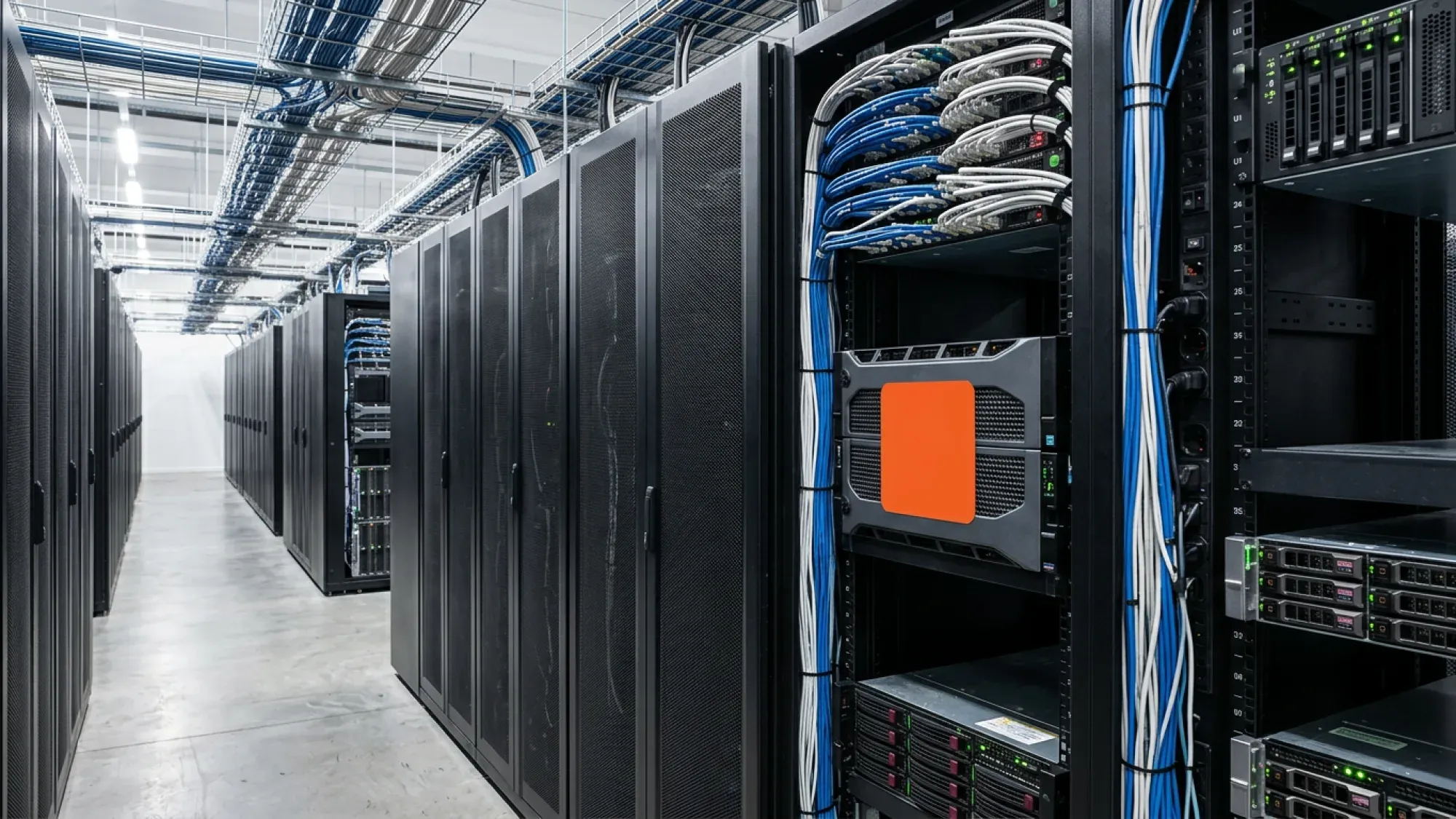
The rapid growth of data centres in the UK presents a significant challenge: how can escalating energy demands be met while enhancing environmental performance and operational efficiency? This situation often leads to short-term, unsustainable solutions driven by a scarcity mindset. At Fuse Energy, we believe in rebuilding the energy system from the ground up to deliver abundant, clean, and affordable energy. This systemic transformation is the ultimate enabler for all high-demand sectors, including data centres, to grow and innovate without energy being a limiting factor. While Fuse Energy currently supplies residential energy only, our mission is to deliver the abundant, clean energy the future requires for everyone.
Addressing the growing energy demands of UK data centres requires innovative thinking and a commitment to sustainable solutions. While Fuse Energy currently supplies residential energy only, our mission is to deliver the abundant, clean energy the future requires for everyone. For homeowners looking to manage their energy more effectively, you can switch to Fuse Energy today by clicking here.
Enter your address to get a quote and see how much you could save
The UK data centre energy challenge
The digital backbone of the UK relies heavily on data centres, yet their rapid expansion presents a formidable energy challenge. The sector's energy appetite is not just growing; it is accelerating beyond previous forecasts, placing unprecedented strain on existing infrastructure.1
Projected demand and grid constraints
The energy demand from UK data centres is projected to increase by an astonishing 40% more than previously forecasted. This surge places immense pressure on the existing energy infrastructure, leading to significant grid constraints. Resolving these infrastructure bottlenecks is not a quick fix; it is both costly and time-consuming, as Lee Ackerman from Connectus Utilities highlights. The sheer scale of this projected demand underscores the urgent need for a strategic, long-term approach to energy management and infrastructure development.
The 'missed opportunity' of gas power stations
In response to grid limitations, some new data centres are opting to build dedicated gas power stations. This approach, while seemingly pragmatic for bypassing immediate constraints, has drawn sharp criticism. David Wood, head of net zero engineering and operations at Ennovus Solutions, describes it as a "major missed opportunity" for the UK's climate resilience.
"The figures for the expected energy demand of data centres are staggering, but immediately pivoting to new gas power stations is incredibly disappointing." — David Wood, head of net zero engineering and operations at Ennovus Solutions
This strategy locks in fossil fuel dependency, undermining broader net-zero ambitions and perpetuating a scarcity mindset rather than embracing the potential of abundant renewable energy.
Beyond energy: the water consumption issue
While energy consumption dominates discussions, data centres also face a critical, often overlooked, sustainability challenge: water usage. Cooling systems, essential for maintaining optimal operating temperatures, can consume vast quantities of water. Addressing this factor is crucial for a truly sustainable data centre infrastructure. Lee Ackerman from Connectus Utilities stresses the importance of innovative water management, suggesting methods like rainwater harvesting and greywater recycling to mitigate environmental impact.
Strategies for sustainable data centre operations
Moving beyond short-term fixes requires a holistic approach that integrates advanced technologies and forward-thinking infrastructure planning. The goal is not merely to reduce consumption, but to enable unconstrained growth through abundant, clean resources.
Integrating large-scale renewable generation
The future of data centre power lies in large-scale renewable generation. Instead of relying on dedicated gas power stations, data centres can advocate for and integrate power from sources like wind and solar. David Wood champions this shift, arguing for renewable generation, such as wind turbines, to meet consistent energy demands. This approach not only decarbonises operations but also contributes to the UK's energy independence and resilience. On-site renewable generation, where feasible, can further enhance self-sufficiency and reduce reliance on the grid.
The role of advanced energy storage
Renewable energy sources, by their nature, are intermittent. This is where advanced energy storage technologies become indispensable. Vanadium Flow batteries, for instance, offer a scalable and long-duration storage solution that can balance the fluctuating output of renewables. Wood argues, "If battery storage is on the table to support the National Grid, it is nonsensical not to bring on-site renewable generation into the exact same conversation". Such technologies enable data centres to store excess renewable energy and discharge it during peak demand or when generation is low, providing consistent, clean power and supporting National Grid flexibility.
What are Vanadium Flow batteries?
Vanadium Flow batteries are a type of rechargeable flow battery that uses vanadium ions in different oxidation states to store chemical energy. Known for their long lifespan, scalability, and ability to discharge for extended periods, they are well-suited for large-scale energy storage applications, particularly when paired with intermittent renewable energy sources.
Optimising water usage for cooling
Sustainable data centres must also tackle their water footprint. Implementing water efficiency measures is paramount. Rainwater harvesting can capture and store precipitation for cooling purposes, reducing reliance on municipal water supplies. Greywater recycling, which treats and reuses wastewater from non-potable sources, offers another avenue for significant water savings. These strategies not only conserve a vital resource but also enhance the climate resilience of data centre operations.
Policy, infrastructure, and the path to net zero
Achieving true sustainability for UK data centres requires a concerted effort involving policy, infrastructure upgrades, and a commitment to net-zero engineering principles.
Navigating UK energy policy and grid upgrades
Data centre operators must engage proactively with the evolving UK energy policy landscape. Ofgem grid policy and National Grid flexibility initiatives are increasingly relevant to data centre energy management and integration. While grid upgrades are planned, resolving infrastructure bottlenecks is costly and time-consuming. The UK government is actively developing policy regarding data centres, and parliamentary committees are examining the risks and opportunities to their sustainability as critical national infrastructure. Understanding and influencing these policies can help align data centre growth with national energy goals.
National Grid flexibility and data centre participation
Data centres, with their significant and flexible energy loads, have a unique opportunity to participate in National Grid flexibility schemes. By intelligently managing their energy consumption and leveraging on-site generation and storage, they can provide demand-side response services, helping to balance the grid and integrate more renewables. This participation not only generates revenue but also positions data centres as active contributors to a stable, decarbonised energy system.
Towards a net-zero engineering mandate
A net-zero engineering mandate for both new builds and existing data centre facilities is essential. This involves adopting a holistic approach that considers every aspect of a data centre's lifecycle, from design and construction to operation and decommissioning. It means prioritising energy efficiency, integrating renewables, deploying advanced storage, and optimising water usage from the outset. This mandate ensures that data centres are not just compliant with regulations but are actively driving environmental performance.
Future-proofing UK data centres
The future of UK data centres is one of immense potential, provided the underlying energy infrastructure can support unconstrained growth. This requires a shift in mindset and a commitment to systemic change.
Climate resilience and technology infrastructure
Building climate resilience into UK technology infrastructure is paramount. This means designing data centres that can withstand the impacts of climate change, from extreme weather events to resource scarcity. It also involves investing in robust, decentralised energy systems that are less vulnerable to single points of failure. By integrating on-site renewables and advanced storage, data centres can enhance their operational resilience, ensuring continuous service even amidst broader grid challenges.
Embracing an abundance mindset for growth
The current trend of building gas power stations to bypass grid constraints reflects a scarcity mindset - a belief that energy is a limited resource that must be carefully rationed. Fuse Energy challenges this consensus, advocating for a future where energy is abundant, cheap, and clean. Our vision is to rebuild the energy system to deliver terawatt-hours of clean power, enabling sectors like data centres to grow and innovate without energy being a limiting factor. This means moving beyond incremental efficiency gains to a systemic transformation that unlocks true energy independence for the UK and empowers data centres to thrive.
Managing your energy bills should be clear and easy to understand. Fuse Energy focuses on straightforward pricing, so you can see exactly what you're paying without unnecessary complexity. If you have a smart meter, you can view detailed usage data through the app or website, helping you understand how you can lower your bills. Our 24/7 human support team is always on hand with fast response times whenever you need help. Click here to switch to Fuse Energy today. Find out about our mission by clicking here.
References
Disclaimer
For the avoidance of doubt, this article is provided for informational purposes only and is not intended to constitute legal or financial advice. The author and/or Fuse Energy shall not be responsible for any losses arising out of any reliance on the information contained herein.