UK data centre energy: on-site gas power to beat grid delays
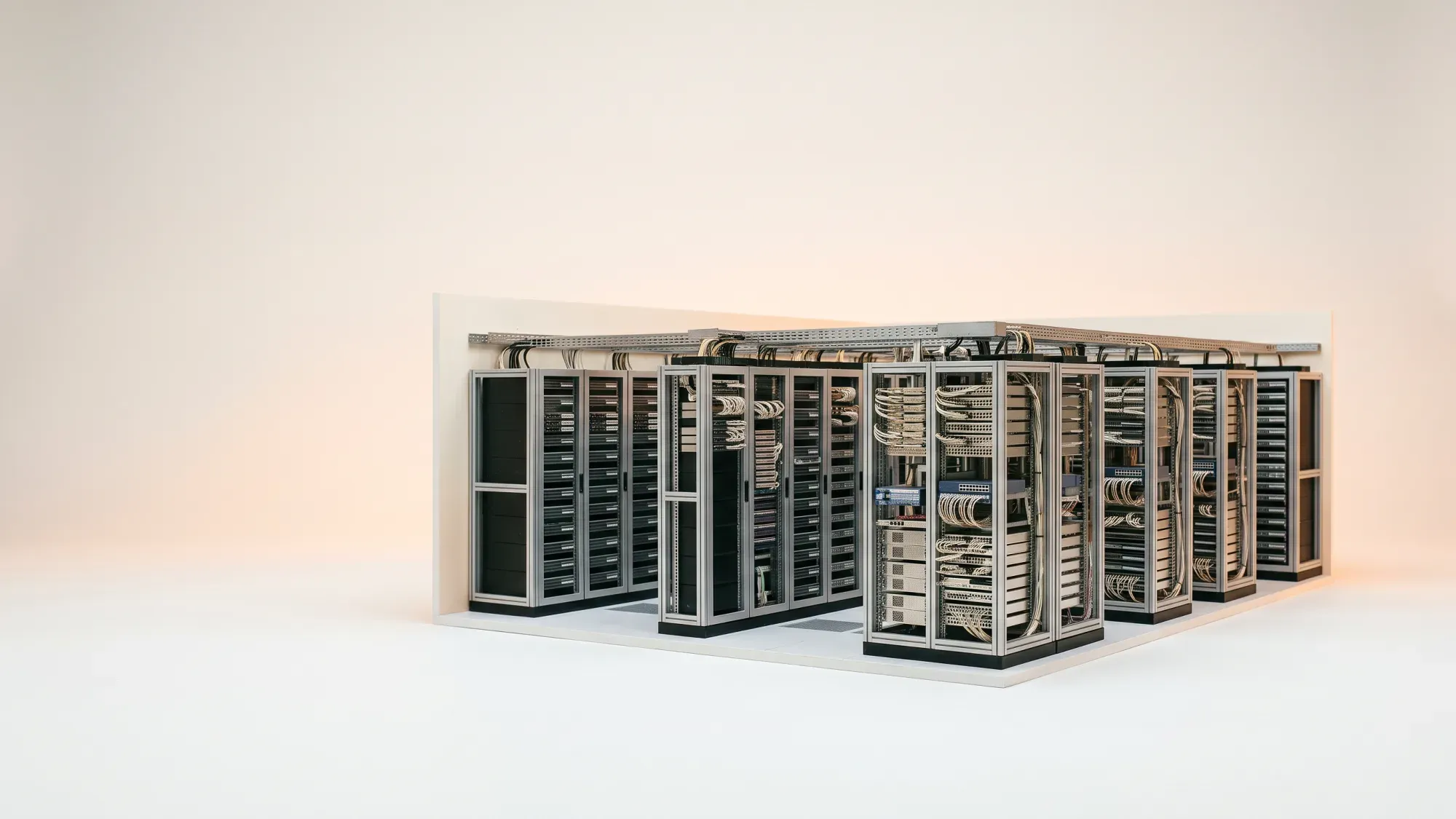
The UK's digital infrastructure faces a critical bottleneck: electricity grid connection delays for new data centres and hyperscalers that could extend to 20381. This challenge threatens to stifle the rapid expansion needed to power the escalating demands of artificial intelligence (AI) and cloud computing. However, a pragmatic solution lies in leveraging the UK's existing national gas network for on-site power generation, offering a significantly faster route to energy independence and a credible pathway to long-term sustainability.
The challenges facing UK data centre energy highlight the need for innovative solutions. While Fuse Energy focuses on providing abundant, clean energy for homes, we understand the broader energy landscape and the importance of reliable power for all sectors. Click here to switch to Fuse Energy today.
Enter your address to get a quote and see how much you could save
The UK data centre energy challenge
The digital economy relies heavily on data centres. Yet, their growth is hampered by an outdated energy infrastructure struggling to keep pace.
Escalating demand and grid connection delays
The demand for data centre capacity is surging, driven by the exponential growth of AI and cloud computing. Hyperscalers and data centre developers are prepared to invest hundreds of billions of pounds in UK digital infrastructure. However, they often encounter connection timelines stretching up to a decade for new projects, with some facing waits until 2038 for grid connections. This creates a significant timing problem, as AI development and deployment are rapid, while major grid reinforcement takes years.
"Hyperscalers and data centre developers are arriving with hundreds of billions of pounds in capital, ready to break ground on the digital infrastructure of tomorrow, only to be handed an administrative slip of paper telling them their grid connection will not be ready until 2038." — Stuart Broadley, CEO of the Energy Industries Council
The impact of AI on power requirements
AI workloads are fundamentally reshaping data centre energy consumption. Modern AI-driven data centres demand substantially more power per square foot than previous generations, necessitating significant changes in traditional data centre design. This escalating demand highlights the urgent need for reliable, continuous baseload power solutions that can bypass existing grid limitations.
On-site gas power generation: an immediate solution
Given the protracted timelines for electricity grid connections, on-site power generation offers a viable and immediate alternative for data centres.
Leveraging the national gas network
The UK possesses a robust, high-capacity national gas network that can be leveraged to provide power to data centres much faster than traditional electricity grid connections. Securing a high-pressure connection to the National Gas Transmission Network typically takes between six and 12 months, a stark contrast to the years, or even a decade, required for electricity grid access. This approach allows data centres to come online significantly quicker, enabling hyperscalers to deploy their capital and infrastructure without being held back by grid bottlenecks.
Combined Cycle gas turbines for baseload supply
Combined Cycle Gas Turbines (CCGT) are a highly efficient technology for on-site power generation, providing reliable and continuous baseload power supply for data centres. By generating power on-site using CCGTs, data centres can ensure a stable and independent energy supply, crucial for maintaining the high reliability standards required for digital infrastructure. They demand "five-nines availability" - a staggering 99.999% uptime.
A pathway to sustainable data centre power
While on-site gas power generation offers immediate relief from grid delays, its long-term sustainability is paramount. Modern gas turbine technology is evolving to address environmental concerns and align with decarbonisation goals.
Hydrogen-ready gas turbines and biomethane integration
A key advantage of modern gas turbines is their increasing design to be "hydrogen-ready". This means they can seamlessly blend natural gas with green hydrogen or biomethane, and eventually switch entirely to these lower-carbon fuels as supplies become commercially viable. This capability provides a practical transition path, allowing data centres to secure power today while future-proofing their operations for a decarbonised energy landscape. This approach aligns with corporate net-zero commitments without compromising the critical reliability needed for data centre operations.
Carbon capture technology for industrial decarbonisation
To further enhance the sustainability of gas-fired power generation, carbon capture, usage and storage (CCUS) technologies can be integrated. Capturing carbon from a localised, single-point on-site generation facility, such as a data centre's power plant, is significantly more feasible than mitigating the diffuse footprint of a wider, unstable macro-grid.
Strategic benefits for digital infrastructure
Adopting on-site gas power generation with hydrogen-ready turbines offers a multitude of strategic benefits for UK data centres, extending beyond simply bypassing grid delays.
Enhanced reliability and energy security
Independent of volatile weather conditions or localised electrical grid failures, dedicated gas turbines provide continuous, controllable, and dispatchable power. This ensures the high level of reliability and uptime essential for critical digital infrastructure. By generating their own power, data centres gain greater energy security, reducing their vulnerability to external grid disruptions and price fluctuations. This self-sufficiency is vital for maintaining uninterrupted operations, especially for AI workloads that demand constant, high-density compute.
Avoiding high transmission costs and supporting grid balancing
Data centres, unlike other energy-Intensive industries, are not typically recognised as Energy Intensive Industries (EII) in the UK, meaning they often bear the full brunt of transmission, network, and policy costs. On-site generation can help avoid these high electricity transmission costs. Furthermore, data centres with on-site power can contribute to wider grid stability. When the local electrical grid experiences peak demand, these on-site assets can even export excess electricity back to the public, turning a data centre from a drain on the community into a balancing mechanism for the wider energy network.
Shaping the future of UK data centre energy
The strategic shift towards on-site power generation for data centres represents a crucial step in securing the UK's digital future.
The role of energy transition technology
The deployment of hydrogen-ready gas turbines for data centres exemplifies a forward-thinking approach to energy transition. It allows the UK to secure its digital infrastructure today while building in the flexibility to decarbonise the fuel source tomorrow. This strategy aligns with Fuse Energy's vision of building an abundant energy future, challenging the scarcity mindset with data-backed solutions. By embracing such innovative, vertically integrated power solutions, the UK can move beyond outdated grid limitations and ensure its position as a leader in the global digital economy.
Managing your home energy bills should be clear and easy to understand. Fuse Energy focuses on straightforward pricing, so you can see exactly what you're paying without unnecessary complexity. If you have a smart meter, you can view detailed usage data through the app or website, helping you understand how you can lower your bills. Our 24/7 human support team is always on hand with fast response times whenever you need help. Click here to switch to Fuse Energy today. Find out about our mission by clicking here.
References
- Energy Voice. AI's energy answer is staring us in the face
Disclaimer
For the avoidance of doubt, this article is provided for informational purposes only and is not intended to constitute legal or financial advice. The author and/or Fuse Energy shall not be responsible for any losses arising out of any reliance on the information contained herein.