Clean growth Fund II secures £81.5 million for UK climate tech
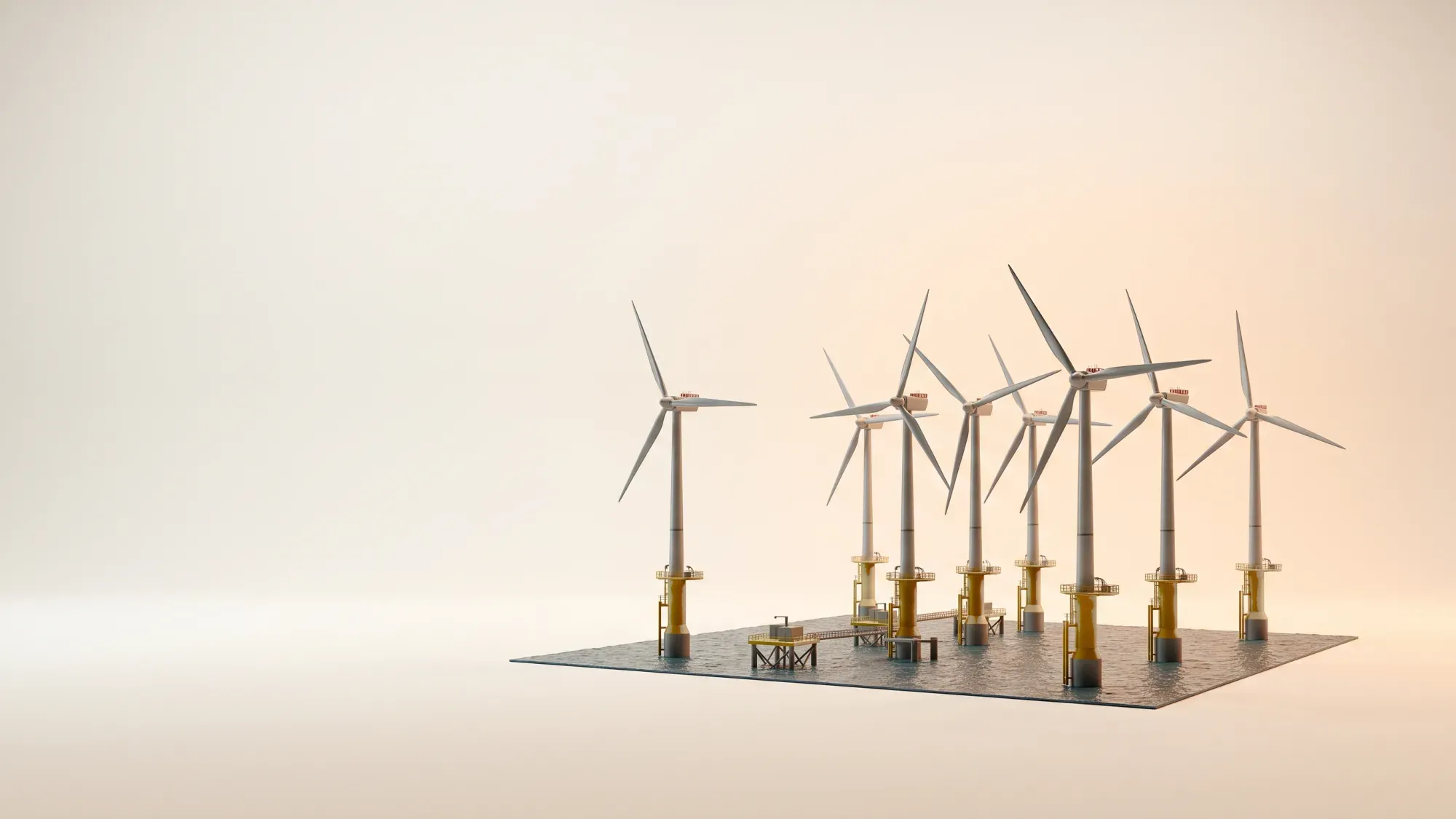
The UK climate technology sector continues to attract significant capital, with the Clean Growth Fund (CGF) recently announcing a successful second close for its Fund II, securing £81.5 million in investor commitments1. This brings the fund over halfway to its £150 million target, underscoring robust confidence in the UK's green economy and its potential for strong long-term returns. This investment highlights the growing momentum in UK climate tech, a sector poised for substantial growth.
Investing in climate tech is a strategic pathway to achieving energy abundance, moving beyond the traditional "use less" narrative. Fuse Energy focuses on vertically integrating and rebuilding the energy system from the ground up to deliver the cheapest, cleanest energy possible.
Explore smarter energy for your home. With Fuse Energy, you get clear pricing, real-time usage data, 24/7 human customer support, and a modern energy experience designed around you. Signing up takes just a few minutes, so you can take control of your bills from day one. Click here to switch to Fuse Energy today and start saving.
Enter your address to get a quote and see how much you could save
The UK climate tech investment landscape
Current market trends and growth drivers
The UK has cemented its position as a leading global climate tech ecosystem, second only to the United States, boasting over 5,000 climate tech startups and scale-ups. The sector attracted £2.6 billion in funding in 2023, surpassing Germany and Canada, with its energy sector alone receiving over £1 billion. Climate tech firms in the UK are also demonstrating higher confidence than the wider business population, with 99% expressing optimism in their own business outlook in 2025. This surge reflects a critical shift from pilot projects to system-scale deployment across various sectors, including power generation, industrial decarbonisation, and circular economy infrastructure.
Key sub-sectors attracting capital
Investment is flowing into diverse areas. Renewable energy devices are projected to be a significant part of the market. Other key product types include energy storage systems, waste management and recycling technologies, carbon capture and storage (CCS), and building and construction technologies. Software solutions, particularly renewable energy management, are also gaining traction. AI-related climate tech has seen a significant increase in investment, attracting 36% of UK climate tech investment in 2024, up from 9% in 2021, highlighting the UK's emerging leadership in this area.
The role of venture capital in the green economy
Venture capital (VC) plays a pivotal role in nurturing early-stage climate technology firms, providing the essential equity needed for initial growth. Funds like CGF are critical in identifying and backing innovations that aim to significantly reduce greenhouse gas emissions or improve resource efficiency. While the UK has strong support for early-stage companies through grants and VC funding, a funding gap often emerges as technologies mature and require larger capital injections for commercialisation. This has led to a growing need for institutional investors to deploy more capital into climate-focused VCs, particularly for Series B-C-oriented funds, to increase the volume and magnitude of deal-flow into the sector.
Clean growth Fund II: a case study in climate capital
Fund II's successful £81.5 million raise and target
CGF II has successfully secured £81.5 million in investor commitments, moving closer to its ambitious £150 million target. This significant raise demonstrates continued investor confidence in the fund's strategy and the broader UK climate tech market.
Investment strategy and focus areas for UK innovation
CGF, established in 2020, focuses its investments on Seed and Series A climate technology firms across the UK. The fund's mandate is clear: to back companies developing technologies that reduce carbon emissions and foster the green economy. This includes innovations that significantly cut greenhouse gas emissions or enhance resource efficiency. Fund II plans to support approximately 25 companies and has already invested in four startups working in critical areas such as battery technology, food, heavy industry, and buildings. The fund employs a place-based investment strategy, supporting innovation in established hubs like Oxford, Cambridge, and London, as well as emerging regional centres across the UK.
Institutional backing and investor confidence
The second close of Fund II was notably anchored by a £22.5 million commitment from Border To Coast Pensions Partnership's UK Opportunities Fund. This commitment is part of a strategy to target investments in high-quality UK companies and assets that can deliver attractive returns while contributing to economic growth. Keith Angood, Portfolio Manager at Border To Coast Pensions Partnership, noted that CGF II strongly aligns with these objectives, offering exposure to innovative UK businesses operating in a growing sector, managed by an team with a proven track record. The Strathclyde Pension Fund also increased its commitment to Fund II by an additional £10 million, bringing its total investment to £30 million. This institutional backing highlights a broader trend of major investors recognising the potential for strong long-term returns and economic growth offered by UK climate tech.
What is the CGF's investment focus?
The CGF invests in Seed and Series A UK-based climate technology companies. Its focus is on innovations that significantly reduce greenhouse gas emissions or improve resource efficiency, backing firms that contribute to the green economy and carbon emission reduction across the UK.
Scaling climate solutions: opportunities and challenges
From Seed to scale: supporting early-stage firms
While the UK excels at nurturing early-stage climate tech companies, a significant challenge lies in scaling these innovations to commercial maturity. A funding gap exists at the commercialisation stage, particularly for companies requiring £25-100 million or more to build manufacturing facilities, a sum often beyond the typical cheque sizes of venture capital funds. These climate technologies are frequently capital-intensive and require funding pre-revenue, making traditional debt financing unsuitable. This can lead to UK climate tech startups struggling to commercialise or even moving operations overseas to secure necessary capital.
Operational insights for effective deployment
The journey from innovative idea to widespread deployment is fraught with practical hurdles. Operational realities, such as complex permitting processes and fragmented ecosystems, can significantly slow down the scaling of climate tech solutions. For instance, while a climate tech company might build a recycling plant in three months, obtaining the necessary permits could take a year, with much of that time spent waiting for paperwork to be processed. Addressing these systemic inefficiencies is crucial for accelerating the deployment of climate solutions.
Policy and innovation ecosystems driving growth
Government support and a robust innovation ecosystem are vital for overcoming scaling challenges. The UK government has committed £1.2 billion to the Green Industries Growth Accelerator, focusing on sectors such as offshore wind, carbon capture, utilisation, and storage (CCUS), and nuclear energy. The National Wealth Fund (NWF) is also playing a role, outlining plans to deploy capital to unlock long-term growth and accelerate the clean energy transition, with targeted interventions to de-risk investment in priority sectors like energy storage and battery manufacturing. Blended finance mechanisms, combining public and private capital, are increasingly seen as central to mobilising capital at scale and incentivising institutional investors to support the sector.
The builder's perspective: Fuse Energy's approach to climate tech
Vertical integration for energy abundance
The investment in climate technology is not merely about mitigating scarcity; it is a strategic pathway to achieving energy abundance. Fuse Energy's approach embodies this by focusing on vertically integrating and rebuilding the energy system from the ground up. This strategy aims to deliver the cheapest, cleanest energy possible, ultimately working towards a future with "power to play with" - where energy is so abundant it becomes an invisible utility, freeing individuals and households to innovate and thrive. This contrasts with the traditional "use less" narrative, instead emphasising the potential for more energy and capability.
Real-world projects and infrastructure development
Fuse Energy's commitment to building and scaling climate tech infrastructure is evident in its operational projects. These include solar sites like Netley North in Hampshire and Bullous Park in Devon, as well as the Balnamoon onshore wind site in Moray. These real-world deployments provide practitioner-led insights into the complexities and opportunities of developing and operating renewable energy assets. Such projects are crucial for demonstrating the tangible impact of climate tech investment and informing future strategies for effective deployment.
Long-term value creation in the green economy
Investing in climate tech, particularly through a vertically integrated model, contributes to long-term value creation within the green economy. By optimising the entire energy stack, from generation to grid management and retail, companies like Fuse Energy can drive down costs and enhance efficiency. This not only supports decarbonisation goals but also fosters sustainable business growth and economic development. The strategic deployment of capital into climate innovation, as seen with funds like CGF and the operational strategies of energy infrastructure builders, is essential for unlocking the full potential of the UK's green economy.
Managing your energy bills should be clear and easy to understand. Fuse Energy focuses on straightforward pricing, so you can see exactly what you're paying without unnecessary complexity. If you have a smart meter, you can view detailed usage data through the app or website, helping you understand how you can lower your bills. Our 24/7 human support team is always on hand with fast response times whenever you need help. Click here to switch to Fuse Energy today. Find out about our mission by clicking here.
References
Disclaimer
For the avoidance of doubt, this article is provided for informational purposes only and is not intended to constitute legal or financial advice. The author and/or Fuse Energy shall not be responsible for any losses arising out of any reliance on the information contained herein.