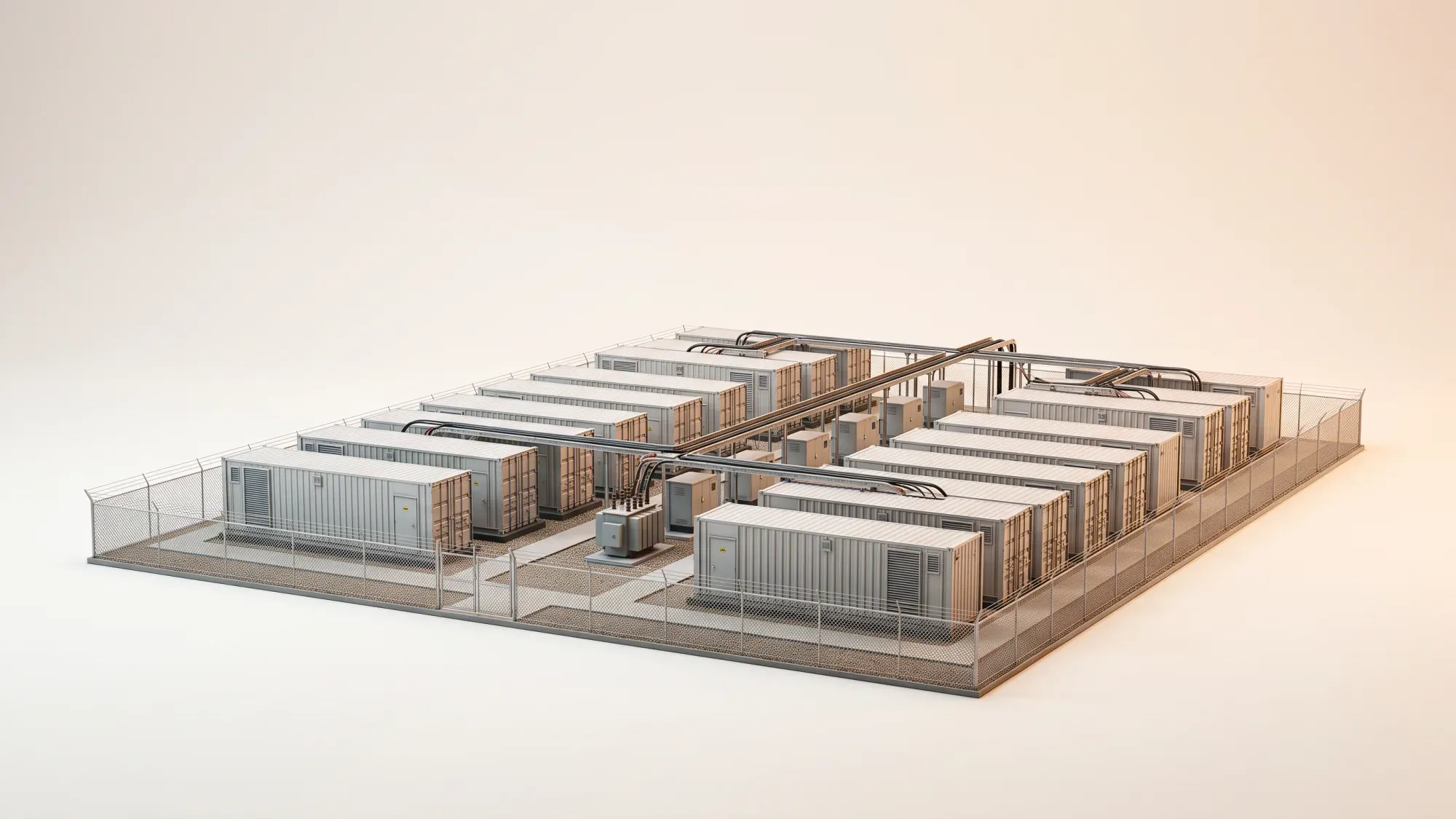
The UK Government has released an update to its Clean Flexibility Roadmap, detailing progress since July 2025 and outlining new commitments to achieve a decarbonised electricity system by 2050. This July 2026 update1 aims to integrate home-grown, clean flexibility, with National Energy System Operator (NESO) modelling suggesting an eight-fold increase in clean flexibility capacity from 2024 to 2050. Key achievements include a £15 billion public investment through the Warm Homes Plan and a significant increase in grid-scale battery storage, with UK capacity reaching 7.5GW in 2025. New actions focus on consumer-led flexibility, with the government committed to assessing how consumers can access support for low carbon technologies using flexible tariffs.
What is energy flexibility?
Energy flexibility refers to the electricity system's ability to adapt to changes in supply and demand. This involves adjusting how energy is generated, stored, and consumed to ensure a stable and efficient grid. It focuses on optimising energy use, rather than just reducing it, by leveraging renewable sources when they are abundant and cheaper. This dynamic approach helps manage the intermittent nature of renewables like wind and solar, ensuring a continuous and reliable power supply.
Why is clean flexibility crucial for the UK?
Clean flexibility is vital for the UK's ambition to achieve a decarbonised electricity system by 2050 and reach net zero emissions. As more renewable energy is integrated, the grid needs to become more adaptable. Flexibility ensures that electricity from sources like wind and solar can be effectively used, stored, or shifted to times of higher demand, preventing waste and reducing reliance on fossil fuels. This approach supports environmental goals, enhances energy security, and can lead to lower costs for consumers.
The Clean Flexibility Roadmap outlines the UK's strategy for a smart, secure, and decarbonised electricity system. The latest update highlights significant progress and sets out ambitious new commitments.
Significant investment in the Warm homes plan
The government has made a substantial £15 billion investment through the Warm Homes Plan. This initiative aims to upgrade up to 5 million homes by 2030, helping to lift up to a million families out of fuel poverty. The plan provides grants and loans for installing low carbon technologies such as heat pumps, solar panels, and batteries, making clean energy solutions more accessible and affordable.
Growth in grid-scale battery storage capacity
The UK has seen remarkable growth in its grid-scale battery storage capacity, reaching 7.5GW in 2025. A record 2.3GW of new grid-scale battery storage was energised in 2025 alone. This expansion positions the UK as a leader in Europe for battery storage, which is crucial for balancing the grid and integrating renewable energy effectively.
New commitments for consumer-led flexibility
A key focus of the updated roadmap is consumer-led flexibility. The government is committed to rapidly assessing the feasibility of consumers accessing government support for low carbon technologies, such as solar panels, heat pumps, and home batteries, using a flexible tariff, with the option for the consumer to opt out. This commitment aims to empower homeowners to play a more active role in managing their energy use and contributing to grid stability. Other initiatives include removing final consumption levies for demand turn up and accelerating hydrogen to power deployment.
The shift towards a flexible energy system offers tangible benefits for homeowners beyond national energy security.
Potential for cost savings with flexible tariffs
Flexible tariffs reward you for shifting your electricity consumption to off-peak hours when energy is cheaper and often greener. By using appliances like washing machines, dishwashers, or charging electric vehicles during these times, you can significantly reduce your energy bills. This approach transforms how you pay for energy, giving you more control over your household budget.
Contributing to a stable and decarbonised grid
Every flexible energy choice made at home contributes to the broader goal of a stable and decarbonised National Grid. By reducing demand during peak times or feeding stored energy back into the grid, homeowners help balance supply and demand, making the system more resilient and efficient. This collective effort accelerates the UK's journey towards net zero.
Increased energy independence and resilience
Investing in low carbon technologies like solar panels and home batteries can increase your home's energy independence. By generating and storing your own electricity, you become less reliant on the grid for all your power needs, offering greater resilience against outages and price fluctuations.
Homeowners can actively participate in the flexible energy market through various services and technologies.
The role of smart meters and half-hourly settlement
Smart meters are fundamental to unlocking demand flexibility. They provide real-time data on your energy consumption, enabling half-hourly settlement. By mid-June 2026, Ofgem and Elexon had overseen the migration of more than 11.3 million smart meters to half-hourly settlement, meaning a third of Britain’s electricity metering systems now operate under these arrangements. This allows for precise tracking and rewarding of flexible energy behaviour. With a smart meter, you can take full advantage of flexible tariffs and demand flexibility services.
Leveraging low carbon technologies for flexibility
Low carbon technologies are central to consumer-led flexibility. Heat pumps can be programmed to pre-heat your home during off-peak hours, saving money and reducing strain on the grid. Solar panels generate clean electricity, which can be used immediately or stored in home batteries for later use. The government's assessment of linking support for these technologies to flexible tariffs aims to make these options even more attractive.
Exploring vehicle-to-grid (V2G) opportunities
Electric vehicles (EVs) are not just a mode of transport; they can also be mobile energy storage units. Vehicle-to-grid (V2G) technology allows your EV to not only charge from the grid but also to discharge electricity back into your home or the grid when needed. This turns your EV into a valuable asset for energy flexibility, potentially earning you rewards and further reducing your energy costs.
Home battery storage is a powerful tool for homeowners looking to embrace clean energy flexibility.
Storing cheaper energy for peak times
A home battery allows you to store electricity when it is cheapest, typically during off-peak hours or when your solar panels are generating surplus power. You can then use this stored energy during peak times, avoiding higher electricity rates and significantly reducing your bills. This smart management of energy flow puts you in control.
Supporting grid stability from your home
By storing and releasing energy strategically, your home battery can contribute to grid stability. When the grid experiences high demand, your battery can discharge, easing the pressure. Conversely, when there is an abundance of renewable generation, your battery can charge, absorbing excess power. This small-scale contribution from individual homes collectively strengthens the national energy system.
Integrating with solar panels and EV charging
Home batteries integrate seamlessly with other low carbon technologies. Paired with solar panels, they maximise self-consumption of renewable energy, reducing your reliance on grid electricity. When combined with EV charging, a home battery can ensure your vehicle is charged using the cheapest, cleanest power available, further optimising your home's energy ecosystem.
The UK's journey to a decarbonised electricity system by 2050 is a collective effort, and homeowners play a vital role.
Moving towards a decarbonised electricity system
The Clean Flexibility Roadmap highlights the government's commitment to achieving clean power by 2030 and net zero by 2050. By adopting flexible energy practices and low carbon technologies, you are directly contributing to this national ambition, helping to reduce carbon emissions and build a sustainable energy future.
The future of energy security and sustainability
A flexible energy system, supported by consumer participation and advanced technologies, is key to ensuring the UK's energy security. It reduces dependence on volatile international energy markets and maximises the use of home-grown renewable resources. Your choices today contribute to a more resilient, affordable, and environmentally sound energy system for generations to come.