UK government awards first carbon removal offtake deal
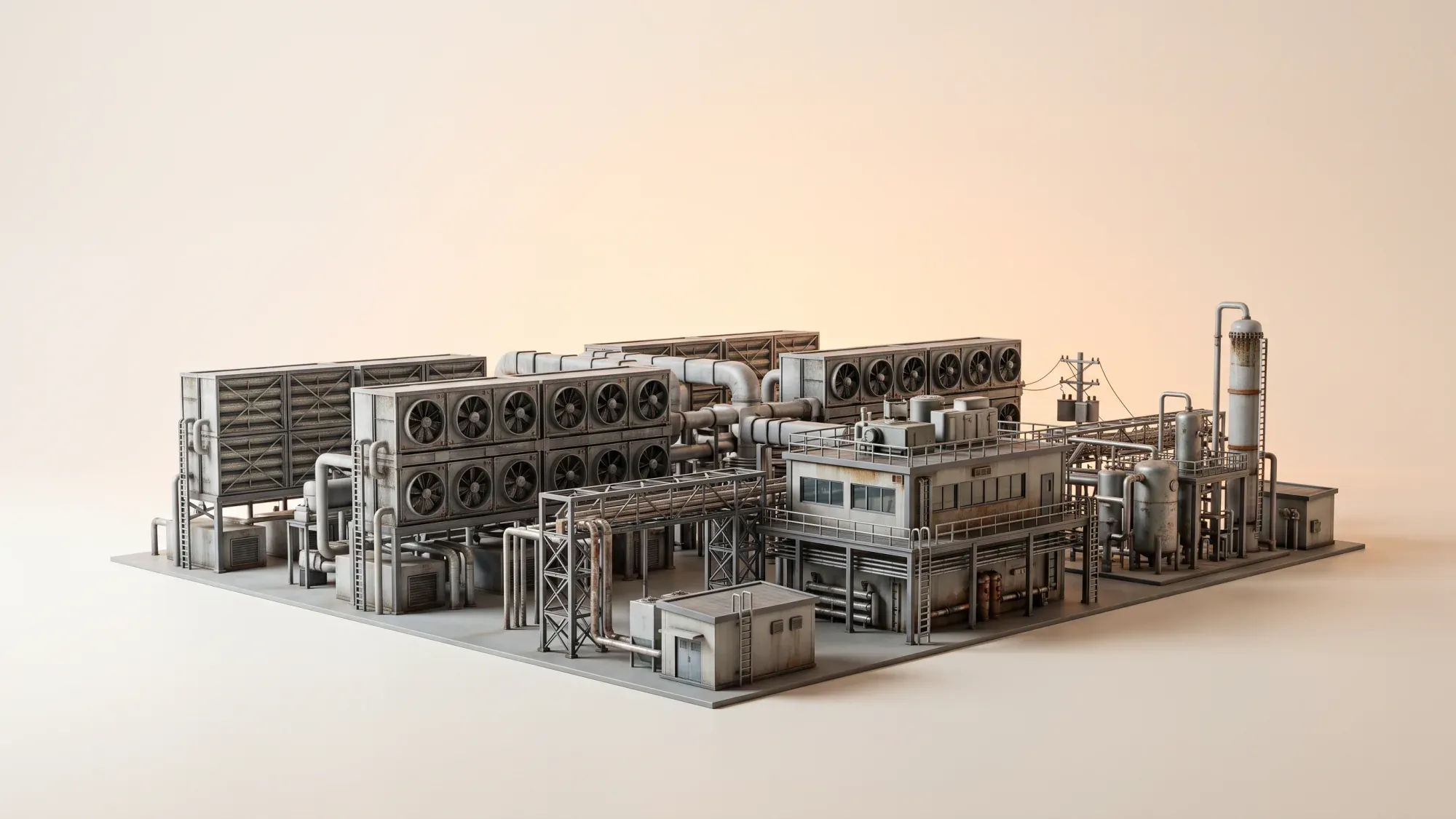
The UK government has announced its first contract to purchase carbon removal credits1, marking a significant step in its strategy to achieve net-zero emissions. This inaugural deal, awarded to a major supplier in the sector, aims to help a new research institute maintain net-zero emissions. This move signals the UK's commitment to fostering a robust carbon removal market and highlights the growing importance of these agreements.
The UK's commitment to a cleaner energy future, highlighted by developments like carbon removal, is something Fuse Energy champions. While we currently supply residential energy only, our mission is to make abundant, clean energy accessible to all. We offer clear pricing, real-time usage data, and 24/7 human customer support, helping you manage your home's energy with ease. Click here to switch to Fuse Energy today.
Enter your address to get a quote and see how much you could save
What are UK carbon removal offtake deals?
Carbon removal offtake deals are long-term agreements where a buyer commits to purchasing future carbon removal credits from a supplier. These contracts provide crucial financial certainty for developers of carbon removal technologies, enabling them to scale up operations and attract investment. Such deals are a proactive way to manage carbon footprints and contribute to global climate goals.
Defining carbon removal and offtake agreements
Carbon removal, also known as greenhouse gas removal (GGR) or carbon dioxide removal (CDR), is the process of extracting CO₂ directly from the atmosphere and storing it permanently in natural or engineered reservoirs. This differs from traditional carbon offsetting, which often focuses on preventing new emissions or preserving existing carbon sinks. Carbon removal is critical for achieving net-zero emissions, particularly for hard-to-abate sectors like aviation, heavy industry, and agriculture, where direct emission reductions are challenging.
Offtake agreements are essentially pre-purchase contracts. In the context of carbon removal, a buyer commits to purchasing a defined volume of a carbon project's future credits at an agreed price, delivered on a set schedule, typically over 5 to 15 years. This structure is similar to power purchase agreements in the energy sector, providing developers with guaranteed revenue streams.
The role of offtake deals in scaling technology
The carbon removal market is still in its early stages, with high upfront costs and limited projects available. Long-term offtake agreements are vital because they de-risk these nascent technologies and provide the necessary capital for scaling up. By securing future demand, these deals enable project developers to make investment decisions, secure financing, and expand capacity to sustainable levels. This financial certainty helps bridge the gap between pilot projects and commercial-scale deployment, driving down costs over time.
Why carbon removal matters for the UK
Engaging with carbon removal offtake deals offers several strategic advantages for the UK, helping to enhance sustainability efforts and meet ambitious climate targets.
Meeting net-zero targets and ESG goals
The UK is committed to achieving net-zero emissions by 2050, a legally binding target set in 2019. For businesses, carbon removal is a critical component of this journey, especially for residual emissions that cannot be eliminated through direct decarbonisation. By investing in high-quality, durable carbon removal, businesses can credibly meet their net-zero commitments and demonstrate strong environmental, social, and governance (ESG) performance.
Risk mitigation and long-term carbon strategy
Offtake agreements allow businesses to secure a stable price for carbon removal credits over a longer term, protecting them from fluctuating spot market prices that may rise with increasing demand. With high-integrity carbon removal supply being scarce, early engagement through offtake deals helps businesses lock in future supply, mitigating the risk of shortfalls as net-zero deadlines approach. This proactive approach positions companies as climate leaders and provides a predictable cost for managing their carbon footprint.
Supporting innovation in decarbonisation
By entering into offtake agreements, businesses directly contribute to the growth and innovation of the carbon removal industry. This support helps fund the development and deployment of cutting-edge technologies such as Direct Air Capture with Carbon Storage (DACCS), Bioenergy with Carbon Capture and Storage (BECCS), enhanced weathering, and biochar. Investing in these solutions not only helps meet climate goals but also fosters a new green economy, creating jobs and technological advancements within the UK.
Navigating the UK carbon market
Navigating the emerging carbon removal market requires a structured approach and careful consideration.
Assessing your carbon footprint and needs
The first step for any business is to accurately assess its current carbon footprint and establish clear net-zero targets. This involves understanding both direct and indirect emissions and identifying which can be reduced internally and which will require carbon removal to balance. This assessment forms the basis for determining the volume and type of carbon removal credits a business might need.
Regulatory developments
The UK is actively developing its carbon market and policy framework to drive decarbonisation efforts. The UK Emissions Trading Scheme (ETS) is a key policy instrument, and engineered greenhouse gas removals are set to be integrated into the scheme by the end of 2029, with legislation expected by 2028. This integration will create a regulated market for carbon removal credits, providing a clear demand signal for investment. Businesses should monitor these regulatory developments, as future frameworks are expected to further define standards for carbon removal credits, verification, and reporting.
Due diligence and partnership selection
The credibility, permanence, and additionality of carbon removal projects are paramount. Businesses must conduct rigorous due diligence when evaluating potential suppliers and projects. This includes assessing the technology, project integrity, and the long-term viability of carbon storage. Engaging with legal and sustainability experts can help structure robust and compliant agreements, ensuring that investments genuinely contribute to climate goals and avoid reputational risks.
The future of carbon removal in the UK
The UK's proactive stance on carbon removal signals a transformative period for climate action and business strategy.
Government policy and market development
The UK government has set an ambition to deploy at least 5 million tonnes of CO₂ per year of 'engineered' removals by 2030, increasing to around 75-81 million tonnes by 2050. This commitment is supported by significant funding for novel solutions and the development of business models, such as a 'contract for difference' (CfD) structure for greenhouse gas removals. The integration of engineered GGRs into the UK ETS by 2029 will further solidify the market, making the UK a leader in regulated carbon removal.
Emerging technologies and opportunities
Technologies like Direct Air Capture with Carbon Storage (DACCS), Bioenergy with Carbon Capture and Storage (BECCS), enhanced weathering, and biochar are receiving funding and are expected to play significant roles. These innovations present opportunities for businesses to invest in solutions that offer permanent carbon storage and contribute to a sustainable future.
Integrating carbon removal into a sustainable energy future
Carbon removal offtake deals contribute to a future with abundant, clean energy by addressing residual emissions that cannot be eliminated through direct decarbonisation. Fuse Energy believes in not settling for the scarcity mindset, extending this to supporting innovative solutions like carbon removal that enable a truly sustainable energy future. While Fuse Energy currently supplies residential energy only and does not offer commercial carbon removal offtake services, it aims to educate on pathways to a cleaner energy future, aligning with the broader need for robust, scalable carbon removal infrastructure.
Managing your home's energy should be clear and easy. Fuse Energy offers straightforward pricing and real-time usage data through our app, helping you understand and control your energy consumption. Our 24/7 human support team is always available to assist you. We believe in a future with abundant, clean energy, and we're building the systems to make that a reality for your home. Discover how Fuse Energy is changing the way homes power up. Click here to switch to Fuse Energy today, or learn more about our mission here.
References
- Carbon Pulse. UK govt awards first carbon removal offtake deal
Disclaimer
For the avoidance of doubt, this article is provided for informational purposes only and is not intended to constitute legal or financial advice. The author and/or Fuse Energy shall not be responsible for any losses arising out of any reliance on the information contained herein.