UK battery storage: Field and Pulse add 1.3GWh capacity
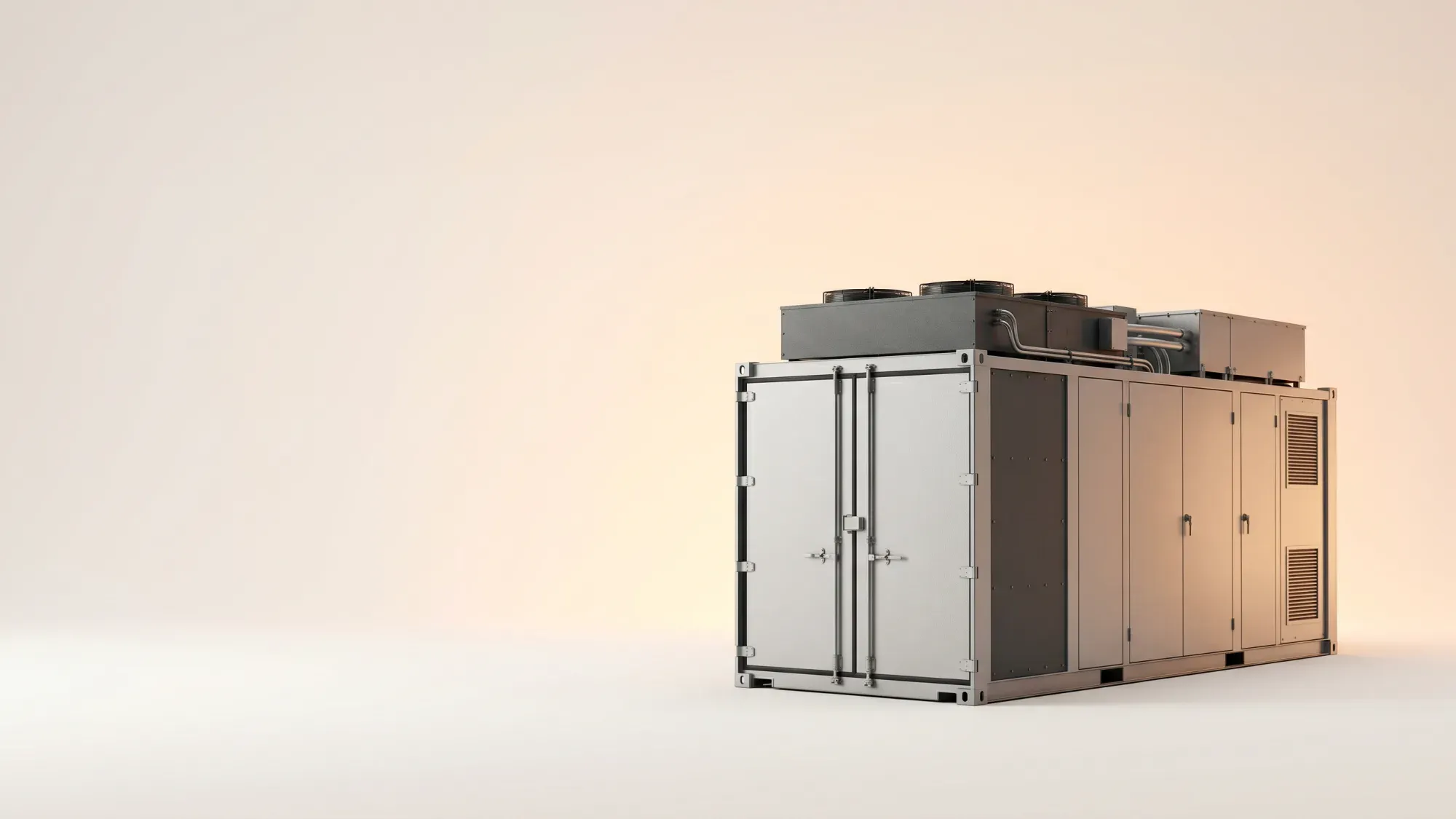
The UK's energy grid is undergoing a significant transformation, with new large-scale battery storage projects rapidly expanding its capacity. Field and Pulse Clean Energy are collectively adding over 1.3GWh of new battery storage capacity across their UK projects1, marking a crucial step towards a more resilient and decarbonised National Grid. This expansion addresses the evolving demands of modern energy systems and aligns with a future where energy is abundant.
Significant developments in UK battery storage
The latest announcements highlight substantial progress in the development of large-scale Battery Energy Storage Systems (BESS) across the UK. These projects are vital for enhancing grid stability and integrating intermittent renewable energy sources.
Field's expanding portfolio
Field, a key developer in the UK battery storage sector, has achieved financial close on two significant projects, contributing 1GWh to its portfolio:
- Keith facility, Scotland: This 39MW/200MWh battery storage facility is scheduled to begin operations in 2027. Sungrow will supply the batteries, with financing secured from ING Group and Rabobank.
- Hartmoor project, northeast England: A larger 200MW/800MWh facility, Hartmoor is expected to energise in 2028. Envision Energy is providing the batteries, and financing has been secured from ABN AMRO and Rabobank.
"Keith and Hartmoor take us to four large-scale battery projects in construction, on top of our growing operational fleet." — Amit Gudka, CEO of Field
Field CEO Amit Gudka emphasised the company's accelerating pipeline, noting that these projects demonstrate Field's capability to construct and operate multiple complex storage projects simultaneously across different markets.
Pulse clean energy's strategic contributions
Pulse Clean Energy is also making significant strides, with its 129MW/310MWh Wolverhampton project.
- Wolverhampton project: Pulse Clean Energy selected Envision Energy to supply its 129MW/310MWh project in Wolverhampton. This facility was "reconfigured to provide 2.4 hours of storage duration" to meet evolving grid requirements, demonstrating adaptability to market needs.
- Penn BESS partnership: Pulse has partnered with Statkraft for a long-term route-to-market agreement for its 128MW Penn BESS, optimising its operation across various electricity markets.
Aazzum Yassir, Director of Technology and Operations at Pulse Clean Energy, highlighted that "The UK’s energy landscape is evolving rapidly, and battery storage plays a critical role in modern energy systems".
Adapting to evolving grid requirements
The reconfiguration of projects, such as Pulse Clean Energy's Wolverhampton facility, to provide longer storage durations reflects the grid's increasing need for sustained energy supply. As the proportion of renewable energy grows, the ability to store and dispatch electricity over several hours becomes crucial for managing supply fluctuations and ensuring a reliable power flow. This strategic adaptation by developers ensures that new projects are designed to meet future demands for grid flexibility and resilience.
The drive for longer duration storage
Initially, many BESS focused on shorter durations, primarily for frequency response services. However, the increasing penetration of intermittent renewables necessitates longer-duration storage to bridge gaps in generation that can last for several hours. This shift ensures that stored energy can be released when renewable output is low, providing continuous power to the grid.
Enhancing grid flexibility and resilience
Longer-duration storage solutions enhance the grid's ability to absorb excess renewable energy and release it during peak demand or periods of low generation. This flexibility is vital for preventing curtailment of renewable energy, reducing reliance on fossil fuel "peaker" plants, and ultimately making the grid more resilient to unexpected events and supply-demand imbalances.
The strategic role of large-scale BESS
The rapid advancement of large-scale battery storage projects is fundamental to the UK's energy future. These systems provide essential grid services, including frequency regulation, voltage support, and peak shaving, which are critical for maintaining grid stability as more intermittent renewables come online.
Supporting renewable energy integration
Large-scale BESS facilities are crucial enablers for integrating more renewable energy into the National Grid. By storing surplus energy generated during periods of high wind or solar output, and then releasing it when demand is high or generation is low, they smooth out the variability inherent in renewables. This capability maximises the utilisation of clean energy sources and reduces the need for conventional power plants.
Economic benefits and decarbonisation goals
Beyond technical benefits, large-scale battery storage unlocks greater economic efficiency by allowing renewable energy to be stored when it is abundant and cheap, then released when demand is high. This reduces reliance on expensive fossil fuel generation and helps stabilise electricity prices. This investment in robust energy infrastructure is a key enabler for achieving net-zero targets and fostering an energy system where supply is abundant and reliable.
Financing and partnerships driving growth
The development of these significant battery storage projects relies heavily on substantial investment and strategic collaborations. Financial institutions are playing a pivotal role in funding the UK's energy transition.
Key financial institutions and technology suppliers
The financial close on Field's Keith and Hartmoor projects involved major European banks, including ING Group, Rabobank, and ABN AMRO. These institutions provide the capital necessary for the construction and deployment of these large-scale facilities. On the technology front, suppliers like Sungrow and Envision Energy are providing the advanced battery systems that form the core of these projects. Their expertise is critical for delivering efficient and reliable storage solutions.
Route-to-market agreements
Strategic partnerships, such as Pulse Clean Energy's long-term route-to-market agreement with Statkraft for its Penn BESS, are essential for optimising project revenue and grid services. These agreements ensure that battery assets are efficiently traded across electricity markets, maximising their value and contribution to grid stability.
The advancements by Field and Pulse Clean Energy underscore the critical role of large-scale battery storage in the UK's energy transition. As the grid evolves, these projects will be instrumental in ensuring a stable, flexible, and sustainable power supply.
References
Disclaimer
For the avoidance of doubt, this article is provided for informational purposes only and is not intended to constitute legal or financial advice. The author and/or Fuse Energy shall not be responsible for any losses arising out of any reliance on the information contained herein.