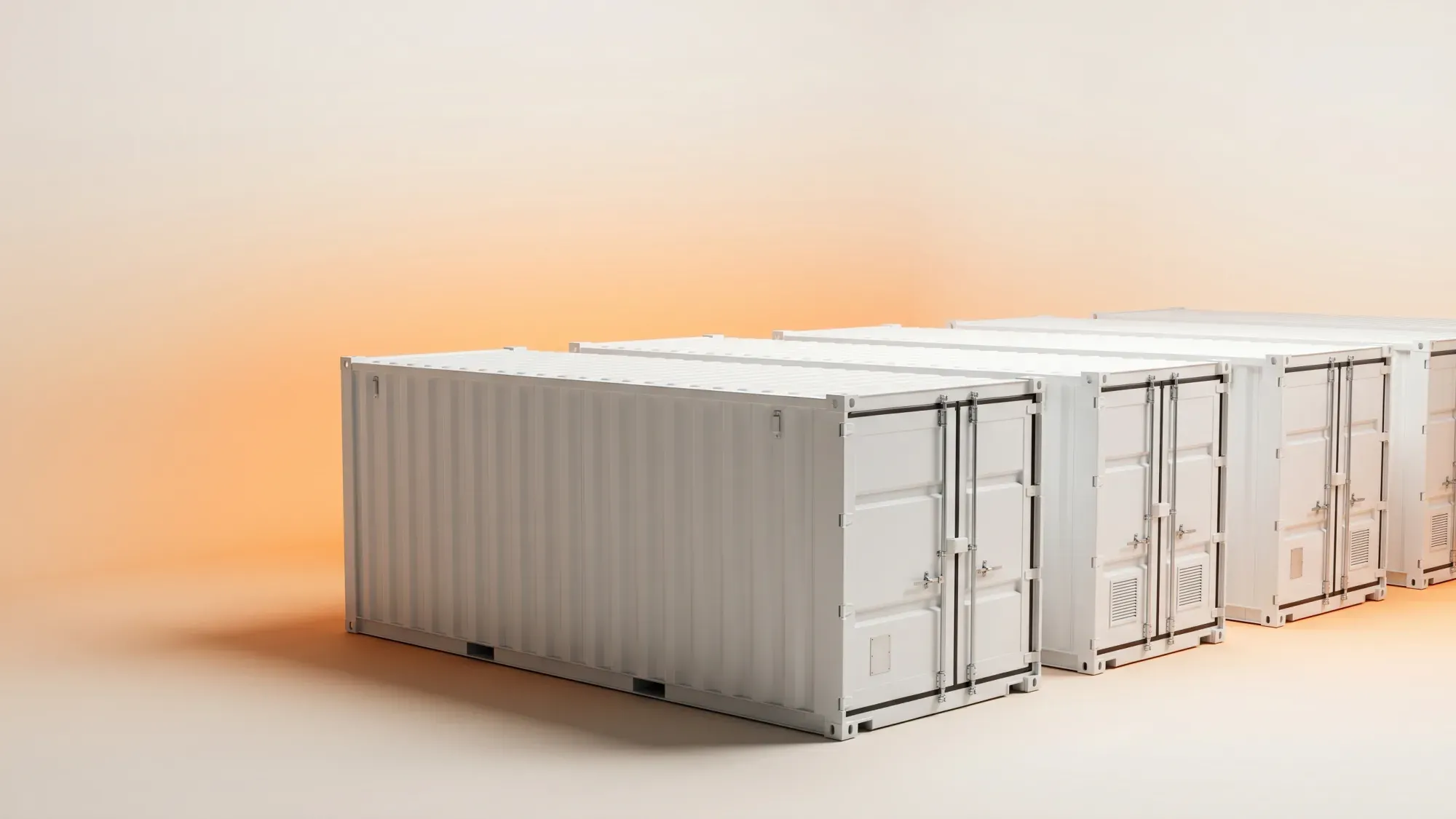
Many in the energy sector are asking how Britain will meet its growing electricity demands while transitioning to a clean energy future. The answer, increasingly, lies in battery storage. The UK's installed battery energy storage system (BESS) capacity has, for the first time, surpassed its nuclear generating capacity1, marking a significant milestone in the nation's energy evolution. This rapid expansion is not just about balancing the grid; it's about enabling a future where energy is abundant, clean, and readily available for human progress.
Surpassing nuclear: a historic milestone
Britain's energy landscape is undergoing a profound transformation. Recent analysis from Drax Electric Insights, produced by Imperial College London, reveals that the installed capacity of battery energy storage systems (BESS) now exceeds the UK's nuclear generating capacity. This achievement underscores the pivotal role battery storage is playing in supporting Britain's electricity system. While nuclear power provides steady, baseload generation, batteries offer crucial flexibility, responding to grid needs within seconds.
Rapid growth: from megawatts to gigawatts
The growth of UK battery storage has been nothing short of phenomenal. In less than a decade, installed battery capacity has surged from a mere 10 MW to nearly 7 GW. This makes battery storage one of the fastest-growing components of Britain’s electricity system. This rapid scaling is a testament to the technology's maturity and its increasing economic viability.
The technology behind the surge: bess explained
Battery energy storage systems, or BESS, are essentially large-scale rechargeable batteries designed to store electricity and release it when needed. They utilise similar core technology to mobile phones and electric vehicles, but on a much larger scale. These systems are crucial for managing the intermittent nature of renewable energy sources like wind and solar, absorbing excess electricity during periods of high generation and discharging it during peak demand or when renewable output is low.
Balancing supply and demand for grid stability
The primary function of battery storage in the UK grid is to balance the fluctuating supply of electricity from renewable sources with consumer demand. As more wind and solar power come online, the grid requires flexible assets that can quickly respond to changes. Batteries provide this agility, helping to manage network constraints and maintain grid stability. This rapid response prevents blackouts and ensures a consistent power supply.
Integrating renewable energy sources
The UK's commitment to decarbonisation means a growing reliance on renewable energy. However, wind and solar power are inherently variable. Battery storage acts as a vital buffer, storing surplus renewable energy that would otherwise be wasted and releasing it when the wind isn't blowing or the sun isn't shining. This integration is key to maximising the value of renewable generation and reducing reliance on fossil fuels.
Enhancing energy security and resilience
A robust battery storage infrastructure enhances the UK's energy security by reducing its dependence on imported fossil fuels and providing a resilient backup during unexpected outages. By storing domestically generated clean energy, batteries contribute to a more self-sufficient and stable energy system, protecting consumers from geopolitical shocks and price volatility.
Policy support and market mechanisms
The rapid expansion of battery storage in the UK has been significantly driven by supportive policies and market mechanisms. These frameworks incentivise investment in flexible energy infrastructure, recognising its critical role in the energy transition. The government's focus on market signals, such as the Clean Flexibility Roadmap, aims to remove barriers and improve price signals for storage technologies.
Investment in flexible energy infrastructure
Significant investment is flowing into the UK's flexible energy infrastructure. For example, a £1.3 billion investment package was announced at the G7 Summit to support UK energy storage, with contributions from international investors. This capital is crucial for developing large-scale battery storage and advanced manufacturing capabilities, accelerating deployment across the country.
Meeting new demands: AI data centres and electrification
The UK grid faces increasing electricity demand from emerging sectors, particularly artificial intelligence (AI) data centres and wider electrification. Data centres alone are consuming a growing percentage of national electricity, with some estimates placing their current usage at around 3% in the UK. This demand is projected to rise sharply, with some forecasts suggesting it could reach 10% by 2030 for data centres. Electrification of transport and heat, through electric vehicles and heat pumps, also adds to the demand for flexible and clean energy. Battery storage is essential to meet these new demands without compromising grid stability or increasing carbon emissions.
Addressing deployment pace and infrastructure needs
Despite impressive growth, challenges remain in accelerating the deployment of battery storage. Grid connection delays and supply chain bottlenecks can slow progress. The UK needs to significantly increase its current storage capacity by 2030 to meet clean power targets. This requires not only continued investment but also reforms to streamline planning and infrastructure build-out.
Overcoming market and regulatory hurdles
The battery storage market can be volatile, with revenues shifting quickly due to market regulations and price spreads. This uncertainty can impact investor confidence. Clear and consistent policy signals are vital to ensure sustained investment and growth in the sector.
Innovations driving future capacity
Innovation continues to drive the evolution of battery storage. Research into new battery chemistries, such as sodium-ion cells, and advanced operational strategies for lithium-ion batteries are enhancing performance and extending lifespan. These advancements will be crucial for developing longer-duration storage solutions and further reducing costs.
From scarcity to abundance: the Fuse vision
The rapid growth of UK battery storage capacity aligns perfectly with a vision of energy abundance. For too long, the narrative around energy has been one of scarcity and sacrifice. However, the ability to store vast amounts of clean electricity allows for a shift in perspective. It means more energy is available, not less, enabling human progress without compromise.
The role of storage in human progress
Energy is the fundamental source for human progress. By making clean energy abundant and reliable, battery storage removes a significant constraint on ambition. It supports the development of energy-intensive technologies like AI, facilitates the widespread adoption of electric vehicles, and enables the electrification of industries, all of which contribute to societal advancement and improved quality of life.
Building the energy system of tomorrow
The growth in battery storage is a foundational step towards rebuilding the energy system from scratch, as Fuse Energy aims to do. By vertically integrating and deploying utility-scale and distributed storage, Fuse is committed to delivering the abundant, clean energy the future requires. This rigorous, data-backed approach, coupled with a "never settle" value, ensures that challenges are seen as solvable engineering problems, paving the way for a future where energy is no longer a limitation.
References
- Drax. UK battery storage capacity surpasses nuclear power for the first time