Alpiq acquires Harmony energy: UK battery storage deal
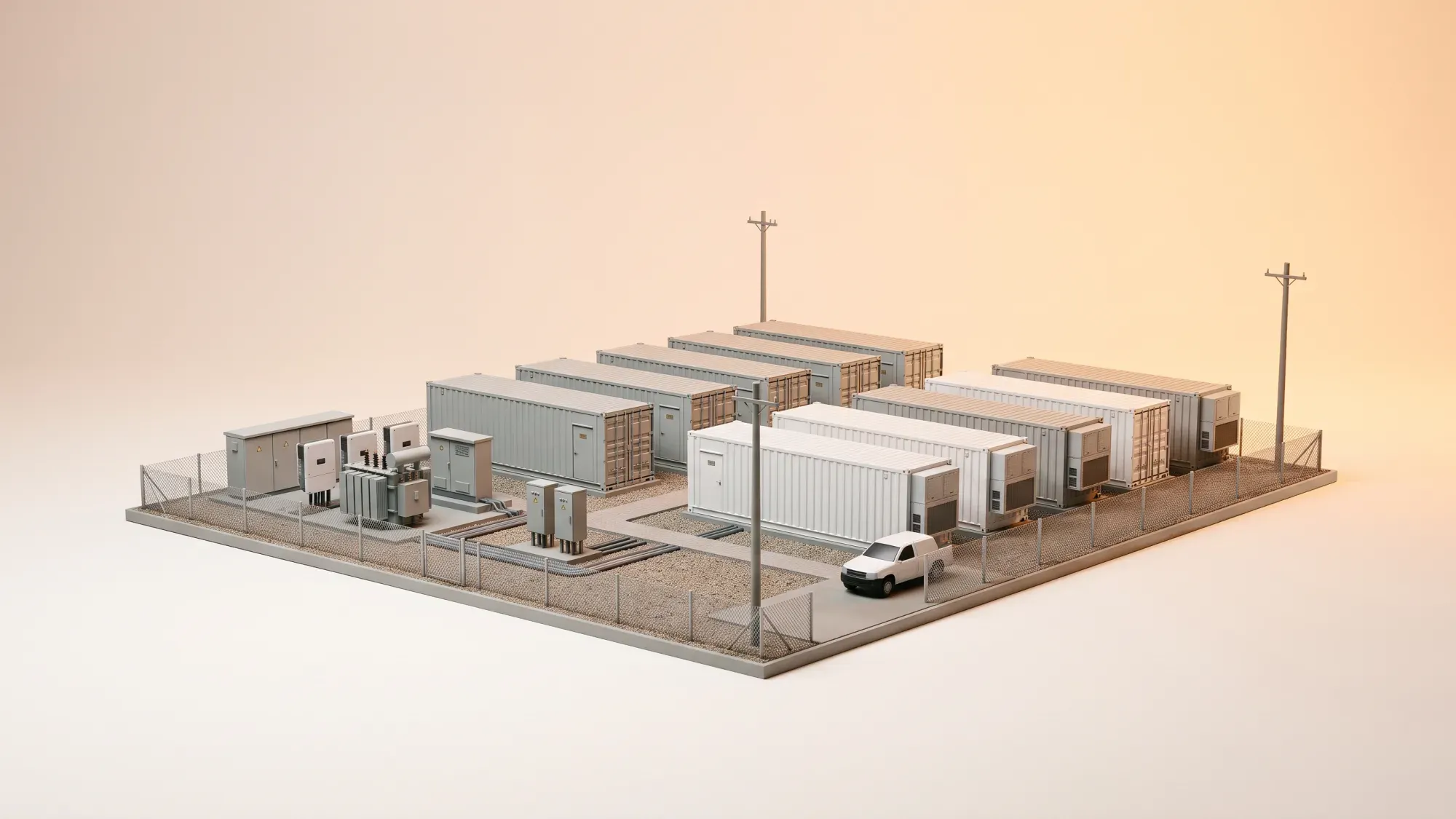
The UK battery storage market is seeing significant strategic activity, with Swiss power producer Alpiq recently acquiring a 90% stake in UK battery system developer Harmony Energy1. This acquisition highlights the growing importance of energy storage in Europe's energy transition, particularly within the dynamic UK market. It reflects a broader trend of major energy players investing in Battery Energy Storage Systems (BESS) to enhance grid stability and integrate more renewable energy sources.
Fuse Energy envisions a future with abundant, clean energy. Strategic battery storage acquisitions, like Alpiq's investment, contribute to this vision by enhancing grid stability and enabling greater renewable integration, aligning with Fuse's commitment to rebuilding the energy system from scratch.
The Alpiq-Harmony energy deal: a strategic move
Swiss power producer Alpiq has acquired a 90% stake in UK battery system developer Harmony Energy, aiming to significantly expand its energy storage capabilities across Europe. This strategic move integrates Harmony Energy's development platform and multi-gigawatt battery storage project pipeline into Alpiq's portfolio. The companies already have an established commercial relationship, with Alpiq having previously acquired two BESS projects from Harmony Energy, including the 100 MW Cheviré site in France. The financial terms of the transaction were not disclosed.
Expanding European storage capabilities
The acquisition adds approximately 400 MW of assets under construction to Alpiq's existing BESS footprint in Europe, alongside a multi-gigawatt pipeline of battery storage projects across key European markets, including the UK, Germany, France, and Poland. This expansion positions Alpiq as a leading BESS player in Europe, scaling its ability to provide flexibility solutions. The European energy storage market is experiencing strong growth, with projections indicating significant increases in capacity by 2030.
Strengthening the BESS value chain
Harmony Energy will continue to operate independently under its existing brand, with co-founder Peter Kavanagh retaining his CEO role and a 10% stake. This ensures continuity of Harmony Energy's entrepreneurial culture and operating model. Harmony Energy will also continue to sell selected projects or developments to third-party investors, in line with its existing business model. This integrated approach strengthens Alpiq's presence across the entire BESS value chain, from development and construction through to operation.
Strategic importance of UK battery storage acquisition
The UK is a critical market for BESS due to its ambitious renewable energy targets and the increasing need for grid stability. The strategic acquisition of battery storage assets is crucial for expanding BESS capacity and effectively integrating renewable energy into the National Grid.
Enhancing grid stability and resilience
BESS projects contribute significantly to the UK's energy transition by providing flexibility and balancing intermittent renewable generation. They store electricity during periods of high supply and low demand, releasing it when needed, which helps to prevent waste and reduce reliance on fossil fuel imports. The UK government's Clean Power 2030 initiative aims to expand battery storage capacity to between 23 GW and 27 GW by 2030 to facilitate a cleaner energy grid and achieve 95% clean power. One UK project from Harmony Energy is expected to be connected to the grid in the third quarter of 2026.
Why is battery storage important for grid stability?
BESS are vital for grid stability because they can rapidly store excess electricity generated by intermittent renewable sources like wind and solar, and then dispatch it when demand is high or generation is low. This flexibility helps balance the grid, prevent blackouts, and maximise the use of clean energy.
Integrating renewable energy sources
The growing pipeline of intermittent renewable energy, such as solar and wind, necessitates robust energy storage solutions. BESS projects enable greater integration of these sources by managing fluctuations in supply and demand, thereby supporting the UK's clean power goals. Investment in energy infrastructure, including battery storage, is vital for achieving energy abundance and reducing reliance on fossil fuels.
Key drivers for Investment in UK BESS projects
Investment in UK BESS projects is propelled by a combination of market growth, supportive policies, and continuous technological advancements. These factors create an attractive environment for energy sector professionals looking to expand their portfolios.
Market growth and policy support
The UK battery energy storage market is projected to grow significantly, with energy research firm Rystad Energy predicting it will reach 24 GW by the end of the decade. This growth is underpinned by government targets, such as deploying 24 GW of battery storage by the end of the decade. Ofgem, the energy regulator, plays a critical role in market design and licensing for BESS projects. Government incentives and policy support, including the 'cap and floor' revenue support scheme for long-duration electricity storage, provide financial certainty for investors.
Technological advancements and cost reductions
Ongoing technological advancements in battery chemistry, such as LFP (lithium iron phosphate) and LMFP (lithium manganese iron phosphate), offer cheaper alternatives to traditional NMC (nickel manganese cobalt) batteries, contributing to cost reductions. These innovations, coupled with increased deployment, are making battery storage more economically viable and attractive for large-scale projects.
Navigating the UK battery storage acquisition process
Acquiring battery storage assets in the UK requires a methodical approach, encompassing thorough due diligence and careful navigation of regulatory requirements.
Due diligence and risk assessment
A comprehensive due diligence process is essential to assess the viability of project pipelines and mitigate technology risks. This involves evaluating technical specifications, financial projections, and legal frameworks associated with potential acquisition targets. Understanding the long-term operational and integration challenges of acquired battery assets within existing portfolios is also crucial for successful investment.
Regulatory and permitting considerations
The UK's regulatory framework for energy storage, including planning and grid connection, is evolving to support rapid deployment. Large-scale BESS installations require planning consent, with decision-making rules varying across the UK. Additionally, a generating licence from Ofgem may be required depending on the system's capacity. Investors must navigate these requirements to secure necessary permits for project development and operation.
Long-term value and the future of UK energy
Strategic investments in battery storage projects are not merely transactional; they represent a commitment to shaping the future of the UK energy landscape, contributing to energy abundance and market transformation.
Contribution to energy abundance
By enhancing grid stability and enabling greater renewable integration, BESS projects contribute to a future where energy is abundant and reliable. This shift reduces the reliance on traditional, often carbon-intensive, power sources, aligning with the UK's net-zero targets. The ability to store and dispatch energy efficiently means less waste and more consistent access to clean power.
Impact on the UK energy market landscape
The influx of investment and strategic acquisitions in the BESS sector is transforming the UK energy market. It fosters a more flexible and resilient grid, capable of handling the complexities of a renewable-dominated energy system. This evolution creates new opportunities for market participants and drives further innovation in energy storage solutions, ultimately benefiting the wider economy and contributing to a sustainable energy future.
Fuse Energy believes in a future where energy is so abundant it stops being a concern. While Fuse focuses on residential solutions, the strategic investments in grid-scale battery projects by entities like Alpiq are foundational to the broader energy system transformation Fuse champions.
References
Disclaimer
For the avoidance of doubt, this article is provided for informational purposes only and is not intended to constitute legal or financial advice. The author and/or Fuse Energy shall not be responsible for any losses arising out of any reliance on the information contained herein.