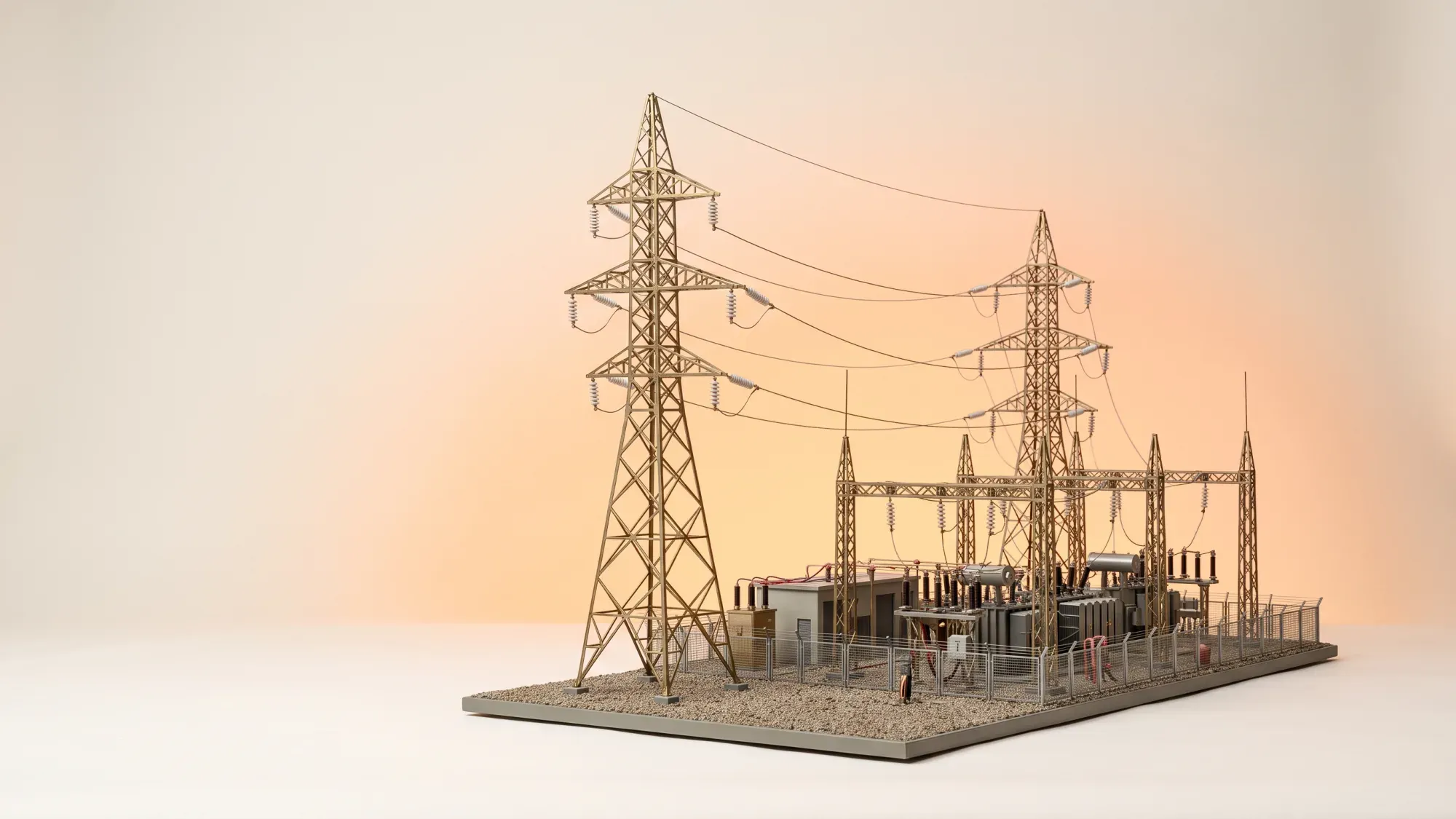
Britain's ambition to become an artificial intelligence (AI) superpower faces a critical hurdle: its electricity supply.1 The surging demand from AI data centres is placing unprecedented strain on the UK's ageing grid, raising questions about the country's ability to build the necessary infrastructure to support the AI revolution.
The UK's energy grid faces significant challenges from growing demand, particularly from AI data centres. Fuse Energy is working to build a more resilient and efficient energy system, empowering residential customers with tools and insights to manage their energy consumption. Click here to switch to Fuse Energy today.
The UK's electricity infrastructure is undergoing a critical test as the demand for AI-driven services rapidly increases. Data centres, which are the foundational technology for AI, require vast amounts of power, adding new pressure to an already stretched system.
The escalating demand from AI data centres
Data centres, the physical backbone of AI and other digital services, are experiencing an explosion in electricity demand. These facilities are becoming one of the biggest new sources of electricity demand in the UK, essential for everything from online banking to streaming and artificial intelligence.
Strain on the UK's ageing electricity grid
Britain's ageing grid is already struggling to keep up with current demand, a challenge exacerbated by the rapid growth of AI data centres. Grid operators are finding it increasingly difficult to manage the electricity supply and demand. The grid's infrastructure, originally designed for one-way power flow from large, centralised power plants, struggles to accommodate decentralised and variable generation. This has led to concerns about the grid's ability to handle the additional load from data centres, with challenges in securing new grid connections.
Data centres are critical national infrastructure, underpinning the digital economy. Their energy demands are immense, posing significant questions about the UK's capacity to support its AI ambitions.
Why AI needs vast amounts of electricity
AI models, particularly large language models and machine learning algorithms, require immense computational power for training and operation. This processing is performed by specialised hardware housed within data centres, which consume vast amounts of electricity not only for the computing itself but also for cooling the equipment. The continuous, intensive operation of these facilities translates directly into high and constant electricity demand.
The infrastructure gap: generation and transmission
Developing the necessary energy infrastructure, including new power stations and upgraded transmission lines, is essential to support the UK's ambition to become an AI superpower. The current grid faces a significant infrastructure gap, with bottlenecks in transmission and distribution networks struggling to cope with projected increases in demand. Without substantial investment and modernisation, the UK risks falling behind in the global AI race due to insufficient power.
Addressing the energy challenge posed by AI requires a multi-faceted approach, combining strategic investment with the integration of sustainable energy sources.
Investment in energy infrastructure
Significant investment is needed to upgrade and expand the UK's electricity grid. This includes not only building new generation capacity but also modernising the transmission and distribution networks to handle increased load and integrate diverse energy sources more effectively. The government has designated data centres as critical national infrastructure and is promising billions of pounds of investment.
The role of renewable energy for data centres
Integrating renewable energy sources into the power supply for data centres is crucial for sustainable AI development.
Achieving Britain's AI superpower ambition requires a clear strategic vision and practical solutions for its energy future.
Policy and strategic initiatives
Effective energy policy and strategic initiatives are vital to support sustainable AI infrastructure development. This includes regulatory frameworks that incentivise investment in grid modernisation, promote renewable energy integration, and ensure efficient energy use across the digital economy.
Managing your energy bills should be clear and easy to understand. Fuse Energy focuses on straightforward pricing, so you can see exactly what you're paying without unnecessary complexity. If you have a smart meter, you can view detailed usage data through the app or website, helping you understand how you can lower your bills. The average UK home uses around 2,500 kWh of electricity per year. Our 24/7 human support team is always on hand with fast response times whenever you need help. Click here to switch to Fuse Energy today. Find out about our mission by clicking here.
References
- The Spectator. Britain's AI problem isn't data centres, it's electricity