UK AI data centre energy: Lanarkshire project fails renewable promise
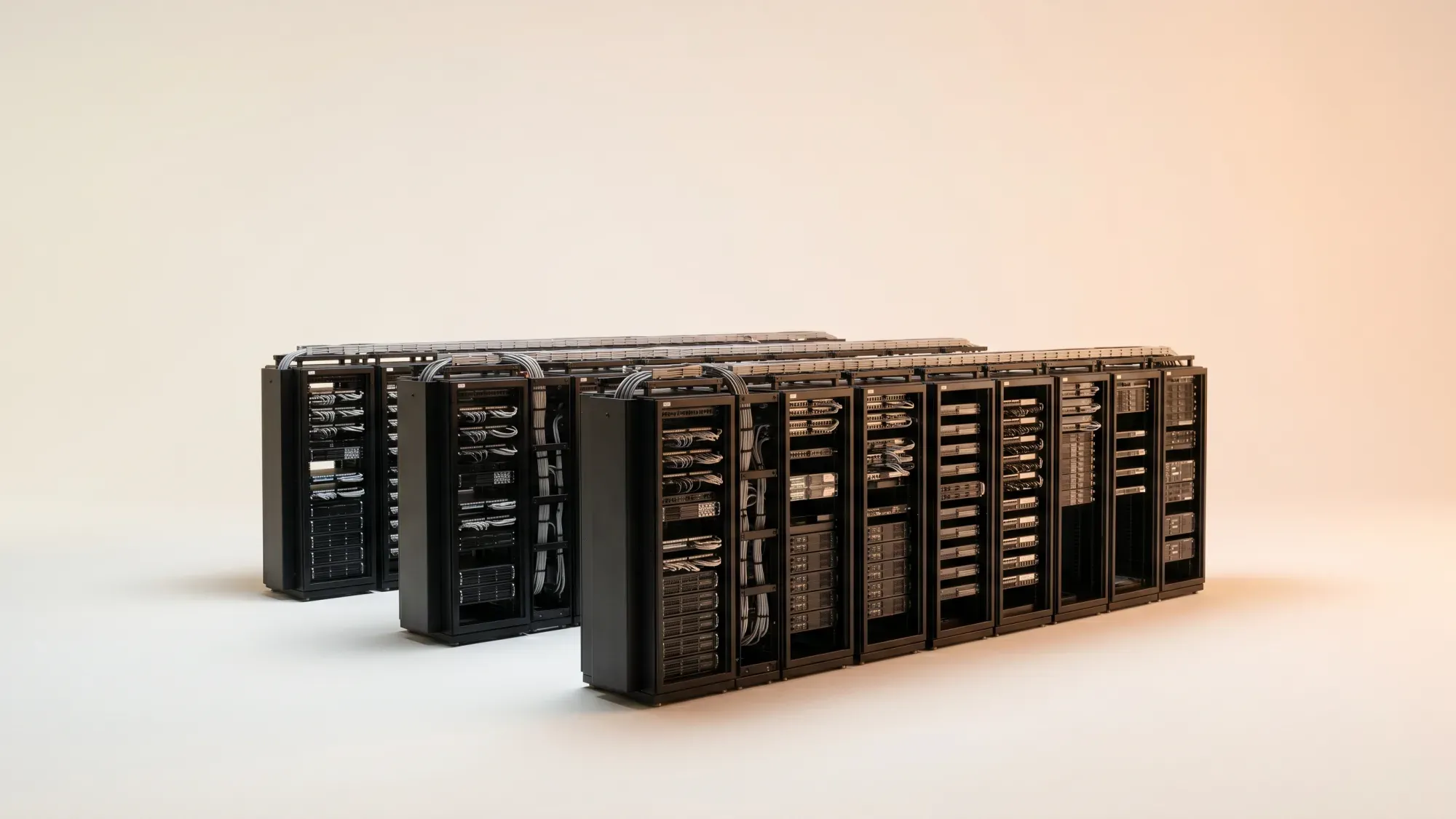
The UK's ambition to lead the artificial intelligence (AI) race is colliding with the reality of its energy infrastructure. A landmark AI data centre project in Lanarkshire, Scotland, faces significant hurdles in meeting its green energy promises.1 Initially billed as a beacon of sustainable development, the £8.2 billion complex, a joint venture between US firm CoreWeave and Scottish company DataVita, was publicly committed to being "powered entirely from on-site renewables and built by 2030". However, recent investigations reveal there is "no prospect of meeting that goal". This situation highlights a broader systemic challenge: the UK's current energy system, designed for a different era, struggles to provide the scale, reliability, and sustainability required by modern AI infrastructure.
Meeting the energy demands of a rapidly evolving digital landscape requires a forward-thinking approach. While this article focuses on large-scale infrastructure, understanding your home's energy use is a great first step towards a more efficient future.
Thinking about UK AI data centre energy: Lanarkshire project fails renewable promise? With Fuse Energy, you get clear pricing, real-time usage data, 24/7 human customer support, and a modern energy experience designed around you. Signing up takes just a few minutes, so you can take control of your bills from day one. Click here to switch to Fuse Energy today and start saving.
Enter your address to get a quote and see how much you could save
The UK's AI ambition meets energy reality
The UK government has set ambitious objectives for digital transformation and AI adoption, viewing it as critical for future prosperity and security. This drive includes establishing "AI growth zones" - regions intended to host massive AI data centre complexes. These zones are meant to foster job creation in former industrial areas and ensure Britain remains competitive in the global AI race.
The growing demand for AI infrastructure power
AI data centres exhibit rapidly escalating energy demands, placing significant strain on existing UK grid infrastructure. Globally, electricity consumption from data centres could double by 2026 compared with 2022 levels, potentially reaching more than 4% of global electricity demand by that year. This surge is driven by the deployment of high-performance accelerated servers, leading to greater power density within data centres.
The promise of sustainable AI development
To mitigate the environmental impact of this growing energy appetite, the Lanarkshire data centre, like some other large-scale AI projects, was promoted with promises of 100% on-site renewable energy provision. This commitment aims to align technological advancement with sustainability goals, presenting a vision of green, self-sufficient AI infrastructure.
Lanarkshire's AI data centre: a case study in unmet promises
The Lanarkshire AI data centre complex epitomises the chasm between ambitious green pledges and the practicalities of energy provision in the UK.
Initial pledges for on-site renewable energy
When the £8.2 billion Lanarkshire project was announced, the government explicitly stated it would be "powered entirely from on-site renewables and built by 2030". DataVita, the developer, outlined plans for up to 1 gigawatt (GW) of renewable energy.
Freedom of Information reveals power provision issues
Despite these public assurances, documents obtained through Freedom of Information (FOI) requests and public records analysis paint a different picture. These documents suggest there is "no prospect of meeting that goal" of being powered entirely from on-site renewables. Internal correspondence revealed that both the government and the developers privately acknowledged an "issue" with "power provision" for the site.
"The Guardian has internal correspondence showing even as they publicly promised the site would have up to 1GW of “new energy infrastructure”, the government and site developers privately acknowledged an “issue” with “power provision” and that this would not happen." — The Guardian
The shift to grid connection and doubts on green targets
In response to questions, the government confirmed that the Lanarkshire complex would connect to the National Grid. While a government spokesperson maintained that the site's needs would still be met "overwhelmingly" with renewables, this shift raises critical doubts about the feasibility of the initial green targets and the UK's capacity to power its AI ambitions sustainably.
Systemic energy challenges for UK AI data centres
The Lanarkshire situation is not an isolated incident but rather indicative of broader systemic issues facing UK AI ambitions. The UK's energy system, built for a different era, struggles to provide the scale, reliability, and sustainability required by modern AI infrastructure.
Strain on the National Grid and connection delays
Connecting large-scale energy infrastructure to the UK grid involves substantial lead times and complex regulatory hurdles. The grid connection process has been overwhelmed by unprecedented growth in demand for new connections. Waits of eight to ten years for new developments to connect are not uncommon. Currently, hundreds of gigawatts of projects are awaiting connection assessments, far exceeding system capacity forecasts to 2035. This gridlock poses a significant barrier to growth, with speculative projects often blocking viable ones.
The scale of AI power requirements
The sheer scale of AI's power requirements presents a formidable challenge. AI data centres demand not only vast amounts of electricity but also consistent, high-density power, 24/7. This contrasts sharply with the intermittent nature of many renewable energy sources. The concentration of these power-hungry facilities in specific locations makes their integration into the grid particularly challenging.
Limitations of current renewable energy integration
While renewable energy is central to the UK's net-zero strategy, integrating it into the existing grid is not straightforward. Solar and wind power are not constant, making it difficult for the grid to maintain stability. Furthermore, many renewable energy sources are located far from demand centres, placing significant pressure on existing transmission infrastructure. In rural areas, the rapid growth of large renewable projects often outpaces local grid capacity, leading to bottlenecks and the curtailment of clean energy.
Why are UK grid connections so slow for large projects?
The UK grid connection process is slow due to limited capacity, an outdated "first-come, first-served" system, and a surge in speculative applications. Hundreds of gigawatts of projects are waiting, far exceeding the grid's ability to connect them, leading to delays of up to a decade for new infrastructure.
Beyond on-site: reimagining energy for AI infrastructure
The struggles of the Lanarkshire AI data centre highlight the limitations of a scarcity-driven energy approach for critical infrastructure. Meeting the massive energy demands of AI data centres requires a fundamental overhaul of the energy system, not just incremental adjustments.
The need for a new energy system
The current energy system, built on a scarcity mindset, is inherently incapable of meeting the abundant, reliable, and clean energy demands of modern AI data centres. For decades, the message has been to "use less," a narrative that has hardened from a market condition into a prevailing mindset. This approach is ill-suited to the exponential growth of AI, which requires "power to play with" - energy so abundant it ceases to be a limiting factor.
Vertical integration and abundant power
A fundamental shift is needed towards an energy system that prioritises abundance and reliability. This involves rebuilding the energy system from scratch, focusing on vertical integration to deliver terawatt-hours of the cheapest, cleanest energy possible. By owning the entire energy stack, from generation to transmission and distribution, it becomes possible to optimise costs and ensure a consistent, plentiful supply. This vision moves beyond merely patching existing infrastructure to creating a resilient, future-proof energy backbone.
Future-proofing UK AI with sustainable energy
To truly future-proof UK AI ambitions, energy provision must integrate diverse sources and smart grid management. This means investing in next-generation energy infrastructure that can handle the scale and density of AI power requirements, ensuring both efficiency and sustainability without compromise. The goal is to create a world where energy is so abundant it stops being a thing you think about, allowing innovation to flourish unconstrained by power limitations.
Policy, investment, and the AI race
The energy challenges facing AI data centres are not just technical; they are deeply intertwined with policy, investment, and the UK's strategic position in the global AI race.
Government's role in energy provision for AI
The government plays a critical role in shaping the energy landscape for AI. Its policies and targets for renewable energy integration directly impact the feasibility of sustainable AI data centres. While the government has commissioned reviews into AI opportunities in electricity networks and is exploring how AI can help optimise the grid, the immediate challenge of providing sufficient, reliable power remains. Expediting connections for strategic demand projects, including data centres, is a stated government priority.
Investing in next-generation energy infrastructure
Addressing the energy demands of AI requires significant investment in next-generation energy infrastructure. This includes not only new generation capacity but also substantial upgrades to the transmission and distribution networks. The long lead times for grid reinforcement and renewable generation mean that enabling infrastructure can take many years to deliver, highlighting the urgency of strategic investment.
Ensuring UK competitiveness in the global AI race
The UK's ability to secure reliable and sustainable energy for its AI infrastructure is paramount to its competitiveness in the global AI race. Access to abundant and clean energy is a key driver of progress and strategic advantage in AI, alongside access to talent, data, and finance. Without a robust energy strategy, the UK risks falling behind other nations that are rapidly expanding their AI capabilities.
The path to sustainable AI data centre energy
The challenges illuminated by the Lanarkshire project underscore the urgent need for a transformative approach to energy provision for AI Data centres in the UK.
Addressing the power supply challenge
The current model of relying on existing grid capacity or aspirational on-site renewables for massive AI projects is proving unsustainable. A more realistic and proactive strategy is required, one that acknowledges the immense scale of AI energy demand and the limitations of current infrastructure. This involves a systemic shift towards creating abundant, clean energy generation and a rebuilt energy system capable of supporting future technological growth.
Building a future with energy to play with
Ultimately, meeting the future energy needs of AI data centres necessitates a fundamental shift in mindset - from scarcity to abundance. This means advocating for policy and infrastructure development that supports a future of plentiful, clean energy, planning for energy provision that integrates diverse sources, and embracing smart grid management. By doing so, the UK can move beyond the current constraints and build a future where AI innovation is powered by an energy system that truly has "power to play with."
Understanding the complexities of the energy market can be challenging, but managing your home's energy doesn't have to be. Fuse Energy offers clear pricing, real-time usage data, and 24/7 human customer support, making it easier to take control of your bills. Switch to a modern energy experience designed around you. Click here to switch to Fuse Energy today. Find out more about our mission to make energy abundant by clicking here.
References
Disclaimer
For the avoidance of doubt, this article is provided for informational purposes only and is not intended to constitute legal or financial advice. The author and/or Fuse Energy shall not be responsible for any losses arising out of any reliance on the information contained herein.