AI data centres: UK grid faces 73 GW strain
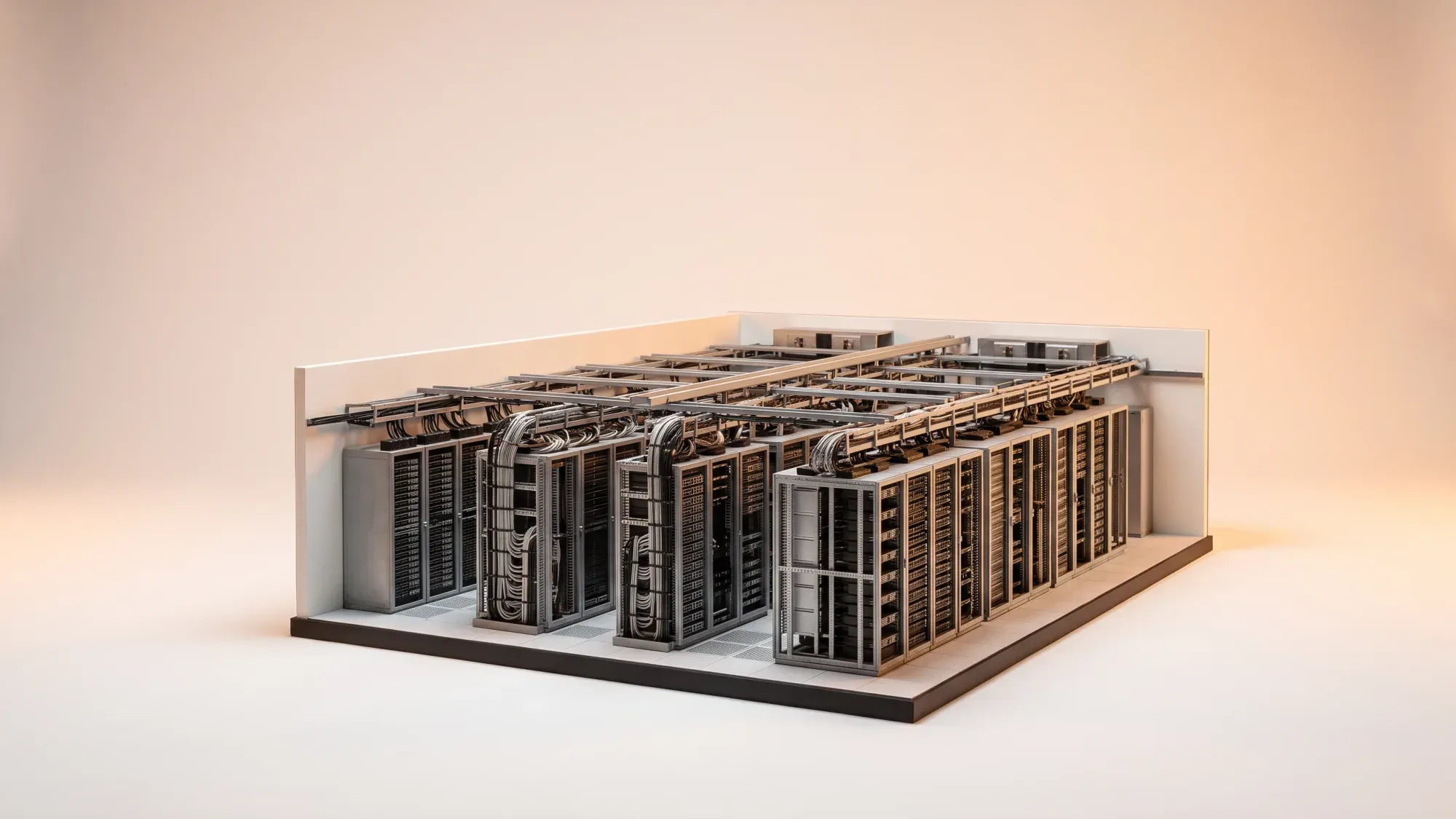
The UK's ambition to become an "AI superpower" is facing scrutiny due to the significant environmental impact of rapidly expanding AI data centres. These facilities, which the Labour government has designated as "critical national infrastructure" (CNI), are projected to require 6 gigawatts (GW) of new capacity by 2030, tripling current levels1. However, critics warn this expansion could undermine the UK's climate targets, placing immense strain on the national electricity grid and water resources.
Thinking about AI data centres? With Fuse Energy, you get clear pricing, real-time usage data, 24/7 human customer support, and a modern energy experience designed around you. Signing up takes just a few minutes, so you can take control of your bills from day one. Click here to switch to Fuse Energy today and start saving.
Enter your address to get a quote and see how much you could save
The UK's AI ambition and data centre growth
The drive to position the UK at the forefront of artificial intelligence has spurred an unprecedented boom in data centre development. This push is seen as vital for economic growth and technological advancement, yet its environmental implications are becoming increasingly clear.
Critical national infrastructure and rapid expansion
The Labour government has designated data centres as Critical National Infrastructure (CNI). This classification places them alongside essential services like energy and water, aiming to accelerate the build-out of capacity to support AI and other digital technologies. This policy intensifies scrutiny on the environmental footprint of these developments.
Projected energy demand by 2030
The UK government forecasts a need for at least 6 GW of AI-capable data centre capacity by 2030. This represents a threefold increase from the approximately 1.8 GW currently in operation. This projected demand signifies a massive increase in electricity consumption.
The environmental footprint: energy, water, and carbon
The environmental impact of hyperscale AI data centres extends across vast energy consumption, significant water usage for cooling, and substantial carbon emissions, often exacerbated by reliance on fossil fuels.
Massive energy consumption and grid overload warnings
Data centres are inherently energy-intensive, powering vast arrays of servers and essential cooling equipment. The sheer scale of proposed developments is already causing alarm within the energy sector. Energy regulator Ofgem has reported that 315 data centre projects, with a combined capacity of 73 GW, are currently awaiting connection to the UK's electricity grid. For context, average electricity demand for the whole of the UK in 2025 was 37 GW, meaning the proposed data centres could overwhelm the grid.
Water scarcity: a growing concern for cooling
Beyond electricity, data centres require substantial amounts of water, primarily for cooling systems that prevent overheating of densely packed servers. Water UK, the trade body for water companies, has issued stark warnings that the country does not have sufficient water resources to support the proposed data centre expansion. A single hyperscale facility can consume as much water in a day as approximately 30-50,000 people.
Carbon emissions and reliance on gas power
The carbon footprint of these facilities is considerable. A proposed East Havering data centre in North Ockendon, for instance, is projected to generate over 1 million tonnes of carbon dioxide (CO2) annually. The project's own developer admitted that it "does not align with a science-based 1.5C compatible trajectory and achieving net zero by 2050". Analysis by non-profit Foxglove finds that two planned data centres - Wapseys Wood in Buckinghamshire and Quest Park in Bedfordshire - would emit a total of 4.5 million tonnes of CO2, more than US oil giant ExxonMobil's entire emissions for 2023 (3.9 million tonnes). In April, the UK government said energy use by AI data centres could emit 123 million tonnes of CO2 over the next ten years - as much as 2.7 million people. This was a a revision of earlier government numbers, which underestimated the emissions by a factor of more than 100. Analysis by climate outlet Carbon Brief suggests that data centres could produce 20 percent of the UK’s emissions by 2035, the equivalent of a third of all UK households.
Compounding this, many new data centres are planning to use gas-fired power stations to generate their own electricity, often due to lengthy delays in connecting to the National Grid. More than 100 new data centres in the UK intend to burn gas, some permanently, according to Ofgem.
Strain on national infrastructure: grid and water supply
The rapid growth of AI data centres is exposing critical vulnerabilities in the UK's existing infrastructure, particularly concerning energy and water supply.
Ofgem's warnings on grid connection capacity
The sheer volume of data centre projects seeking grid connections has prompted Ofgem to take action. The regulator has launched consultations to introduce commitment fees and project milestones, aiming to filter out speculative projects and ensure grid capacity is allocated to viable developments. This move underscores the significant strain placed on the National Grid by the burgeoning data centre sector.
Water UK's stance on resource availability
Water UK has been unequivocal in its assessment, stating that government policies have not adequately considered the rising demand for water from data centres. Data centres are largely absent from the frameworks that ration England's water, despite their potential to consume millions of litres daily. This oversight means that even during periods of drought and hosepipe bans, data centres, as CNI, can continue to draw on water supplies, while households face restrictions.
Policy, public opposition, and the "AI as solution" myth
The environmental challenges posed by AI data centres are generating significant debate, prompting calls for more robust policy and challenging the narrative that AI inherently offers climate solutions.
Government policy and environmental impact Assessments
While the government encourages data centre development, the environmental consenting landscape is still evolving. Environmental Impact Assessments (EIAs) are crucial for major infrastructure projects, providing a comprehensive overview of potential environmental effects. However, some data centre applications have been "screened out" of requiring EIAs, raising concerns among environmental groups and campaigners. There are growing calls for EIAs to be mandatory for all data centre developments, particularly given their disproportionately high impact on energy and water resources.
Growing public and political opposition
The environmental consequences of data centre expansion are not going unnoticed. There is increasing public and political opposition, with campaigners and MPs highlighting the urgent need to address these issues. Concerns range from the impact on local communities and agricultural land to the broader implications for national decarbonisation targets. Plans to build "hyperscale" data centres in Scotland have prompted large protests and political opposition. Ministers in Scotland are taking note, with new rules for data centres to submit an "environmental impact assessment" as a first step. There have been calls for a New York-style moratorium on new data centres. The decision by the new Andy Burnham team to build a data centre in Brick Lane instead of hundreds of homes has met local opposition. Labour MPs have already raised concerns about AI data centres being left out of the UK’s carbon budget.
Challenging the "AI for climate" narrative
Tech companies often promote AI as a tool to solve climate change, yet the environmental footprint of AI itself frequently undermines these claims. The reliance on gas-fired power for many new data centres directly contradicts the idea that AI development is inherently green. Critics argue that without rigorous scrutiny of AI's own energy and water demands, the narrative of AI as a climate solution risks becoming a form of greenwashing.
Strategies for sustainable AI data centre development
Addressing the environmental impact of AI data centres requires a multi-faceted approach, combining technological innovation with strong policy and regulatory frameworks.
Enhancing energy efficiency and renewable integration
Improving energy efficiency within data centre operations is a fundamental step. This includes optimising IT equipment, implementing advanced cooling technologies, and designing facilities for maximum energy performance. Crucially, integrating renewable energy sources directly into data centre power supplies is vital to reduce their carbon footprint. This could involve direct power purchase agreements with renewable generators or co-locating data centres with renewable energy projects.
Innovative cooling and water management solutions
Given the significant water demands, innovative cooling technologies and sustainable water management practices are essential. This includes exploring closed-loop cooling systems that reuse freshwater, utilising non-potable or recycled water where feasible, and developing air-cooling methods suitable for water-stressed regions. Real-time metering and reporting of water usage, alongside adaptive management plans tied to drought conditions, can help manage consumption more effectively.
Why do data centres need so much water?
Data centres generate immense heat from their powerful computers and servers. To prevent overheating and ensure optimal performance, they rely on extensive cooling systems. Many of these systems, particularly evaporative cooling towers, use large volumes of freshwater, making water a critical resource for their operation.
The role of policy and regulation in driving sustainability
Robust policy and regulatory frameworks are critical to driving sustainable data centre development. This includes mandating comprehensive Environmental Impact Assessments for all new facilities, setting strict standards for energy efficiency and water use, and ensuring that water companies are statutory consultees in the planning process. Policies that incentivise renewable energy integration and penalise reliance on fossil fuels for data centre power can also accelerate the transition to more sustainable operations.
Building an abundant energy future for digital infrastructure
The challenges posed by AI data centres highlight a fundamental issue: the UK's current energy system is ill-equipped to handle the projected demands of energy-intensive industries without undermining climate targets. A paradigm shift is needed, moving beyond a scarcity mindset to one of energy abundance.
Moving beyond scarcity: a systemic approach
The narrative of "use less" has dominated energy discussions for decades, but it fails to address the underlying systemic issues. The strain on the grid and water resources from data centres is a symptom of an outdated energy system, not merely a problem of excessive consumption. True sustainability for technological advancement, like AI, requires a foundational change in how energy is generated and distributed. This means rebuilding the energy system from scratch, focusing on delivering abundant, cheap, and clean energy.
The vision for a resilient and clean UK grid
Fuse Energy's mission is to build a future with abundant, cheap, clean energy for the entire UK grid. This vision is not just about incremental efficiency gains; it's about creating a resilient energy system where energy is so plentiful it ceases to be a limiting factor. By vertically integrating and rebuilding the energy system, Fuse aims to deliver the terawatt-hours of clean energy necessary to support all demands, including those of AI data centres, without compromising climate goals. This approach challenges the scarcity mindset, offering a path where technological growth and environmental responsibility can coexist, powered by an energy system designed for abundance.
Take the stress out of managing your energy. With Fuse Energy, you get clear pricing, real-time usage data, 24/7 human customer support, and a modern energy experience designed around you. Signing up takes just a few minutes, so you can take control of your bills from day one. Click here to switch to Fuse Energy today and start saving.
Managing your energy bills should be clear and easy to understand. Fuse Energy focuses on straightforward pricing, so you can see exactly what you're paying without unnecessary complexity. If you have a smart meter, you can view detailed usage data through the app or website, helping you understand how you can lower your bills. If you don't have a smart meter, Fuse Energy can upgrade your non-smart meter, completely for free. This can make it easier to track spending and make informed decisions about your energy use. Our 24/7 human support team is always on hand with fast response times of under 5 minutes whenever you need help. Click here to switch to Fuse Energy today. Find out about our mission by clicking here.
Disclaimer
For the avoidance of doubt, this article is provided for informational purposes only and is not intended to constitute legal or financial advice. The author and/or Fuse Energy shall not be responsible for any losses arising out of any reliance on the information contained herein.