Ofgem proposes fees for speculative AI data centres
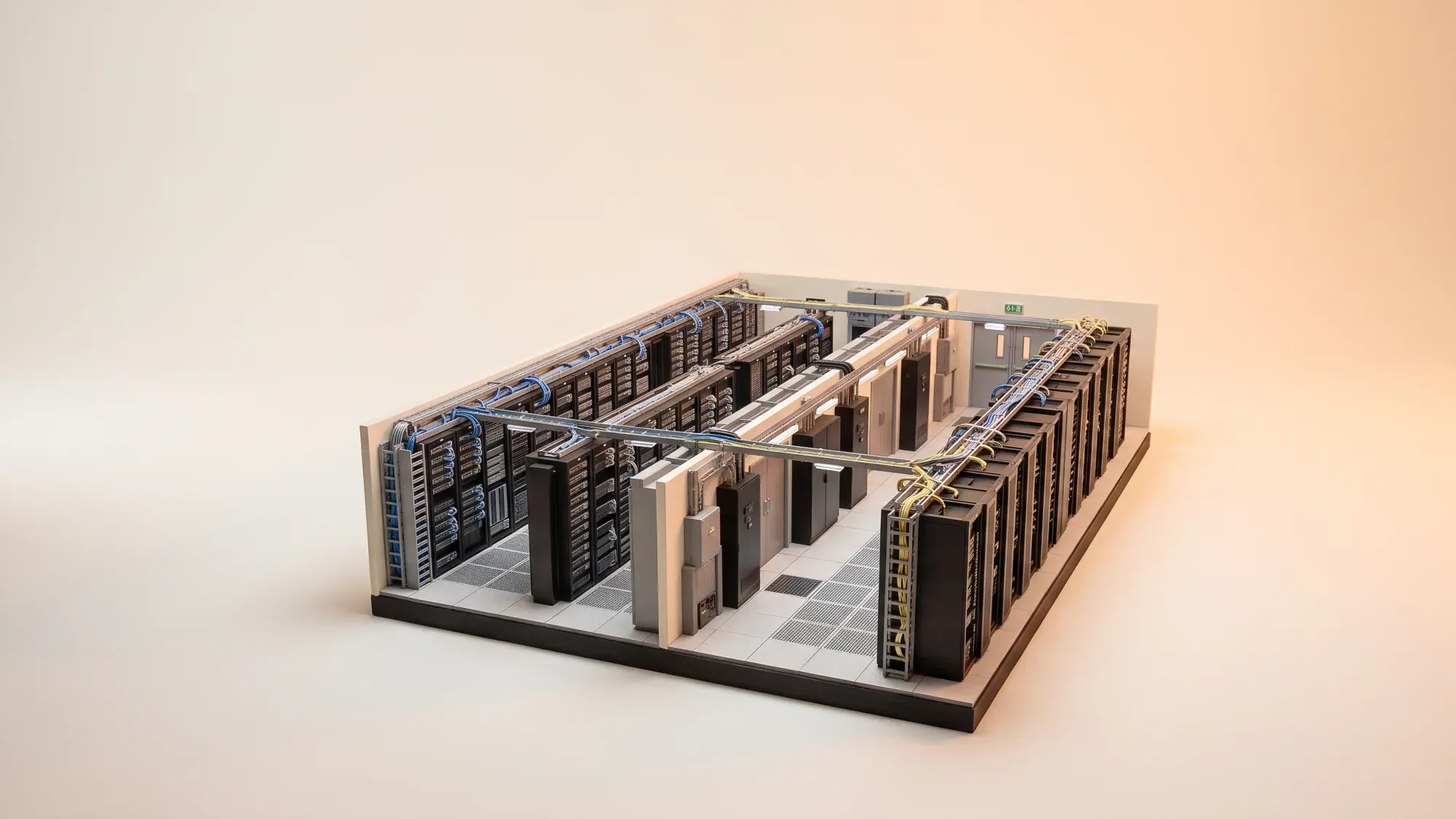
The UK's energy regulator, Ofgem, has proposed new fees and stricter rules for AI data centre developers to address the significant strain on the National Grid1. This initiative aims to curb "unviable, stalled or speculative projects" that are consuming scarce electricity capacity. The demand for grid connections from data centres has surged dramatically, with requests for capacity nearly tripling the UK's projected 2025 peak demand in less than a year. This challenge highlights the urgent need for systemic solutions to build an energy system capable of supporting growing infrastructure, a future aligned with Fuse Energy's vision for energy abundance.
The rapid growth of AI data centres is putting unprecedented strain on the UK's energy grid. Understanding these challenges is crucial for a stable energy future. Fuse Energy is committed to building a future where energy is abundant and accessible for homes across the UK. Click here to switch to Fuse Energy today.
Enter your address to get a quote and see how much you could save
The UK's AI data centre energy challenge
The rapid expansion of artificial intelligence (AI) infrastructure in the UK has brought with it an unprecedented surge in energy demand, placing considerable pressure on the National Grid. This challenge is not merely a technical hurdle but reflects a broader systemic issue within the energy landscape.
Rapid growth in demand for AI infrastructure
The proliferation of AI technologies is driving an exponential increase in the need for data centres, which are inherently energy-intensive. These facilities require vast amounts of electricity to power their servers, cooling systems, and other operational components. The UK has become a key location for data centre development, attracting significant investment in AI infrastructure.
Strain on the National Grid
The sheer scale of this growth is overwhelming existing grid capacity. Between November 2024 and June 2025, the demand for grid connections from data centres more than tripled, soaring from 41 gigawatts (GW) to an astonishing 125 GW, according to Ofgem. This 125 GW figure is nearly triple the UK's projected peak electricity demand for 2025, illustrating the immense pressure on the national power infrastructure. The current energy system, largely designed for 20th-century demands, struggles to accommodate such rapid and large-scale increases in consumption.
The broader UK energy context
This grid strain occurs against a backdrop of ongoing energy price volatility and security concerns. Average household energy bills in the UK are expected to be around £1,862 this year, almost 50% higher than in 2021. This increase is partly due to geopolitical factors, including the Ukraine conflict and sanctions on Russia, which have impacted global energy markets. The energy crunch for AI data centres is a stark reminder that the UK's energy system requires fundamental reform and investment to ensure long-term stability and affordability for all consumers, particularly households.
Ofgem's response: new regulations and fees
In response to the escalating grid capacity issues, Ofgem, the UK's energy regulator, has stepped in with a new regulatory framework. The aim is to manage the connection queue more effectively and deter projects that may not be viable in the long term.
Curbing speculative projects
Ofgem's primary objective is to prevent "unviable, stalled or speculative projects" from monopolising scarce grid capacity. These projects often enter the connection queue without firm financial backing or realistic development plans, effectively blocking legitimate, ready-to-build data centres. The new rules are designed to introduce a greater degree of commitment and accountability from developers.
Details of the refundable fees
Under the new regulations, data centre developers will face a refundable fee ranging from £237,500 to £712,500 per megawatt (MW) of requested capacity. This fee is intended to act as a financial commitment, ensuring that only serious projects progress through the connection process. While the fee is refundable upon successful connection, it will be forfeited if projects exit the queue prematurely.
What are Ofgem's new fees for data centres?
Ofgem has introduced refundable fees for AI data centre developers, ranging from £237,500 to £712,500 per megawatt of requested grid capacity. These fees are designed to deter speculative projects and ensure only viable developments proceed, with the fee forfeited if a project exits the connection queue prematurely.
Impact on grid connection queues
The introduction of these fees is expected to significantly streamline the grid connection queue. By weeding out speculative applications, Ofgem hopes to reduce the overall waiting times for genuine projects and free up capacity more efficiently. This could accelerate the development of critical AI infrastructure, provided developers can meet the new financial commitments.
Implications for data centre development in the UK
Ofgem's new regulations will have profound implications for data centre development in the UK, necessitating careful strategic planning and robust financial modelling from developers.
Financial considerations for developers
The substantial fees per megawatt will require data centre developers to allocate significant capital upfront. While refundable, the potential for forfeiture adds a layer of financial risk that must be thoroughly assessed. This could favour larger, more established developers with greater financial reserves, potentially creating barriers for smaller or newer entrants to the market. Developers will need to factor these costs into their overall project budgets and secure financing accordingly.
Planning and project viability
The stricter rules will demand a more rigorous approach to project planning and viability assessment. Developers must ensure their projects are well-researched, financially sound, and have a clear path to completion before applying for grid connections. This shift encourages a more disciplined development pipeline, reducing the likelihood of stalled projects that tie up valuable grid resources.
The need for strategic energy planning
Beyond the immediate fees, data centre operators must adopt a holistic and strategic approach to energy planning. This includes not only securing grid connections but also considering long-term energy supply, resilience, and sustainability. The current energy crunch underscores the importance of integrating energy strategy into the core of AI data centre development.
Navigating the energy crunch: strategies for AI infrastructure
Amidst the energy crunch and new regulatory hurdles, AI data centre operators must explore diverse strategies to secure reliable and affordable power.
Optimising energy efficiency in data centres
A fundamental step is to maximise energy efficiency within data centre operations. This involves investing in state-of-the-art cooling technologies, optimising server utilisation, and implementing advanced power management systems. Efficient design and operation can significantly reduce overall energy consumption, lessening the burden on the grid and lowering operational costs.
Exploring renewable energy connections and PPAs
Direct procurement of renewable energy offers a viable pathway to long-term energy security and sustainability. Data centre operators can explore direct connections to renewable energy sources or enter into Power Purchase Agreements (PPAs) with renewable energy generators. These agreements can provide price stability and a guaranteed supply of clean energy, reducing reliance on the volatile wholesale market.
Investing in on-site generation and storage
To enhance resilience and reduce grid dependency, some data centres may consider investing in on-site generation, such as solar arrays or combined heat and power (CHP) plants. Coupled with battery energy storage systems, on-site generation can provide a buffer against grid fluctuations and ensure continuous operation, even during periods of high demand or grid stress.
Rebuilding the energy system for abundance
The challenges faced by UK AI data centres highlight a critical need for a fundamental shift in how we approach energy. Instead of managing scarcity, the focus must move towards building an energy system designed for abundance.
Challenging the scarcity mindset
For decades, the energy narrative has been dominated by a "use less" mentality, driven by perceived scarcity. However, this perspective often overlooks the potential for innovation and investment to create an abundant energy future. Fuse Energy believes in challenging this scarcity mindset, advocating for a system where energy is so plentiful it ceases to be a constraint on growth and innovation.
The role of vertical integration in energy supply
A key to achieving energy abundance lies in vertical integration. By owning and managing the entire energy supply chain - from generation to distribution - companies can optimise costs, improve efficiency, and accelerate the deployment of new capacity. This approach allows for a more resilient and responsive energy system, capable of contributing to a more resilient and responsive energy system.
Long-term vision for a resilient grid
Building a resilient grid for the future requires significant investment in new generation capacity, particularly from clean, renewable sources. It also necessitates modernising existing infrastructure to handle distributed generation and fluctuating demand. A long-term vision focused on energy abundance ensures that sectors like AI can thrive, driving economic growth and technological advancement without being hampered by energy constraints.
The path forward for UK AI data centres
The UK AI data centre sector stands at a critical juncture, facing both unprecedented demand and new regulatory challenges. Navigating this landscape requires a combination of collaboration, innovation, and a commitment to systemic change.
Collaboration and innovation
Close collaboration between data centre developers, energy providers, regulators, and policymakers is essential. Sharing insights, developing innovative energy solutions, and working together to streamline processes will be crucial for overcoming current hurdles. Technological advancements in energy efficiency, renewable integration, and smart grid management will play a vital role.
Policy and market reforms
Ongoing energy market reforms are necessary to create an environment that supports both grid stability and the growth of energy-intensive industries. Policies that incentivise investment in new generation capacity, facilitate grid connections, and promote sustainable energy practices will be key to unlocking the UK's potential as a leader in AI infrastructure.
Securing a power-abundant future
Ultimately, the goal is to move beyond simply managing energy scarcity to actively building a power-abundant future. This vision, championed by Fuse Energy, aims to contribute to a future where the UK can meet the growing demands of its technology sector, secure its energy future, and continue to innovate without the constant threat of an energy crunch.
Managing your home's energy should be straightforward. Fuse Energy offers clear pricing, real-time usage data through the app, and 24/7 human customer support to help you take control of your bills. Signing up takes just a few minutes. Click here to switch to Fuse Energy today. You can also learn more about our mission for an abundant energy future here.
References
- Big News Network. UK slows AI data center roll-out over energy crunch.
Disclaimer
For the avoidance of doubt, this article is provided for informational purposes only and is not intended to constitute legal or financial advice. The author and/or Fuse Energy shall not be responsible for any losses arising out of any reliance on the information contained herein.