Household electricity bills could fall with time-varying prices, says report
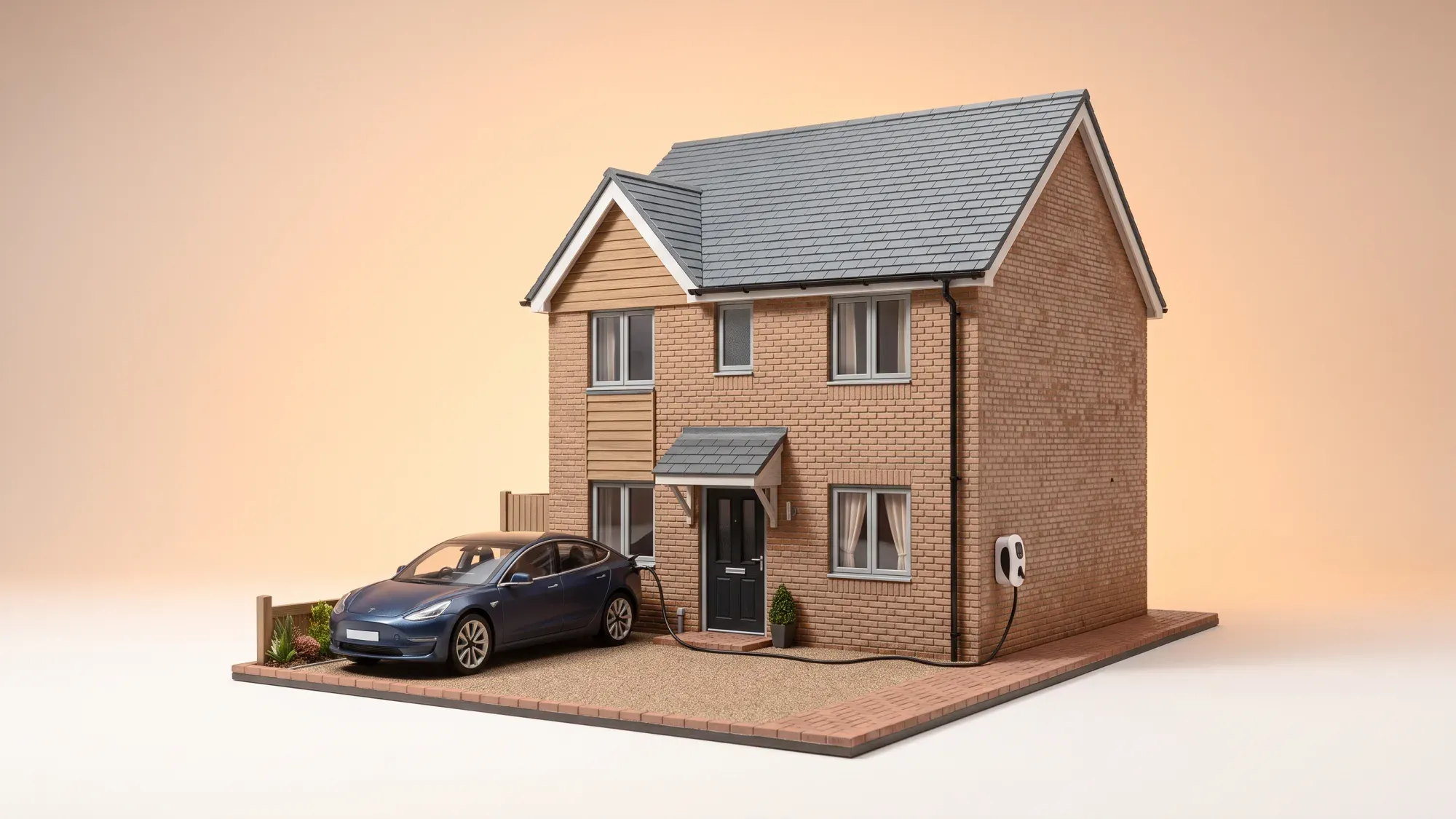
Household electricity bills could decrease if time-varying electricity prices were promoted in the UK, according to a recent report by the Institute for Fiscal Studies (IFS) and the London School of Economics (LSE)1. This study, part of the IFS Green Budget and funded by the Nuffield Foundation, highlights how current pricing structures often fail to reflect the true cost of electricity generation, which varies significantly by time and region.
Fuse Energy empowers UK homeowners to unlock greater energy freedom and savings by intelligently leveraging time-varying electricity prices, enabling customers to have more control, more flexibility, and more affordable energy. Click here to switch to Fuse Energy today.
Enter your address to get a quote and see how much you could save
What are time-varying electricity prices?
Time-varying electricity prices are tariffs that reflect the real-time cost of generating and delivering electricity. This cost fluctuates based on supply and demand, meaning prices can be lower when electricity is abundant and higher when it is scarce. Unlike traditional flat-rate tariffs, which charge a consistent price per unit regardless of the time of day, dynamic pricing models offer different rates for different periods.
Understanding dynamic pricing models
Dynamic pricing models introduce varying rates throughout the day, week, or even seasonally. This means the price you pay for electricity can change, encouraging you to use energy when it is cheaper. These models are designed to align consumer behaviour with the availability of electricity, particularly from renewable sources.
How they differ from standard energy tariffs
Standard energy tariffs typically offer a single, fixed unit rate for electricity, or sometimes two rates (day and night) that remain constant. Time-varying tariffs, however, can have multiple price periods, with rates shifting to reflect the actual wholesale cost of electricity. This allows for greater potential savings if you can adjust your consumption to off-peak times. For instance, dual-rate variable tariffs offer distinct peak and off-peak rates, which can change quarterly. These tariffs require either a smart meter or a multi-register (dual-rate) dumb meter to function effectively.
The UK energy landscape and the case for change
The UK's electricity production costs vary "a lot" over time and place. For example, abundant wind power in Scotland can lead to periods where electricity is "effectively free". Conversely, expensive gas generators are often needed to boost supply in other regions, particularly in southern England. Most consumers do not currently face prices that reflect these significant differences.
Key findings from the IFS and LSE report
The IFS and LSE report suggests that promoting time-varying electricity prices could lower household bills. It proposes making these tariffs the default and offering targeted subsidies for electric heat pumps and solar panels. This approach would incentivise consumers to use electricity during cheaper periods, reducing overall demand during expensive peak times.
"Encouraging greater take-up of time-varying electricity prices could lower electricity bills for consumers with minimal cost to the Government. The extent of savings would depend on how enthusiastically consumers adopted time-varying contracts and then adjusted when they consumed electricity." — Bobbie Upton, Research Economist at the IFS
Impact on household bills and the cost-of-living crisis
Improving the efficiency of the UK's electricity system is crucial for easing cost-of-living pressures. By encouraging consumers to shift their energy use, time-varying prices can help balance the grid more efficiently, potentially leading to lower overall costs. This is particularly important for vulnerable households.
"Electricity prices matter for all households, but they are particularly important for those on low incomes. Energy bills account for a much higher proportion of spending among poorer households, and uncertainty about possible future price rises creates anxiety within families already operating with very little financial headroom." — Mark Franks, Director of Welfare at the Nuffield Foundation
How smart meters enable time-varying tariffs
Smart meters are fundamental to unlocking the benefits of time-varying electricity prices. These devices record energy consumption more frequently than traditional meters, often sending readings automatically to your supplier. This real-time data is essential for accurate billing on dynamic tariffs and for helping you understand your usage patterns.
The essential role of smart technology for dynamic pricing
Smart meters allow suppliers to implement tariffs with varying rates throughout the day, as they can precisely measure when electricity is consumed. Without a smart meter, it would be impossible to accurately track usage during different price periods, making dynamic tariffs unworkable. They provide the granular data needed to make informed decisions about when to use energy.
Accessing dual-rate variable tariffs with a smart meter
To take advantage of dual-rate variable tariffs, a smart meter or a multi-register (dual-rate) dumb meter is typically required. These tariffs offer different rates for peak and off-peak periods, allowing you to benefit from cheaper electricity during quieter times on the grid. If you do not have a smart meter, your current supplier can usually arrange a free upgrade. Fuse offers dual-rate variable tariffs designed to help customers benefit from time-varying electricity prices, provided they have a compatible smart or multi-register meter.
Monitoring your energy usage for optimal savings
With a smart meter and a compatible app, you can monitor your energy usage in near real-time. This visibility is key to understanding how your household consumes electricity and identifying opportunities to shift high-usage activities to cheaper, off-peak periods. Fuse's smart meter integration and app provide the tools for customers to easily monitor their energy usage and make informed decisions to maximise savings on time-varying tariffs.
Maximising savings with time-varying prices
The average UK home uses around 2,500 kWh of electricity per year. By understanding your household's consumption and aligning it with cheaper electricity periods, you can significantly reduce your bills. The key is to intelligently shift when you use energy, rather than simply using less.
Shifting high-usage activities: electric vehicles and appliances
One of the most effective ways to save with time-varying prices is to schedule high-energy activities for off-peak hours. This includes charging electric vehicles, running washing machines, tumble dryers, and dishwashers. Many modern appliances come with delay timers, making this shift straightforward. For example, charging an electric vehicle overnight when electricity is cheaper can lead to substantial savings.
Practical tips for optimising off-peak energy use
- Schedule appliances: Use timers on your washing machine, dishwasher, and tumble dryer to run them during off-peak hours.
- Charge electric vehicles: Plug in your EV overnight to take advantage of lower electricity rates.
- Pre-heat or pre-cool: If you have electric heating or cooling, consider adjusting your thermostat to pre-heat or pre-cool your home during cheaper periods.
- Utilise smart home devices: Smart plugs and other smart home technology can help automate the scheduling of various appliances.
- Understand your tariff: Familiarise yourself with the specific peak and off-peak times of your chosen dual-rate variable tariff.
Understanding your household's energy consumption patterns
Regularly reviewing your energy usage data, often available through your supplier's app or online portal, can help you identify your household's unique consumption patterns. This insight allows you to make more strategic decisions about when to use energy, further optimising your savings.
The future of UK electricity pricing and policy
The UK government's Net Zero Strategy includes initiatives to decarbonise the energy system and promote smart energy solutions. Time-varying electricity prices are a crucial component of this strategy, as they encourage more efficient use of renewable energy and help manage demand on the grid.
Government recommendations and grid efficiency improvements
The IFS and LSE report suggests making time-varying tariffs the default and offering targeted subsidies for electric heat pumps and solar panels to further encourage efficient energy use. Improving the UK's electricity system efficiency is also recommended to ease cost-of-living pressures. Ofgem, the UK's energy regulator, plays a key role in ensuring fair practices and consumer protection within this evolving market.
Empowering consumers with greater energy choice and control
The shift towards time-varying prices empowers consumers by giving them more control over their energy bills. By actively managing their consumption, homeowners can leverage periods of abundant, cheaper energy. This aligns with Fuse's vision of a future with more power to play with, transforming energy from a constraint into an opportunity for greater control and flexibility.
The broader role of time-varying prices in decarbonisation
Time-varying prices are integral to the UK's energy decarbonisation efforts. By encouraging consumption during periods of high renewable generation, they help integrate more wind and solar power into the grid. This reduces reliance on fossil fuel generators and supports the transition to a cleaner, more sustainable energy system. The Radio Teleswitch Service (RTS), which supports legacy multi-rate meters, is being phased out starting 30 June 2025, requiring affected customers to upgrade to smart meters to continue benefiting from multi-rate tariffs. This transition further paves the way for widespread adoption of smart, time-varying energy solutions.
Take the stress out of managing your energy. With Fuse Energy, you get clear pricing, real-time usage data, 24/7 human customer support, and a modern energy experience designed around you. Signing up takes just a few minutes, so you can take control of your bills from day one. Click here to switch to Fuse Energy today and start saving.
Managing your energy bills should be clear and easy to understand. Fuse Energy focuses on straightforward pricing, so you can see exactly what you're paying without unnecessary complexity. If you have a smart meter, you can view detailed usage data through the app or website, helping you understand how you can lower your bills. If you don't have a smart meter, Fuse Energy can upgrade your non-smart meter, completely for free. This can make it easier to track spending and make informed decisions about your energy use. Our 24/7 human support team is always on hand with fast response times of under 5 minutes whenever you need help. Click here to switch to Fuse Energy today. Find out about our mission by clicking here.
References
Disclaimer
For the avoidance of doubt, this article is provided for informational purposes only and is not intended to constitute legal or financial advice. The author and/or Fuse Energy shall not be responsible for any losses arising out of any reliance on the information contained herein.