Solar panels and heat pumps: how they cut annual energy bills despite seasonal mismatch
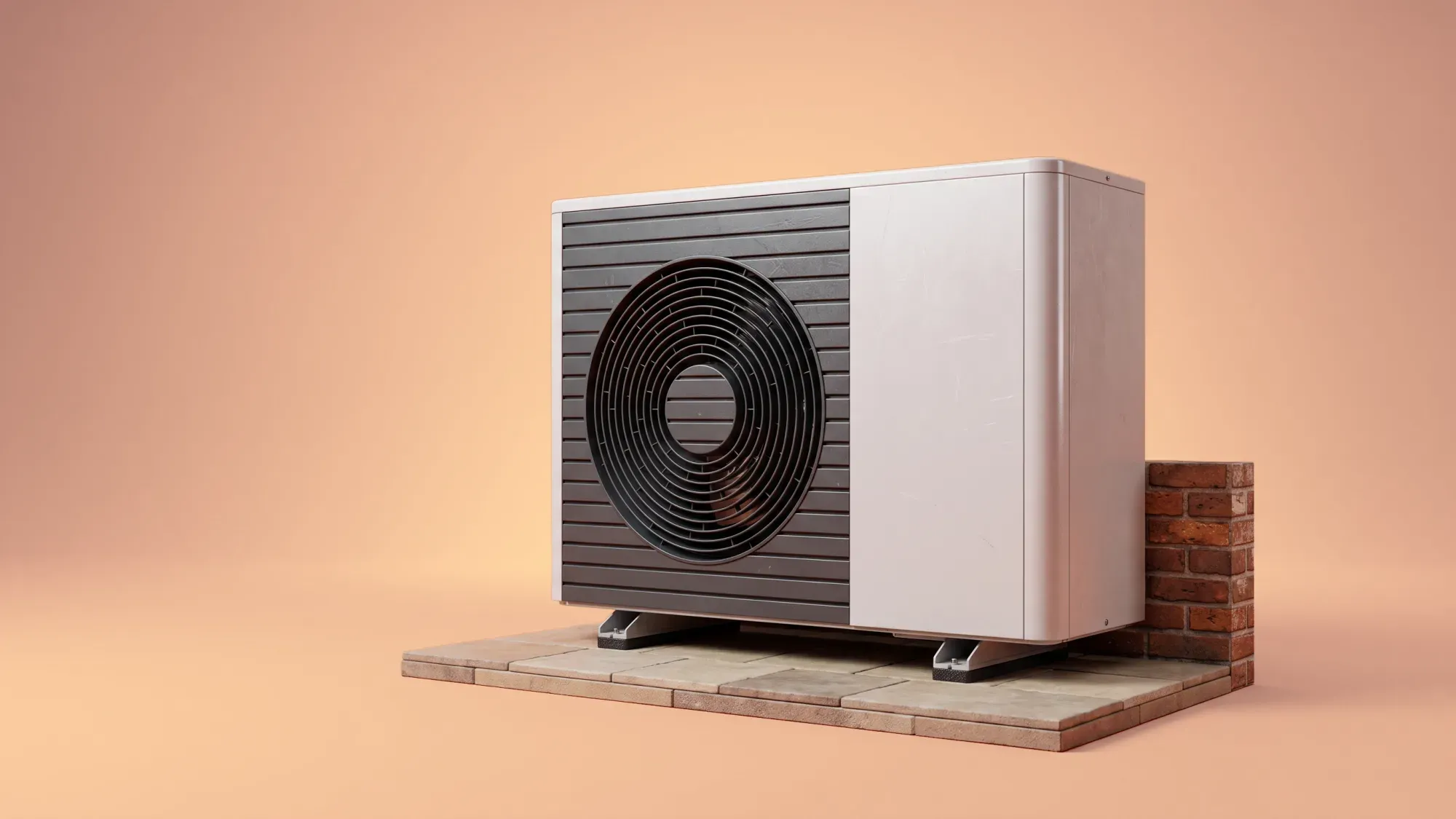
Integrating solar panels with a heat pump is a powerful move for UK homeowners looking to cut energy bills and reduce their carbon footprint. While these technologies complement each other for long-term savings, understanding their synergy and managing seasonal variations is key to maximising benefits. This combination offers a significant step towards greater energy independence and a more sustainable home.
Understanding solar panels and heat pumps together
Combining solar photovoltaic (PV) panels with a heat pump creates a robust system that can substantially lower your household's reliance on grid electricity for heating. This integrated approach leverages renewable energy sources to power one of your home's most significant energy consumers.
How the technologies complement each other
Solar panels generate electricity from sunlight, while heat pumps use electricity to extract heat from the air or ground and transfer it into your home. When paired, the electricity generated by your solar panels can directly offset the power consumed by your heat pump, reducing the amount you need to import from the grid. This creates a more self-sufficient energy ecosystem within your property.
The role of solar PV in powering a heat pump
Solar PV systems generate electricity during daylight hours. This electricity can be used in real-time by your heat pump for space heating or hot water production. While solar panels will not power a heat pump through a cold winter night, they can significantly contribute to its overall annual electricity demand. The Energy Saving Trust notes that the average UK domestic solar array is around 3.5 kWp, and over a full year, a system of this size should generate enough electricity to meet the annual requirements of a heat pump in a typical home.
Benefits of an integrated renewable heating solution
An integrated solar panel and heat pump system offers multiple advantages. It reduces your household's overall electricity costs, lessens your dependence on fluctuating energy prices, and significantly lowers your carbon emissions. This combination also enhances your home's energy efficiency, potentially improving its Energy Performance Certificate (EPC) rating. Ultimately, it provides greater control over your home's energy consumption and contributes to a more sustainable lifestyle.
Navigating the seasonal mismatch in the UK
One of the primary considerations for an integrated solar and heat pump system in the UK is the seasonal mismatch between solar generation and heating demand. However, with smart strategies, this challenge can be effectively managed.
Solar generation vs heat pump demand throughout the year
Solar panels generate the most electricity during the long, sunny days of summer, when heating demand is at its lowest, primarily limited to hot water production. Conversely, heat pumps work hardest during the colder, darker winter months when solar generation is at its lowest. Phil Steele, Future Technologies Evangelist at Octopus Energy, highlights this reality:
"The alignment isn’t perfect. In the summer, your solar is really only supplying your heat pump for hot water production, and in the winter you’re drawing from the grid for your heating and hot water."1 — Phil Steele, Future Technologies Evangelist at Octopus Energy
This means that while solar panels can cover a good portion of your heat pump's electricity needs for hot water in summer, you will inevitably draw more electricity from the grid for heating during winter.
The importance of battery storage for year-round efficiency
Battery storage is crucial for bridging some of this seasonal gap and maximising the self-consumption of your solar energy. A home battery stores surplus electricity generated by your solar panels during the day, allowing you to use it later when the sun is not shining, such as in the evening or during periods of higher heat pump demand. This reduces your reliance on grid electricity, especially during peak times when prices are higher. While batteries cannot store summer surplus for winter heating, they are invaluable for daily optimisation. Government-commissioned modelling showed that adding a 7kWh battery to a solar system further reduced modelled annual household electricity costs from £931 to £737.
Strategies for optimising energy use in winter
To make the most of your integrated system during winter, consider these strategies:
- Optimise heat pump settings: Run your heat pump at a lower, consistent temperature rather than in short bursts. This allows it to operate more efficiently.
- Improve home insulation: Ensuring your home is well-insulated reduces overall heat demand, making your heat pump more effective and less reliant on constant power.
- Time-of-use tariffs: Utilise smart energy tariffs that offer cheaper electricity during off-peak hours. You can program your heat pump or charge your battery during these periods to minimise costs.
Realising savings and reducing your carbon footprint
Integrating solar panels and a heat pump is a strategic investment that delivers tangible financial and environmental benefits, empowering you to take control of your home's energy future.
Projected electricity cost reduction with solar and heat pumps
The financial benefits of combining solar PV with a heat pump can be substantial. A government-commissioned report modelled annual household electricity costs for an 84m² semi-detached house at £1,622 without solar. This dropped to £931 with solar panels installed, a difference of £691. These figures demonstrate the significant savings achievable through such an integrated system.
Impact on your home's energy efficiency and EPC rating
Upgrading to solar panels and a heat pump dramatically improves your home's energy efficiency. Heat pumps are highly efficient, producing several units of heat for every unit of electricity consumed. Solar panels generate clean electricity, reducing your reliance on grid power. These improvements are reflected in a better EPC rating, which can increase your property's value.
Contributing to energy independence and carbon footprint reduction
By generating your own electricity and using an efficient low-carbon heating system, you reduce your household's carbon footprint and contribute to the UK's net-zero targets. This shift also moves you towards greater energy independence, lessening your exposure to volatile energy markets and giving you more control over your energy supply.
Costs, grants, and return on investment
While the initial outlay for an integrated system can be significant, various grants and incentives in the UK can help make it more affordable, leading to a strong return on investment over time.
Average installation costs for solar PV and heat pump systems
The cost of installing a solar PV system in the UK typically ranges from £5,000 to £10,000, depending on the system size. Adding battery storage usually costs an additional £3,000 to £8,000. For air source heat pumps, installation costs generally fall between £7,000 and £15,000. These figures can vary based on property specifics, installer, and system complexity.
Government grants and incentives for UK homeowners
Several government schemes are available to help homeowners with the upfront costs:
- Boiler Upgrade Scheme (BUS): Offers grants of £7,500 towards the cost of installing an air source or ground source heat pump. For homes replacing oil or LPG heating, this grant can be £9,000.
- 0% VAT: The Value Added Tax (VAT) on the installation of energy-Saving materials, including solar panels, batteries, and heat pumps, is currently 0% until March 2027.
- Smart Export Guarantee (SEG): This scheme ensures that energy suppliers pay homeowners for any surplus electricity they export back to the grid from their solar panels.
Calculating your potential energy bill savings and payback period
To calculate your potential savings, you will need to consider your current energy consumption, the size and efficiency of your new system, and the local electricity tariffs. The average UK home uses around 2,500 kWh of electricity per year. With an integrated system, you can significantly reduce the amount of electricity you purchase from the grid. The payback period, which is the time it takes for your energy savings to offset the initial investment, varies but can be shortened by leveraging grants and optimising your energy usage.
Optimising your integrated home energy system
Maximising the benefits of your solar panel and heat pump setup involves smart energy management and careful system sizing.
Leveraging smart energy tariffs and energy consumption monitoring
Smart energy tariffs, often called time-of-use tariffs, charge different rates for electricity at different times of the day. By shifting high-demand activities, like charging your battery or running your heat pump, to off-peak hours when electricity is cheaper, you can significantly reduce your running costs. Monitoring your energy consumption through smart meters and dedicated apps helps you understand your usage patterns and identify further opportunities for savings.
The role of smart home technology and energy management systems
Smart home technology and energy management systems can automate and optimise your integrated setup. These systems can intelligently control when your heat pump operates, when your battery charges or discharges, and when other appliances run, all based on your solar generation, grid prices, and household demand. This level of automation ensures your system is always running at peak efficiency, without constant manual intervention.
Sizing your solar and battery system for maximum benefit
Properly sizing your solar PV array and battery storage is crucial. An installer will assess your home's energy consumption, roof space, and heating demand to recommend the optimal system size. The goal is to generate enough electricity to cover a significant portion of your annual demand, especially for your heat pump, while ensuring your battery can store sufficient surplus for evening use. Over-sizing can lead to unnecessary costs, while under-sizing may not deliver the desired savings.
Is a solar panel heat pump system right for your home?
Deciding whether an integrated solar panel and heat pump system is suitable for your property requires careful assessment of various factors.
Assessing your property's suitability and energy needs
Consider your home's energy efficiency, particularly its insulation levels, as this directly impacts heat pump performance. Evaluate your roof's suitability for solar panels (orientation, shading, structural integrity). An energy audit can provide a clear picture of your current energy consumption and help determine the appropriate system size for your needs.
Key considerations before installation
Before committing to installation, obtain detailed quotes from several reputable installers. Ensure they are MCS (Microgeneration Certification Scheme) certified, which is often a requirement for accessing government grants. Discuss system design, expected performance, maintenance requirements, and warranty details. Also, consider any potential planning permissions that might be needed, although many domestic solar and heat pump installations fall under permitted development rights.
Taking the next steps towards a sustainable home
If an integrated solar panel and heat pump system aligns with your goals, the next step is to engage with experts. Fuse Energy empowers homeowners to take control of their energy future by offering tools and insights to manage consumption and generation. With 24/7 human customer support, Fuse can assist you in navigating the complexities of your energy supply, helping you make informed decisions about your property's energy use.
References
- The Independent. Using solar panels with your heat pump can reduce bills - here’s how
Disclaimer
For the avoidance of doubt, this article is provided for informational purposes only and is not intended to constitute legal or financial advice. The author and/or Fuse Energy shall not be responsible for any losses arising out of any reliance on the information contained herein.