Smart, standard or fixed? The new era of energy tariffs, explained
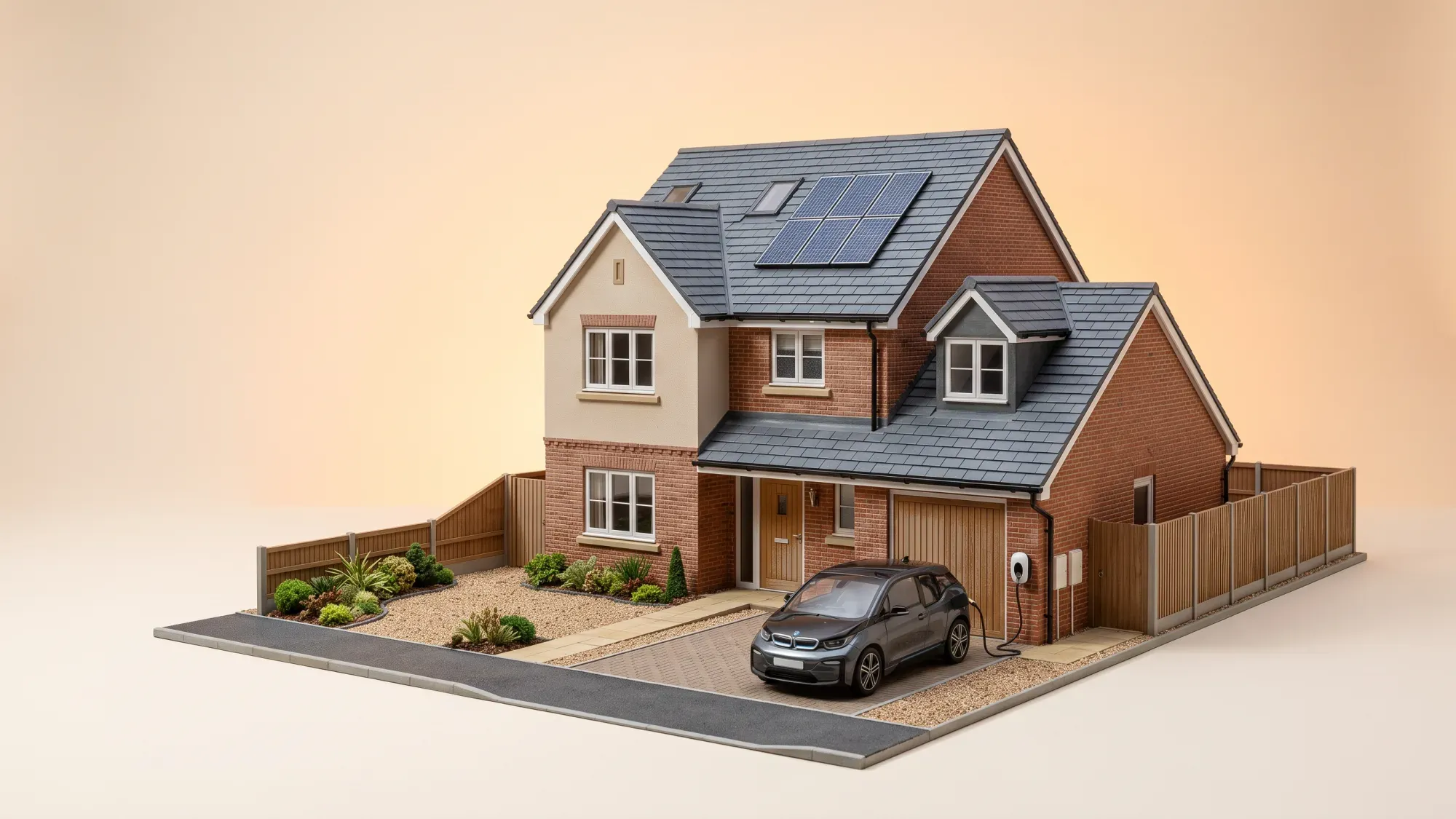
Smart energy tariffs offer UK homeowners a powerful way to reduce energy bills by aligning consumption with cheaper, off-peak rates.1 This new era of energy pricing moves beyond traditional fixed and standard variable options, leveraging smart meters and home technology to provide greater control and potential savings. As Phil Steele, future technologies evangelist at Octopus Energy, states, "finding the right tariff is going to make a huge difference and should save you money".
Smart energy tariffs are designed to help you make the most of your home's energy. Fuse Energy's dual-rate variable tariffs are designed to provide off-peak savings across your entire household usage, helping you take control of your energy costs.
Explore smarter energy for your home. With Fuse Energy, you get clear pricing, real-time usage data, 24/7 human customer support, and a modern energy experience designed around you. Signing up takes just a few minutes, so you can take control of your bills from day one. Click here to switch to Fuse Energy today and start saving.
Enter your address to get a quote and see how much you could save
Understanding the UK's energy tariff landscape
The UK energy market presents several tariff options, each with distinct characteristics that affect your energy costs. Understanding these differences is the first step towards optimising your household's energy expenditure.
Standard variable tariffs and the Ofgem Price Cap
Standard Variable Tariffs (SVTs) are the default option for many households, particularly if you haven't switched suppliers recently or have rolled off a fixed deal. These tariffs have rates that can fluctuate, typically changing quarterly in line with the energy regulator Ofgem's energy price cap. The price cap sets a maximum unit rate for electricity and gas, protecting consumers from excessive charges. While SVTs offer flexibility with no exit fees, they generally do not provide the cheapest rates available.
Fixed energy tariffs: price certainty
Fixed energy tariffs offer price certainty by locking in your unit rate for a set period, usually between 12 and 18 months. This means the price you pay per unit of energy remains constant, regardless of market fluctuations. Fixed tariffs can be a good option for those who prefer predictable bills and want to guard against potential price increases. However, they often come with exit fees if you decide to leave before the contract ends, and they don't allow you to benefit from falling energy prices.
Smart energy tariffs: dynamic pricing
Smart energy tariffs represent a significant shift in how energy is priced. Unlike fixed or standard variable options, smart tariffs offer variable electricity rates throughout the day. This dynamic pricing means that energy is cheaper during off-peak hours, typically overnight or during periods of high renewable generation, and more expensive during peak demand times. To access these tariffs, a smart meter is essential, as it enables automated readings and tracks your consumption in line with the changing rates.
How smart energy tariffs work
Smart tariffs empower you to take control of your energy usage by making informed decisions about when to consume electricity. This flexibility is key to unlocking significant savings on your energy bill.
The role of your smart meter
A smart meter is the cornerstone of smart energy tariffs. These devices automatically send your energy readings to your supplier, eliminating the need for manual submissions and enabling accurate, real-time billing. Crucially, smart meters facilitate time-of-use tariffs, where different rates apply at different times of the day. Eligibility for dual-rate variable tariffs depends on your meter's configuration, which can include smart meters or certain multi-register manual meters. The UK government is rolling out smart meters across the country, and legacy meters like those using the Radio Teleswitch Service (RTS) are being phased out, requiring replacement with smart meters.
What is a dual-rate variable tariff?
A dual-rate variable tariff offers different electricity prices for peak and off-peak hours, with rates that can change quarterly. It requires a meter with a compatible configuration to track usage accurately across these periods, allowing customers to save money by shifting consumption to cheaper, off-peak times.
Off-peak energy and time-of-use rates
The core principle of smart tariffs is leveraging off-peak energy. During these periods, often late at night or early morning, demand on the grid is lower, and renewable energy sources may be generating abundant electricity. Suppliers pass these savings on to you through lower unit rates. By shifting high-energy activities - such as charging an electric vehicle (EV), running washing machines, or heating water - to these cheaper times, you can significantly reduce your overall energy costs. For example, customers like Henriette, from Oxfordshire, noted, "Every night we use the super-low rate to charge our electric car, heat up the water tank, run the washing machine and recharge our home battery". She added, "In this way we can keep the use of expensive daytime electricity to a minimum. We can even sell some electricity to the grid during the evening peak".
Maximising savings through energy flexibility
Energy flexibility means adapting your consumption habits to align with the tariff's pricing structure. This doesn't necessarily mean using less energy overall, but rather using it smarter. For example, if you have a home battery, you can charge it during off-peak hours and discharge it during peak times, effectively storing cheap energy for later use. This strategic approach allows for a "having more" mentality, where abundant, cheaper energy can be used more freely during specific windows, rather than a constant focus on "using less".
Benefits of smart tariffs for modern homes
Smart tariffs are particularly beneficial for homes equipped with modern energy technologies, allowing these systems to operate most cost-effectively.
Electric vehicle charging
EV owners can see substantial savings with smart tariffs. Charging an EV battery, which can consume a significant amount of electricity, becomes far more economical when done during off-peak hours. Many smart tariffs are specifically designed with EV owners in mind, offering ultra-low rates overnight. This allows you to wake up to a fully charged car at a fraction of the cost of charging during the day.
Heat pumps and efficient heating
Heat pumps are highly efficient heating systems that can benefit greatly from smart tariffs. By programming your heat pump to run more intensively during off-peak periods, you can pre-heat your home or water tank when electricity is cheapest. This optimises the running costs of your heat pump, making it an even more attractive and sustainable heating solution.
Solar panels and home batteries
For homes with solar panels and home batteries, smart tariffs offer enhanced control and financial benefits. You can export surplus solar energy back to the grid during peak times when export rates are higher, or store it in your home battery to use during more expensive peak import periods. Additionally, you can charge your battery from the grid during off-peak hours, ensuring you always have access to the cheapest available electricity.
Home automation and energy saving habits
Home automation systems can be integrated with smart tariffs to automatically optimise your energy usage. Smart plugs, thermostats, and appliance timers can be programmed to switch on during off-peak windows, ensuring you're always consuming energy when it's cheapest. This automation makes adopting energy-saving habits effortless, allowing you to enjoy the benefits without constant manual adjustments.
Choosing the right smart tariff
Selecting the ideal smart tariff requires a clear understanding of your household's energy profile and a comparison of available options.
Assessing your energy needs
Start by evaluating your typical energy consumption patterns. Do you have an EV? A heat pump? Solar panels? How much electricity do you typically use, and when? The average UK home uses around 2,500 kWh of electricity per year. Understanding your usage will help you identify which smart tariff features will offer the most benefit. Consider your daily routines and how flexible you can be with shifting energy-intensive tasks.
Comparing available smart tariff options
The UK energy market offers a growing number of smart tariffs, each with different peak and off-peak windows, rates, and sometimes specific eligibility criteria. Compare these options carefully, looking beyond just the headline rates to understand the standing charges and any potential exit fees. Some tariffs might be better suited for EV owners, while others might favour homes with solar and batteries.
Making the switch to a smart tariff
Once you've chosen a smart tariff, making the switch is straightforward, provided you have a smart meter. Your new supplier will handle the transfer process. Fuse Energy's 24/7 human customer support can help demystify smart tariffs and make the transition seamless, ensuring you understand how to maximise your savings from day one.
Beyond savings: contributing to a greener grid
Smart energy tariffs do more than just save you money; they play a crucial role in building a more sustainable and resilient energy system for the UK.
Supporting renewable energy integration
By encouraging energy consumption during periods of high renewable generation (e.g., when the wind is blowing strongly or the sun is shining), smart tariffs help integrate more green energy into the National Grid. This reduces reliance on fossil fuels and supports the UK's transition to a cleaner energy future.
Grid stabilisation and energy flexibility services
Smart tariffs contribute to grid stabilisation by balancing supply and demand. When you shift your energy use to off-peak times, you help reduce strain on the grid during peak hours. Some advanced smart tariffs even offer incentives or payments for households that provide energy flexibility services, such as allowing their home battery or EV to be remotely controlled to support the grid during critical periods. Octopus Energy, for instance, offers bolt-ons like Charge Pack, which automatically charges and discharges home batteries when the grid needs support, paying households a minimum of £12amonth for participating.
The future of energy: abundance and control
The future of energy is moving towards abundance and greater control for consumers. Smart tariffs are at the forefront of this shift, enabling households to move away from a "use less" mentality to one where they have "power to play with". This means more freedom to use energy when it's cheapest and cleanest, fostering innovation and empowering individuals to make a tangible difference to their energy bills and the environment.
Getting started with smart energy tariffs
Ready to take control of your energy costs and contribute to a greener future? Explore smart energy tariffs today. Fuse Energy's dual-rate variable tariffs empower UK homeowners and renters to shift from a 'use less' mentality to 'having more' energy to play with, optimising usage for cost savings and greater control, particularly when integrating technologies like electric vehicles (EVs) and home batteries. Click here to switch to Fuse Energy today and discover how clear pricing, real-time usage data, and 24/7 human support can simplify your energy management. You can also find out more about our mission to make energy abundant by clicking here.
References
- The Guardian. Smart, fixed or standard energy tariffs explained
Disclaimer
For the avoidance of doubt, this article is provided for informational purposes only and is not intended to constitute legal or financial advice. The author and/or Fuse Energy shall not be responsible for any losses arising out of any reliance on the information contained herein.