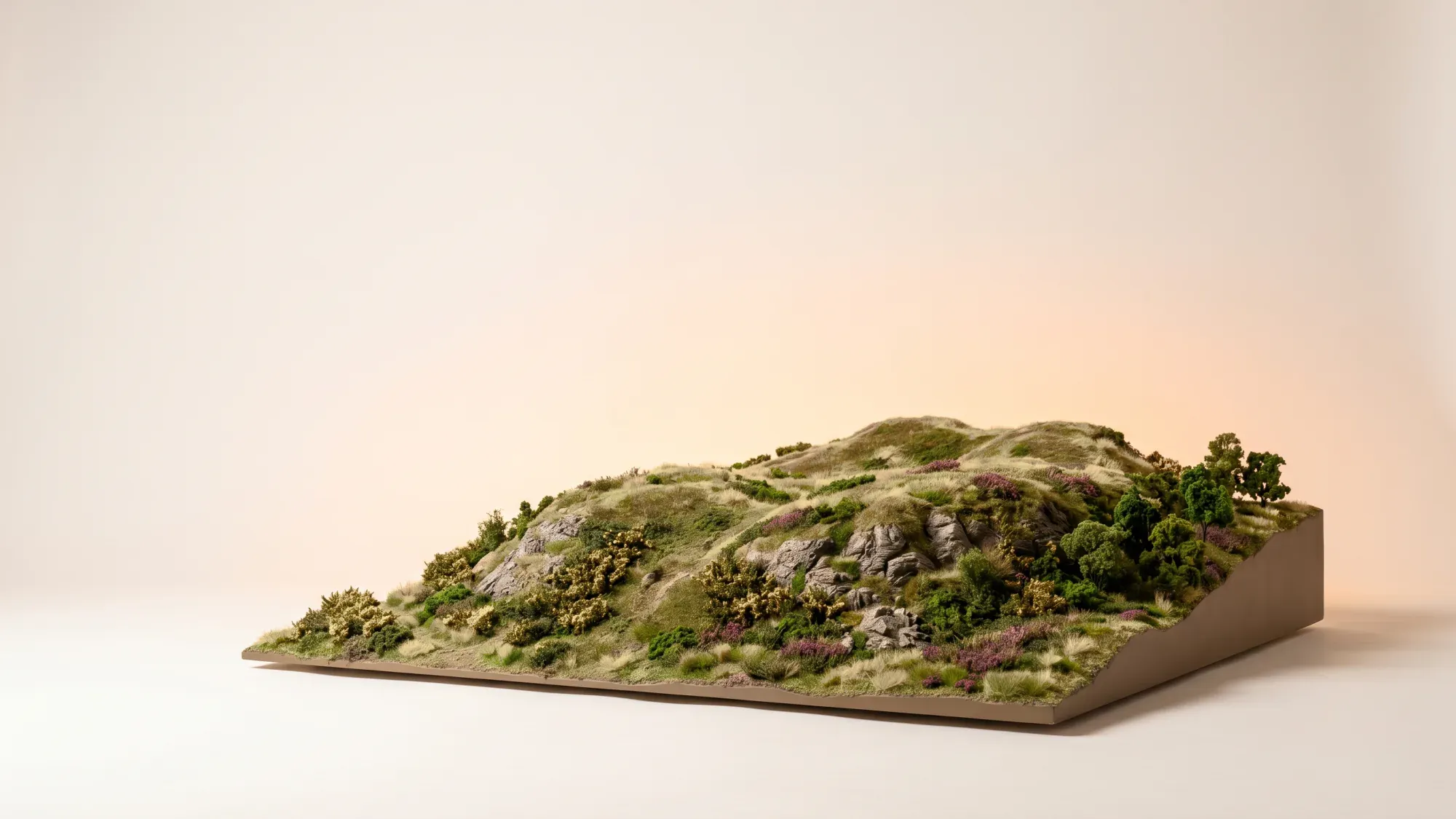
The Selkirk Nature Networks project, launched on 1 July at The Haining, aims to make the impacts of climate change more tangible for local residents, focusing on familiar landscapes such as Selkirk Hill and Deer Park1. This initiative helps people understand how environmental shifts affect their immediate surroundings and offers practical ways to get involved in local adaptation efforts.
Local initiatives like the Selkirk Nature Networks project highlight the importance of understanding and adapting to environmental changes. Fuse Energy is committed to providing clean, abundant energy, empowering homes to contribute to a more sustainable future. Click here to switch to Fuse Energy today.
Launch and objectives at the Haining
The Selkirk Nature Networks project officially started at The Haining on 1 July, with the goal of bringing the effects of climate change closer to home for local residents. By focusing on familiar local landscapes like Selkirk Hill and Deer Park, the project helps people connect with the issue on a personal level, fostering a greater understanding of its urgency and relevance.
Funding local climate Engagement
This local initiative receives backing from the Scottish Government Climate Engagement Fund. This support enables the project to run various activities aimed at educating and empowering the community to address the specific climate challenges faced by the Selkirk area.
The project's goal is to deal with the tangible local effects of climate change, demonstrating how these broader issues manifest directly in the Selkirk landscape.
Fluctuating pond levels and dry hillsides
One key local effect the project addresses is fluctuating pond water levels. Changes in rainfall patterns and temperatures can lead to unpredictable water availability, impacting local ecosystems. The project also tackles the issue of fire-prone dry hillsides, a direct consequence of warmer, drier conditions that increase the risk of wildfires in areas like Selkirk Hill.
Increased rainfall and compacted ground
The initiative also confronts the impact of increased rainfall running off compacted ground. This can lead to erosion, flooding, and damage to local infrastructure and habitats. By focusing on these specific, observable problems, the Selkirk Nature Networks project provides concrete examples of climate change at work and offers practical methods for mitigation.
A core component of the Selkirk Nature Networks project is its emphasis on community involvement, particularly engaging young people and fostering citizen science.
Free summer sessions for young people
The project will be running a free summer programme of practical nature sessions on Selkirk Hill, beginning on 29 July, specifically for 11-15 year olds. These sessions offer hands-on experience in conservation, teaching young people about their local environment and the importance of protecting it.
Citizen science and conservation walks
Beyond youth activities, the project includes citizen science training and conservation walks for the wider community. These activities empower local residents to contribute directly to environmental monitoring and data collection, making them active participants in understanding and adapting to climate change.
The success of the Selkirk Nature Networks project relies on the collaborative efforts of several dedicated organisations.
Key organisations involved
The project is a joint effort run by The Selkirk Hill Group, Bright Green Nature, and the Scottish Borders Climate Action Network. This collaboration brings together local expertise, community passion, and broader environmental advocacy to drive effective climate action in the region.
Building climate resilience in the Scottish Borders
By addressing specific local impacts and empowering community members, the Selkirk Nature Networks project is actively building climate resilience in the Scottish Borders. It demonstrates that local, community-led initiatives are crucial for effective climate adaptation strategies, turning global challenges into manageable local actions.
Fuse Energy believes in empowering individuals and communities to shape a more sustainable future. Just as the Selkirk Nature Networks project helps residents take control of their local environment, Fuse aims to provide abundant, clean energy, giving every home the "power to play with" - the freedom to build, create, and thrive without the constant worry of energy scarcity. We champion initiatives that demonstrate proactive solutions and enhance local natural assets. Discover how Fuse is building a future with power to play with by clicking here, or switch to Fuse Energy today by clicking here.